Smart Rings Are Replacing Smartwatches for Health Tracking, Here’s Why Consumers Are Making the Switch
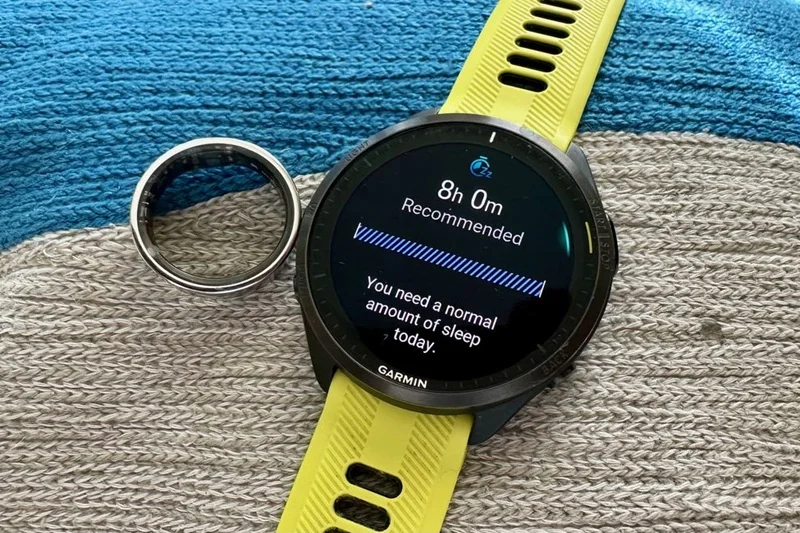
For a very long time, the dominant form of wearable tech available was the smartwatch. It was able to count steps, monitor fitness levels, show notifications, and become almost a daily necessity for millions of people. However, there now seems to be a much smaller piece of tech coming to prominence, smart rings. With their small size, minimal weight, and incredible potential, smart rings appear to be the future of wearable health technology. In addition, unlike smartwatches, they emphasize monitoring rather than constant interaction, something which some users appreciate. The rise of smart rings is just one example of an ongoing trend: technology users seek smarter insight into their wellbeing, but at the same time don’t want to be bothered with additional screens.
Why Everyone Is Wearing Smart Rings Now
The allure of smart rings extends far beyond their good looks: these compact devices include sensors that are able to monitor heart rate, blood oxygen saturation (SpO2), physical activity, sleep, and heart-rate variability (HRV). One of the most valuable features of rings, however, is related to location. The fact that fingers are less mobile than wrists and feature better blood circulation allows rings to detect better signals overnight. This particular issue seems to have caught the attention of industry analysts, too. In the past year, many popular wearable companies started launching smart rings to meet consumer demand.
A Wearable Device That Is Not a Device at All
The primary reason behind consumer interest in smart rings is comfort. Smartwatches, for instance, are heavy and keep buzzing with notifications, while rings are discreet in operation. There’s no bright display competing for attention and no pressure to stay digitally connected every second of the day. For many users, that’s exactly the point. Smart rings are designed to blend naturally into everyday life. Moreover, they can be worn during nighttime hours, while playing sports, or at work. Such combinations of functions make it easy to wear them together with classic wrist watches and other jewelry accessories.
What Smart Rings Are Better at Than Smartwatches
Smart rings excel at passive monitoring and measuring of key health factors. The majority of models concentrate on: Sleep quality and different phases of sleep, resting heart rate, Levels of recovery, and stress Heart rate variability (HRV), Oxygen saturation during nighttime, and physical activity statistics. This data is especially important for individuals interested in improving recovery processes, managing stress, and adopting healthy habits. Nonetheless, watches still perform better in some areas. They are irreplaceable for fitness junkies, depending on GPS monitoring, workout guidance, controlling music, or interacting with the display. Many people now consider using rings alongside watches – they monitor their health while wearing rings and do sport wearing watches.
The Smart Ring Market Is Taking Off
A product that was once thought to belong only to a small market niche is rapidly moving towards the mainstream. From various technology shows and wearable devices reports, it’s evident that the time of significant growth is approaching for smart rings. There have been substantial investments made by businesses in the enhancement of sensors, batteries, and AI health services in response to competition. Another reason behind these developments is that celebrities have adopted smart rings. Optimizing sleep, reducing stress, and monitoring one’s health for preventive care are no longer the domain of specialists but have become major concerns for today’s consumers. This change provides many opportunities for wearable technology brands.
Why Does It Matter Beyond Consumer Electronics?
The consumer is being increasingly selective about integrating technology into their lives. Rather than a device that requires constant engagement, there is a preference for an instrument that works silently in the background, yet delivers relevant information.
This is where smart rings find their perfect place.
There is also rising interest shown by employers and health programs looking for ways to incorporate wearable data for preventive care programs. Since rings are less invasive than wrist-worn instruments, they may find greater acceptance among consumers. Finally, issues of privacy cannot be ignored anymore. With more personal and sensitive health information being stored in wearables, issues regarding data ownership, sharing, and data security will have to be considered in the future.
What’s next for Smart Rings?
The next wave of smart rings should focus on the following: Development of better algorithms capable of turning biometric data into valuable information about one’s health Improvement of integration options with health applications, coaching platforms, and the entire ecosystem of healthcare providers, Production of cheaper wearables, making health tracking available to more users, There will be increased regulatory requirements regarding the accuracy of clinical validation of some features and data management practices of companies offering such products to their customers.
Trending Stories You Shouldn’t Miss
Check Outlook Lite Shutdown Details
Explore how Microsoft users can save emails and switch apps before Outlook Lite officially shuts down.
Explore Better Sleep Tech Upgrades
Discover simple sleep tech upgrades that can actually improve your rest without relying on smartwatches.
Discover 007 First Light Access
Check release timings, pre-load options, and early access details for the much-awaited 007 First Light launch.
Explore Oppo Pad 6 Features
Discover how Oppo Pad 6 is bringing flagship power and massive battery life to the premium tablet market.
Check UK Heatwave Travel Warnings
Explore how the UK bank holiday heatwave is causing rail delays, road closures, and water safety concerns.
Should You Buy a Smart Ring?
For those who consider sleep monitoring and recovery tracking to be priorities, and don’t need a highly interactive wearable, a ring could become an appealing solution. Of course, there still isn’t any competition for smartwatches when it comes to comprehensive monitoring and interactivity, at least not yet. However, for people who want discreet and unobtrusive health tracking, smart rings have come to stay. In some way, these wearables represent the future of wearables: smaller, smarter, and even more convenient.
FAQs
Q: Are smart rings more accurate than smartwatches in measuring health metrics?
A: Smart rings are more accurate in measuring passive metrics such as heart rate and sleep stages because of finger placement, yet they lag in GPS and active training metrics compared to smartwatches.
Q: Can a smart ring take the place of a smartwatch?
A: No. They can be used side by side because rings collect more accurate health metrics data, while watches are more advanced in display options and applications. Lots of users use them together.
Q: Are smart rings medical devices?
A: Most of the rings cannot be regarded as medical tools and rather fall into the category of consumer electronics, which means they shouldn’t be considered reliable diagnostic tools.
Q: How long can my device be used?
A: There is no set time frame because everything depends on the particular model. However, as rings lack screens, their battery lasts for a week per charge.
Q: Are my data safe from being hacked?
A: It may depend on what company manufactured the ring and how securely the data is stored. There is a need to find out about any database storing and transferring procedures.