WHO and UNICEF data show 25 million children missed vaccines in 2021
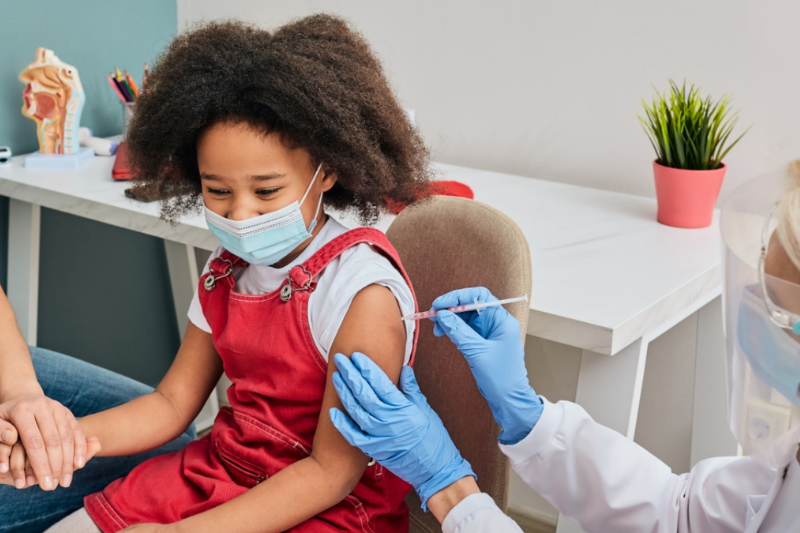
According to data released by the World Health Organization and UNICEF on Thursday, vaccine coverage continues to fall worldwide in 2021, with 25 million children losing out on vital vaccines.
According to a press release, “the largest sustained decline in childhood vaccinations in approximately 30 years has been recorded.”
The percentage of children who received three doses of the DTP3 vaccine, which protects against diphtheria, tetanus, and pertussis, decreased by five percentage points between 2019 and 2021. As a result, just 81% of the population was covered.
UNICEF and WHO say DTP3 coverage is an indicator of broader vaccination coverage.
“As a result, 25 million children missed out on one or more doses of DTP through routine immunization services in 2021 alone. This is 2 million more than those who missed out in 2020 and 6 million more than in 2019, highlighting the growing number of children at risk from devastating but preventable diseases,” they stated. Around 18 million of these youngsters did not receive a single dose of the vaccine, and the majority of them resided in low- and middle-income nations.
Over a quarter of the coverage attained in 2019 for HPV and measles was lost in 2021, respectively, and the first-dose coverage for measles plummeted to 81 percent. An estimated 24.7 million youngsters will not receive their first dose of vaccine in 2021 because of this low level, according to the WHO.
Related Posts
All regions had a decrease in vaccine coverage, with the East Asia and Pacific regions seeing the most significant decrease in DTP3 range. However, Uganda and Pakistan were able to stave off further reductions.
Increased numbers of children living in conflict zones and other unstable areas, as well as increased disinformation and Covid-19-related concerns, all contributed to the declines.
“This is a red alert for child health. We are witnessing the largest sustained drop in childhood immunization in a generation. The consequences will be measured in lives,” UNICEF Executive Director Catherine Russell said. “While a pandemic hangover was expected last year as a result of COVID-19 disruptions and lockdowns, what we are seeing now is a continued decline. COVID-19 is not an excuse. We need immunization catch-ups for the missing millions, or we will inevitably witness more outbreaks, more sick children, and greater pressure on already strained health systems.”
Tedros Adhanom Ghebreyesus, the Director-General of the World Health Organization, stated that “Planning and tackling COVID-19 should also go hand-in-hand with vaccinating for killer diseases like measles, pneumonia, and diarrhea. It’s not a question of either/or. It’s possible to do both.”
Countries and other organizations are asked by members of the global Immunization Agenda 2030, an effort to maximize the lifesaving impact of vaccines to help address the decline in vaccination by intensifying efforts to catch up, implementing evidence-based, tailored strategies to build trust, and prioritizing strengthening health information and disease surveillance systems.