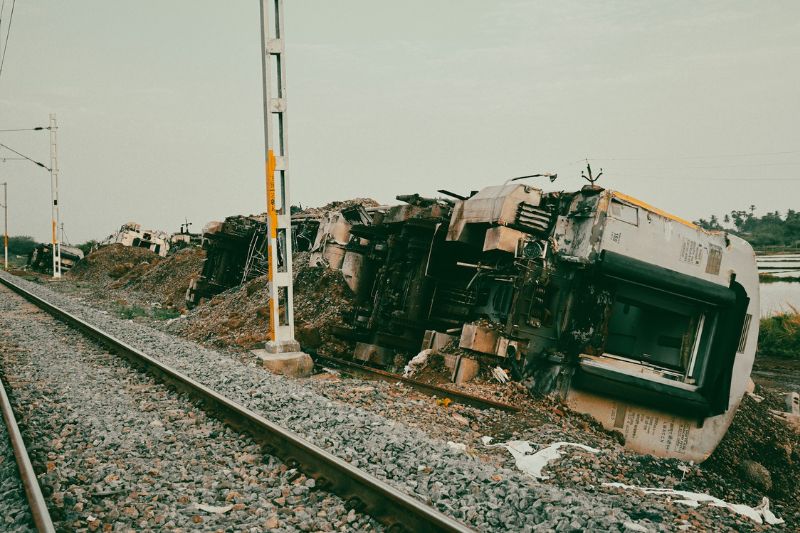
Indonesia Train Disaster Update: 14 Dead After Train Wreck in Bekasi Region of Indonesia
A tragic turn from what was expected to be a normal commuter trip ended in tragedy in Indonesia when a train crash resulted in 14 fatalities.The tragedy, unfolding just outside the capital, has once again raised urgent questions about rail safety in one of Southeast Asia’s busiest transport networks.
A Sudden Impact at Bekasi Timur
The crash occurred late Monday night, around 8:50 p.m., at Bekasi Timur station, roughly 25 kilometers east of Jakarta. According to early reports, a commuter train on the Jakarta–Bekasi line had come to a halt after a taxi became entangled with it at a nearby level crossing. Moments later, the long-distance Argo Bromo Anggrek train, traveling from Jakarta toward Surabaya, slammed into the stationary train from behind. The impact was catastrophic. Several carriages were crushed, with the women-only coach bearing the brunt of the collision. Twisted metal and shattered windows trapped passengers inside, turning the train into a confined disaster zone within seconds.
Rising Toll and Dozens Injured
By Tuesday morning, officials confirmed that 14 people had died, all believed to be passengers from the commuter train. At least 84 others were injured, some critically. Victims have been rushed to nearby medical facilities, including RSUD Bekasi and Kramat Jati Police Hospital, where doctors are continuing emergency treatment. Survivors described the moment as sudden and overwhelming. Sausan Sarifah, a 29-year-old passenger, recalled waking up in pain with a broken arm and deep cuts. “It happened so fast… I thought that was it,” she said quietly from her hospital bed.
Rescue Teams Race Against Time
Emergency crews worked through the night in extremely difficult conditions. Firefighters, military personnel, and rescue teams used cutting tools to reach those trapped inside the wreckage. Witnesses spoke of chaos, people calling for help, others struggling to breathe in cramped spaces. At least two passengers remained trapped overnight but were reported alive as rescuers continued their efforts into Tuesday morning. In a rare piece of relief, passengers aboard the Argo Bromo Anggrek train—around 240 in total—escaped without serious injuries.
What Caused the Collision?
Early indications point towards a series of errors. The commuter train had reportedly stalled after being hit by a taxi at the crossing known as Bulak Kapal. It is now suspected that the express train coming from the opposite direction may not have been able to detect the signal for stopping in time, leading to the deadly collision. State rail company PT Kereta Api Indonesia has launched an inquiry into the accident along with the country’s National Transportation Safety Committee. Many questions still remain: Is there a problem with signaling systems? Could the crash have been prevented?
A Familiar Problem in Indonesia’s Rail System
For many Indonesians, this tragedy feels painfully familiar. The railway system in Indonesia is plagued by various problems such as overcrowded conditions, outdated equipment, and unsafe level crossings. Although trains are vital for commuters in Jakarta, they have always faced safety issues. Previous accidents, which included derailments due to poor maintenance, showed inherent flaws within the system. However, efforts to overhaul it have been sluggish.
Disruption and Public Outrage
The crash has greatly impacted rail transport between the cities of Bekasi and Cikarang as many commuters seek alternative means of transportation in their efforts to travel back and forth from their place of work. Anger and dissatisfaction have been steadily growing through social media as people vent their frustrations and demand justice. Calls for improvements in rail signaling, crossing safety measures, and emergency systems are being echoed on various online forums. Of particular concern has been the safety of travelers in the passenger compartments, especially following the heavy casualties in the women’s only carriage.
Moment of Truth
According to experts in transport, this event needs to be a turning point. Unless there are investments made in modern technology, better infrastructure, and improved safety regulations on the crossing points, other tragedies like this one may happen. The officials claim that help will be provided to the victims, but it seems like the level of trust has not been restored yet. This tragedy reminds people about those dangers which have long been overlooked. Indonesia observes this event carefully, expecting the country to benefit from this terrible experience.
FAQs
What caused the Indonesia train disaster near Jakarta?
A taxi clipped the commuter train at a level crossing, stopping it. The long-distance train then rear-ended it, possibly missing a signal.
How many people died in the Bekasi train crash?
The death toll reached 14 by Tuesday morning, with 84 injured. All fatalities were on the commuter train.
Where did the fatal collision happen?
At Bekasi Timur station in Bekasi, West Java, about 25 km east of Jakarta.
Are rescue operations still underway?
Yes, teams freed most trapped passengers overnight, but the toll may rise as efforts continue.
What’s next for Indonesia’s rail safety?
KAI and safety committee investigate; public demands upgrades to signals and crossings amid history of accidents.
Summary:
14 dead, 84 hurt in Indonesia train collision near Jakarta this morning. Stationary commuter hit by express after taxi snag. Survivors’ Stories, Rescue Operations, and Rail Safety Concerns.