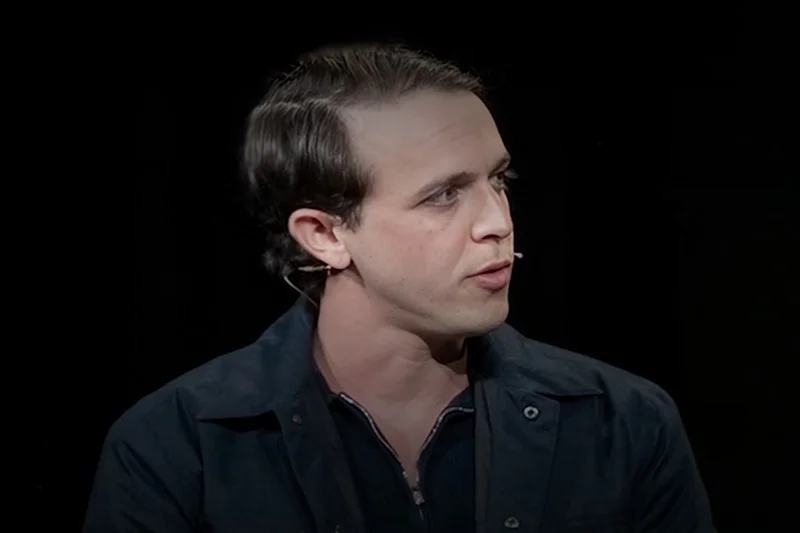
Bolt CEO Ryan Breslow Says He Fired the Entire HR Team and the “Problems” Disappeared
In an era where tech companies are investing heavily in employee wellness, workplace culture, and compliance, Ryan Breslow is taking a different approach. He is not being subtle about it. The Bolt CEO has sparked a new debate in the startup world after announcing that he removed the company’s entire HR department. He believes that the team was creating problems instead of solving them. His comments, made during Fortune’s Workforce Innovation Summit, quickly gained attention online. They also reignited an ongoing discussion in Silicon Valley about whether traditional HR departments help startups grow or hold them back.
Ryan Breslow Says HR Was Creating “Problems That Didn’t Exist”
Speaking honestly at the event, Breslow defended the controversial decision and suggested that the company became more efficient after the layoffs. “We had an HR team, and that HR team was creating problems that didn’t exist,” he said, adding later that those “problems disappeared” once the team was removed. His remarks were direct, even for a startup founder. However, they also reflect the tone Breslow has taken in his effort to change Bolt’s internal culture. He stated that the company is moving away from what he called a “peacetime” mindset and returning to a tougher, faster-paced startup environment. The message was clear: fewer layers, fewer meetings, and less internal process. For supporters of aggressive startup execution, this approach may seem refreshing. For critics, it raises serious questions about accountability and employee support.
Why Bolt Is Restructuring So Aggressively
The context behind the decision is important. Bolt has faced financial pressure, layoffs, leadership changes, and a significant drop in valuation over the past few years. Reports indicate that the company’s valuation fell from about $11 billion at its highest to around $300 million during its decline. The company has also cut its workforce substantially, with layoffs impacting nearly 30% of employees during restructuring. In this situation, Breslow seems to be focused on narrowing the company down to what he believes is its main operational engine. This means eliminating departments he considers non-essential and directing resources toward product development and growth. Some founders and investors find this reasoning acceptable. Startups under stress often shift to leaner operations in hopes of weathering tough times. However, completely removing HR is viewed as an unusually drastic measure, especially for a company of Bolt’s size and visibility.
The Bigger Debate Around HR in Startups
The reaction to the “Bolt CEO Ryan Breslow fired HR team” story has been deeply divided. It strikes a chord within modern startup culture. Many early-stage founders argue that HR departments can create unnecessary red tape in companies that need speed and quick decision-making. They feel that too many policies, approvals, and internal processes can slow down progress. Critics, however, point out that HR serves an important purpose. Human resources teams usually manage hiring systems, employee disputes, workplace investigations, compliance issues, benefits administration, and internal communication. Removing HR can create uncertainty for employees and expose companies to operational or legal risks later on. What made Breslow’s comments particularly controversial was not just the layoffs but also the way he framed them. He stated that the “problems disappeared” after firing HR. Many observers interpreted this as less about cutting costs and more as dismissing the role HR plays in protecting employees. This distinction is why the story resonated so strongly online.
What This Means for Employees
For workers, getting rid of an HR department can feel very unsettling. In most companies, HR is the main point for everything from leave policies and pay questions to resolving workplace conflicts. Without that structure, employees may have to rely directly on managers or leadership teams for support. Supporters of Breslow’s approach say that smaller structures can lead to clearer communication and quicker decisions. Critics argue that this could also cause inconsistency, confusion, and a lack of protections when workplace issues come up. The debate shows a wider trend in the tech sector today. After years of aggressive hiring, many startups are now focusing on efficiency instead of growth. Departments once seen as crucial are increasingly being looked at through the lens of profitability and survival. Bolt’s restructuring might just be one of the most noticeable examples of that change.
Public Reaction Has Been Polarized
Online reaction to Breslow’s remarks has split into two clear groups. Some founders and startup operators praised his honesty. They argue that modern companies often become over-managed and distracted internally. They see this move as an effort to create a more focused, execution-driven culture. Others view the statement as dismissive and potentially harmful, especially at a time when workplace protections and employee well-being are major concerns in the tech industry. From a reputational standpoint, the impact could be significant. A strict approach might attract workers who excel in high-pressure startup environments. However, it could also turn away candidates who are looking for stability, structured support systems, or long-term job security. In a competitive hiring market, company culture matters just as much as compensation when it comes to recruitment.
Stay Updated With These Big Stories
Check Why Saudi-Israel Talks Paused?
Explore how Saudi Arabia’s latest stance is reshaping Middle East diplomacy and normalization discussions.
Check What U.S. Strategy Targets?
Explore the new U.S. counterterrorism measures and their impact on global security and policy debates.
Explore Why Tyler Oliveira Was Deported?
Discover the controversy behind Tyler Oliveira’s deportation and the global debate surrounding free speech and creator responsibility.
Discover Which Meta AI Glasses Fit?
Check out the latest Meta AI glasses models, features, and why users worldwide are rushing to buy them.
Explore How Anil Kochhar Changed Lives?
Discover how Anil Kochhar’s generous move helped hundreds of students overcome massive education debt.
Why the Story Matters Beyond Bolt
The controversy around Ryan Breslow and Bolt goes beyond just one company’s restructuring plan. It reflects a growing tension within the startup ecosystem: how lean can a company get before essential systems start to vanish? For years, tech companies expanded quickly, building large internal teams focused on operations, culture, recruiting, and employee experience. Now, many businesses facing slower growth and tighter funding are questioning those investments. Breslow’s comments clearly highlight this shift. Whether his approach will ultimately strengthen Bolt or create new issues down the line is still uncertain. However, the discussion it has sparked about leadership, layoffs, and the role of HR in modern startups is unlikely to disappear soon.
FAQs
1. Why did Ryan Breslow fire Bolt’s HR team?
He claimed the HR team was creating problems that didn’t exist. He believed those issues went away once the team was gone.
2. Did Bolt also lay off employees?
Yes. Reports indicate that Bolt cut around 30% of its workforce as part of a broader restructuring.
3. What is Bolt’s current situation?
Bolt has been trying to recover after years of decline, which included a significant drop in valuation and increasing operational pressures.
4. Why is this controversial?
HR usually handles employee support, policy, and workplace conflict, so eliminating it raises concerns about culture and accountability.
5. What does this say about startup culture?
It suggests some founders are shifting toward a leaner, more aggressive model where speed and direct control are more important than a traditional corporate structure.