LA, Toronto, and Vancouver Face Tough Questions Ahead of FIFA World Cup 2026
The countdown to the FIFA World Cup 2026 has officially begun, but not every host city is entering the tournament with confidence. Los Angeles, Toronto, and Vancouver are increasingly being described by analysts and urban-planning experts as some of the “least prepared” cities hosting the expanded global football spectacle. With millions of fans expected to travel across North America next summer, concerns about congestion, transit pressure, and visitor management are now moving into the spotlight. For travelers, this is no longer just a sports headline. It could shape everything from hotel prices to how long it takes to reach a stadium on match day.
Why These Cities Are Drawing Concern
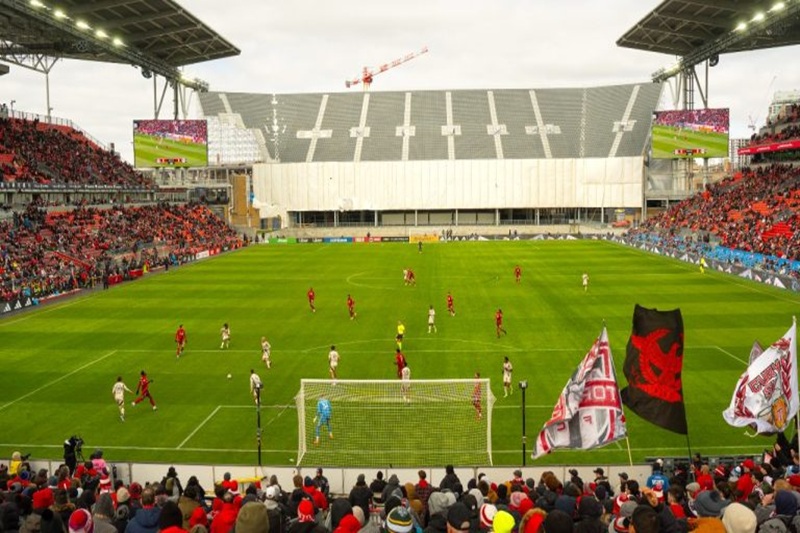
The 2026 FIFA World Cup will be unlike any previous edition. The tournament expands to 48 teams and stretches across 16 cities in the United States, Canada, and Mexico. That scale is exciting for fans but difficult for cities already struggling with infrastructure demands. In Los Angeles, transportation experts continue to warn about gridlocked freeways and the challenge of moving huge crowds between airports, hotels, fan zones, and stadium areas. Public transit improvements are underway, but critics argue the city remains heavily dependent on cars at exactly the wrong moment. Toronto faces a different problem. While BMO Field is receiving upgrades ahead of the tournament, planners say surrounding access routes and transit capacity could become overwhelmed during high-attendance matches. Downtown congestion is also expected to intensify during peak tourist season. Vancouver’s concerns revolve around transit bottlenecks between the airport, downtown core, and BC Place. Officials are also preparing for heavy pressure on already-busy rail and bus systems, especially during back-to-back match weekends.
The Real Meaning of “World Cup Ready”
Being ready for a World Cup is not just about finishing stadium construction on time.
Modern tournaments are judged by the full fan experience, how quickly people move through security, whether trains run smoothly, how easy navigation feels for international visitors, and even whether mobile networks can handle tens of thousands of people posting videos at once.
Travel specialists say these behind-the-scenes systems often determine whether visitors remember a city fondly or leave frustrated. A stadium may look spectacular on television, but overcrowded transit stations, long security lines, or chaotic ride-share pricing can quickly sour the experience for fans spending thousands on travel.
What Travelers Should Expect
Despite the alarming headlines, experts are not suggesting that matches are at risk.
The World Cup schedule is finalized, stadium operations are progressing, and large-scale security coordination is already underway between federal, state, and city agencies.
Still, visitors should prepare for a more complicated travel experience in some host cities.
That may include:
Longer waits around transit hubs and fan zones, heavy road closures near stadium districts, higher hotel rates during marquee match weekends, increased security checkpoints around public gathering areas, crowded airports, and delayed local transportation. Los Angeles could see particularly severe congestion if major matches overlap with summer tourism peaks. These two cities may see tighter crowd control laws enacted within entertainment precincts and public viewing areas.
Rising Expenses Lead to Debates
This debate is not just about football enthusiasts anymore. In Canada, increasing expenses of hosting the tournament have turned into a hot political topic. The amount of money being spent on hosting the event in Toronto and Vancouver may total one billion dollars, according to reports, with costs for security and facilities far exceeding the initial estimates. This has drawn ire from certain community members and groups concerned that their communities won’t receive any benefits after the end of the tournament. Small-business owners, commuters, and taxpayers are increasingly asking whether the economic boost promised by FIFA will outweigh the short-term disruption and long-term public spending.
Experts Say Smart Planning Can Reduce the Stress
Urban-planning analysts insist that travelers should not panic, but they should prepare carefully.
Their recommendations are practical:
Arrive at stadium areas earlier than usual. Stay near reliable transit lines instead of driving. Avoid booking flights during major match weekends. Monitor local event schedules before finalizing itineraries. Expect heavier security measures throughout host cities.
Many experienced travelers are already adjusting plans by visiting attractions on non-match days or choosing accommodations outside the busiest downtown zones.
Should You Cancel Your Trip?
Probably not. However, while the problems that exist in Los Angeles, Toronto, and Vancouver are real, they are primarily logistical in nature, not security-related, and do not affect the feasibility of the tournament. For football enthusiasts, the opportunity to witness a groundbreaking 48-team World Cup may more than compensate for delays on trains or congested roads. This means that if you are traveling to any of these three cities during FIFA World Cup 2026, be prepared for an even more hectic, crowded, and costly summer travel season than usual. Those who plan ahead will likely still enjoy the electric atmosphere, international energy, and once-in-a-generation excitement that only a World Cup can deliver.
FAQs
Q: What does “least ready” mean for FIFA World Cup 2026 hosts?
A: It means that, compared to other host cities, LA, Toronto, and Vancouver are considered less prepared for traffic, transportation bottlenecks, and fan-experience logistics, not that matches will be canceled.
Q: Should I cancel my summer trip to LA, Toronto, or Vancouver because of the World Cup?
A: Not necessarily. Many experts advise planning carefully, avoiding match‑day rush hours, booking transit‑friendly stays, and checking local event calendars—rather than canceling outright.
Q: How will the World Cup affect public transport in these cities?
A: Anticipate increased passengers, potential delay, and temporary match day routes. However, it should be noted that despite the improvements made to the operations, there is a possibility that capacity can still be reached.
Q: Is there any threat or security concern to tourists during the World Cup?
A: While security departments and FIFA have invested more money in the security of the host countries, there is a possibility that transport terminals and high congestion areas can be prone to threats. Standard travel‑safety practices (awareness, travel insurance, and real‑time alerts) are strongly recommended.
Q: Will the World Cup change the atmosphere of these cities for tourists?
A: Yes, in a big way. You can expect festive fan zones, packed streets, and more international visitors but also higher prices, longer queues, and stricter rules in event‑adjacent areas.