UAE-Brokered Russia-Ukraine Prisoner Swap Frees 370 Captives in Latest Humanitarian Breakthrough
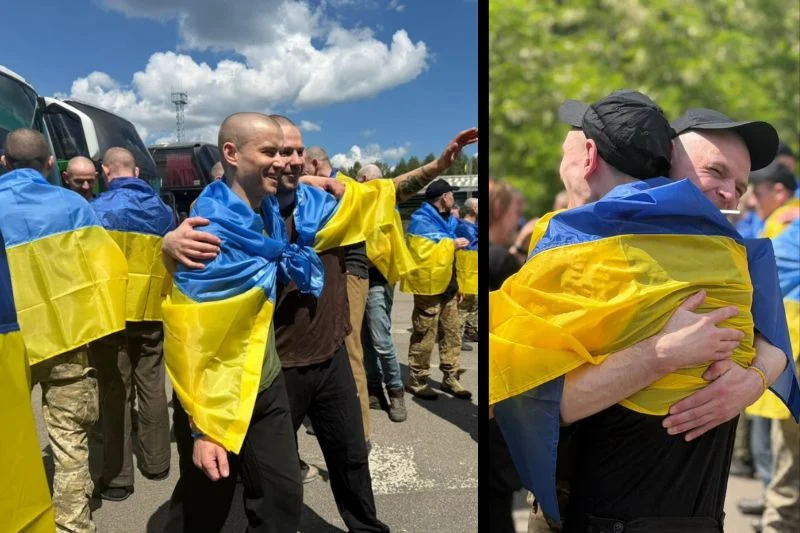
The war between Russia and Ukraine has seldom provided moments of relief. This week, however, families in both countries received welcome news. A new prisoner exchange mediated by the UAE resulted in the release of 370 captives, marking an important humanitarian breakthrough in the ongoing conflict. The United Arab Emirates Ministry of Foreign Affairs reported that this latest mediation effort succeeded in exchanging 185 Ukrainian prisoners and 185 Russian prisoners. This announcement emphasizes the UAE’s growing diplomatic role as one of the few nations keeping communication open with both Moscow and Kyiv. The development was confirmed through an official statement released by the UAE Foreign Ministry on social media.
UAE Expands Its Role in Russia-Ukraine Mediation
Since the start of the Russia-Ukraine war, prisoner swaps have emerged as one of the few areas where diplomatic cooperation has been possible. The UAE has increasingly sought to portray itself as a neutral intermediary that can help broker such sensitive negotiations. The UAE Ministry of Foreign Affairs said in a statement that the success of the latest exchange demonstrates the trust both Russia and Ukraine place in Emirati diplomacy, and officials also stressed the country’s continued commitment to supporting peaceful solutions and lessening the humanitarian toll of the war. The ministry noted that with this latest operation, the total number of prisoners exchanged through UAE mediation has now reached 3,233. This figure highlights how prisoner diplomacy has quietly become one of the UAE’s most consistent international humanitarian efforts over the past two years.
Why Prisoner Exchanges Matter
For many families, prisoner swaps are more than just political news. They represent emotional moments that end months, and sometimes years, of uncertainty. Captured soldiers and civilians often endure tough conditions, limited communication, and psychological trauma. Their return can offer immediate emotional relief to families while also helping governments show progress during long conflicts. Although prisoner exchanges do not signal an end to the Russia-Ukraine war, they are seen as one of the few diplomatic actions still working between the two sides. Humanitarian experts often refer to such negotiations as ways to build trust. Even when larger peace talks are stalled, successful swaps can keep communication open and reduce tensions for a time.
International Attention on UAE Diplomacy
The UAE’s involvement has drawn increasing global attention because the country has working relations with both Russia and Western allies supporting Ukraine. Unlike many nations that have taken strong geopolitical stances, the UAE has tried to balance diplomacy with humanitarian efforts. This approach has enabled Abu Dhabi to act as a mediator in several prisoner exchange rounds since the conflict escalated in 2022. Political analysts suggest these mediation efforts also enhance the UAE’s reputation as a rising diplomatic player on the world stage. In recent years, the Gulf nation has broadened its role in international negotiations related to regional conflicts, humanitarian initiatives, and economic diplomacy.
Public Reaction and Human Impact
Most of the social media response to the announcement was based on the emotional side of the exchange. Videos and photos of past prisoner releases often depict emotional scenes of freed captives reuniting with family. Every successful exchange gives new hope to the Ukrainian and Russian people that eventually more prisoners will come home. But the bigger fight is still serious. There is continued fighting on a number of fronts and international efforts to broker a peace deal have yet to bear fruit. But even in this fractured geopolitical crisis, acts of goodwill such as prisoner exchanges are rare opportunities for cooperation.
What Happens Next?
Diplomatic observers expect more prisoner exchanges in the coming months, especially with the UAE staying actively involved in mediation efforts. While these agreements may not quickly change the war’s course, they provide vital humanitarian relief and help maintain fragile diplomatic communication between the two nations. So far, 370 families have received the news they had been waiting for, a reminder that even during war, negotiations can still save lives and bring loved ones back together.