

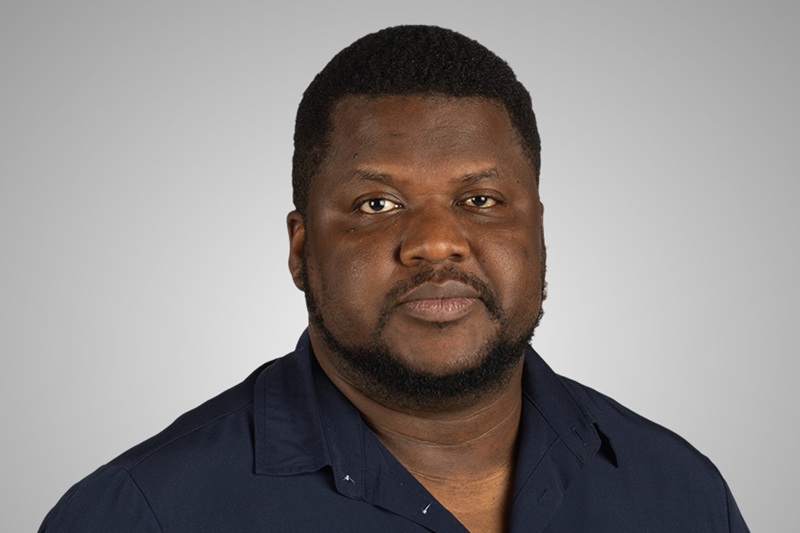
Thélyson Orélien AI Controversy: Award-Winning French Author Accused of Using AI to Write Prize-Contending Novel
Picture the best week of your life as a writer. Your debut novel wins one of France’s biggest reader-driven prizes. Then, almost overnight, an anonymous account online says a machine wrote it. That’s where Thélyson Orélien finds himself.
A dream debut
Orélien is a Quebec-based writer of Haitian origin. His first novel, C’était ça ou mourir, deals with migration, exile, memory and the search for belonging. Published in France by Grasset, it has sold more than 35,000 copies and became one of the standout books of the 2026 rentrée. On September 21 it won the Prix du Roman Fnac. That prize matters. It’s decided by a jury of 400 booksellers and 400 readers, so for a first-time novelist it’s a serious vote of confidence from the people who actually live with books.
Then the accusation
Soon after the win, an anonymous X account called “Balance ton Claude” claimed the novel was written “almost entirely” with AI. Its evidence was a set of excerpts run through Pangram, an AI-detection tool. The post spread fast, reportedly reaching millions of views and more than 1,000 shares.
It’s worth being clear about what this is: an allegation, not proof.
Orélien has flatly denied it. He told Le Parisien that he has never used artificial intelligence to produce text, and that the book took years to develop, with an early manuscript already in existence by 2019. Grasset has dismissed the claims as malicious. Boréal, the Canadian publisher that released the book first, said it knew about the allegations and still stands behind the author and the work.
Can a detector settle it?
Not really. AI detectors don’t work like fingerprint tests. They look for patterns in language and estimate how closely a text resembles machine-written prose. That can be a reason to look more closely, but it can’t tell you who actually wrote something.
Le Monde looked into the technology behind Pangram during the controversy and reported that detectors can produce false positives. Researchers have also pointed out that writing style, heavy editing and unusual prose can all skew the results. Pangram says its latest model is built to reduce false positives, but its published accuracy figures come from test datasets, not from this particular novel.
Why it matters beyond one book
The timing is delicate. Generative AI is already changing how books, journalism and other creative work get made, and readers and publishers increasingly want to know whether something was written by a person, with AI help, or mostly by a machine. But this case shows the other side of that anxiety. A viral post built on an automated score can damage an author’s reputation in a matter of hours, right when a debut is finding its audience. As things stand, there’s no independent evidence that AI wrote Orélien’s novel. What the episode has done is open a much bigger question: in the age of AI, how should authorship be verified, and who gets to decide?
FAQ
Who is Thélyson Orélien?
A Quebec-based writer of Haitian origin whose debut novel, C’était ça ou mourir, has been a major success in France.
Why is he accused of using AI?
An anonymous X account said passages from the book were flagged by the detection tool Pangram and alleged it was largely AI-written.
Has he admitted to using AI?
No. He has publicly denied it.
Explore the latest Trump moves shaping global politics, energy, and security.
Who Will Trump Send Abroad Next?
Check out the latest ambassador appointments and their potential diplomatic significance.
Could Venezuela’s Oil Transform America’s Energy Future?
Find out what the reported oil deal could mean for U.S. energy strategy.
Why Did Trump Cut Military Exercises?
Uncover the details behind the substantial reduction in joint military exercises.
Why Did Netanyahu Reject Trump’s Gaza Plan?
Dive into the key disagreements surrounding the proposed 15-point Gaza plan.
Can Trump’s Gaza Deal Survive Spoilers?
Look into the challenges that could affect the agreement and prospects for lasting peace.

