

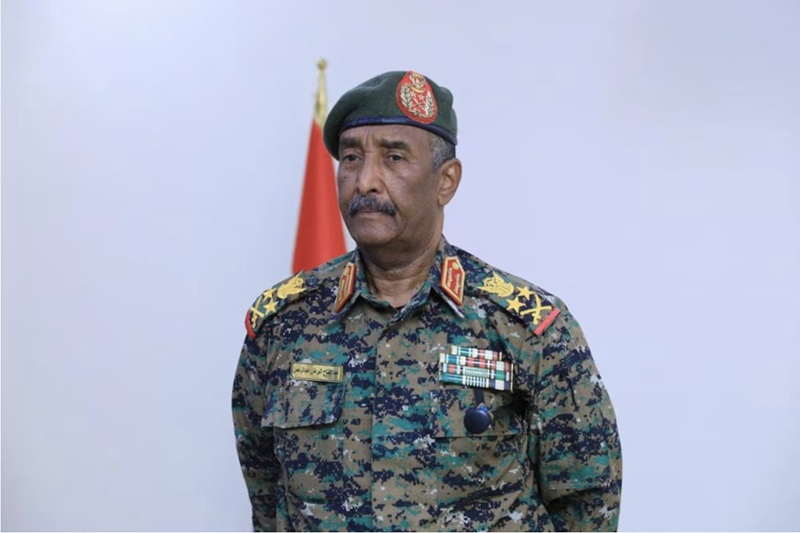
US Denies Al-Burhan UN Visa as Sudan Ceasefire Dispute Tests Global Diplomacy
A visa dispute involving Sudan’s top army chief has rapidly escalated into more than a matter of who gets to speak at the United Nations. The US’ reported decision to deny a visa to Abdel Fattah al-Burhan ahead of the UN General Assembly has sparked a wider diplomatic debate about how major powers should treat countries embroiled in long-running civil wars – and whether access to international institutions can be part of the pressure for peace.
The reported decision comes as Washington pushes a proposed 90-day humanitarian ceasefire for Sudan’s war between the Sudanese Armed Forces (SAF) and the Rapid Support Forces (RSF). The visa problem seemed to be connected to Burhan’s stance on the proposal, Reuters said, quoting the U.S. government, which has not publicly confirmed the precise condition. The episode situates the conflict in Sudan at the nexus of three major international issues: humanitarian diplomacy, recognition of political legitimacy and the role of the United Nations in conflict resolution.
Why the US Visa Decision Matters Beyond Sudan
Sudan’s war is not a stand-alone domestic crisis. The fighting that started in April 2023 is one of the world’s largest displacement and humanitarian emergencies. Its consequences are cross-border and affect neighboring countries, regional security, migration and international humanitarian operations.
That gives Washington’s approach broader importance beyond Sudan. The decision to deny a visa to a senior Sudanese military leader ahead of a major UN gathering shows how diplomatic access can be tied to wider foreign-policy aims. The episode also may raise questions for other governments involved in conflicts around the world about how the United States and other major powers will balance diplomatic engagement with pressure on armed actors.
The 90-Day Ceasefire Dispute and Its Wider Diplomatic Impact
A proposed, 90-day humanitarian ceasefire is at the heart of the latest row. Reuters reported that the visa was said to be contingent upon Burhan’s acceptance of the proposal by Massad Boulos. The report quoted a Sudanese diplomatic source and a Western analyst familiar with U.S.-Sudanese issues. The condition could not be immediately confirmed by the U.S. State Department or Sudanese officials. Sudan’s military has voiced concerns in the past about ceasefire proposals, arguing that temporary pauses can let the RSF regroup and then launch attacks again.
Burhan has also publicly argued that previous externally negotiated pauses have not produced lasting peace. His position reflects a broader disagreement over whether an immediate ceasefire should precede security arrangements and political negotiations or be part of a larger political settlement. But for Washington, humanitarian access and a ceasefire have become key elements of its diplomatic pressure on both sides.
Washington Says Neither Side Represents Legitimate Governance
The visa dispute followed an unusually direct statement from the U.S. State Department on Sudan’s rival military authorities. State Department spokesman Tommy Pigott said, “Neither the Sudanese Armed Forces (SAF) nor the RSF, nor their leaders, represent legitimate constitutional governance in Sudan.” Both sides rule by armed force, Washington said, stressing it wants to work with a “serious partner for peace.” The statement is a significant diplomatic stance as the Sudanese army and the RSF have fought each other for military and political advantage for years. Washington also said it would seek to raise the price of the ongoing conflict for the belligerents and the networks supporting them, while calling for an inclusive political dialog leading toward civilian government.
Rather than publicly endorsing one military camp, the U.S. position places pressure on both sides to demonstrate a willingness to participate in a peace process.
Sudan’s War Has Created a Wider Humanitarian Crisis
The conflict began in April 2023 when the SAF and RSF began fighting. Since then, the war has destroyed cities, disrupted basic services and displaced millions from their homes. There is also international pressure for a ceasefire because of the humanitarian consequences. Almost 14 million people have been displaced, with UN-linked figures quoted by Modern Diplomacy saying tens of millions are in need of humanitarian assistance in 2026.
The economic implications are equally dire. Recovery has become harder and harder as infrastructure has been damaged, trade has been interrupted and access to basic services has declined. Any protracted conflict also risks regional stability as Sudan shares borders with a number of countries already facing economic, security and humanitarian pressures.
UN Access Debate Adds Another Diplomatic Layer
The visa dispute poses another question: how far can the United States use immigration and visa decisions to advance foreign-policy goals when the person in question is due to attend UN meetings?
Sudan has argued that refusal of the visa could violate the UN Headquarters Agreement. Meanwhile the United Nations has called on the United States to live up to its responsibilities as host country. At the same time, the United States has not publicly explained the particular visa case in detail. The State Department generally does not comment on individual visa decisions. That leaves the decision’s precise legal and diplomatic rationale up for grabs.
Civilian Voices Seek Space at UNGA
The controversy is playing out as Sudanese civilian groups seek to offer a political alternative to international policymakers. The civilian Somoud coalition previously led by former Prime Minister Abdalla Hamdok has been in New York meeting with international officials and discussing ceasefire and humanitarian initiatives. The group has called for an immediate humanitarian truce and an inclusive political process that would lead to civilian rule. Hamdok’s presence does not signify that any particular civilian faction has the backing of the international community. Rather, it points to the wider debate about the possibility of Sudan moving from military clashes toward a political deal with civilians.
FAQs
1. Why was Al-Burhan reportedly denied a U.S. visa?
Reuters reported that the visa appeared to be linked to Al-Burhan’s acceptance of a proposed 90-day ceasefire. The specific condition has not been publicly confirmed by the U.S. government.
2. What is the 90-day ceasefire proposal?
It is a humanitarian truce proposal associated with U.S. Senior Adviser Massad Boulos and aimed at creating a pause in Sudan’s fighting and opening space for humanitarian assistance and political dialogue.
3. Why does the UN Headquarters Agreement matter?
The agreement establishes arrangements governing the UN headquarters in New York, including obligations concerning access for representatives attending UN activities. The UN secretary-general has urged the U.S. to comply with those obligations in this case.
Explore the latest Trump moves shaping global politics, energy, and security.
Who Will Trump Send Abroad Next?
Check out the latest ambassador appointments and their potential diplomatic significance.
Could Venezuela’s Oil Transform America’s Energy Future?
Find out what the reported oil deal could mean for U.S. energy strategy.
Why Did Trump Cut Military Exercises?
Uncover the details behind the substantial reduction in joint military exercises.
Why Did Netanyahu Reject Trump’s Gaza Plan?
Dive into the key disagreements surrounding the proposed 15-point Gaza plan.
Can Trump’s Gaza Deal Survive Spoilers?
Look into the challenges that could affect the agreement and prospects for lasting peace.

