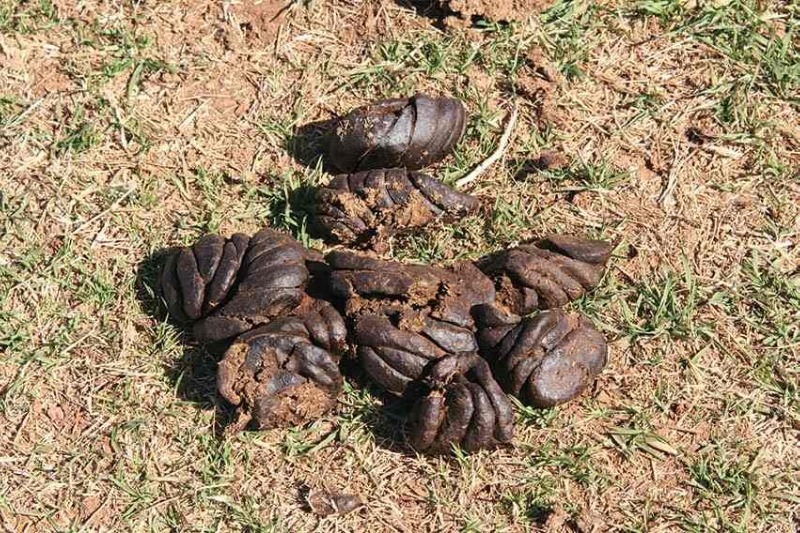
The brink of a crisis: Zimbabwean girls use cow dung as sanitary pads
As the price of feminine hygiene products rises, many rural Zimbabwean girls are being forced to wear sanitary pads made from cow dung.
In her wheelchair, Constance Dimingo, 19, wiggles her hips as she tries to recall the last time she used a feminine hygiene product. She laments, “I didn’t wear a pad for the last time before my mum died last year”.
Poverty and a pre-existing physical impairment have combined to turn a normal monthly cycle into a source of embarrassment.
“To block the blood from spilling, I’m using anything and everything I can find, including cow manure, leaves, newspapers, and old garments.” Finally, she adds, “I wish my mother was still alive to purchase me pads and medication for my period of agony.”
According to a survey by SNV Netherlands Development Organization in Zimbabwe, 72 percent of girls in the rural town of Domboshava, 30 kilometers north of the capital Harare, lack access to commercial sanitary apparel.
Considering that the majority of the country’s 3 million menstruation girls live on or below the poverty line, sanitary pads cost an equivalent of $2 per pad.
The vision challenged grandmother of Constance, her epileptic sister, and three other daughters is the only one who can help them with their menstrual hygiene during this time of the month.
Grandmother Vhene Gumedhe explains how the cow poo technique works: “Sanitary pads are a luxury I cannot afford for my girls.”
“I take the excrement, mold it, and let it dry so that it easily absorbs the blood. They do not directly apply the cow pattie on their bodies. My underwear doesn’t itch as much because of the layers of clothing I put on top of it. To stop the bleeding, I show them how to seal their genitals with their hands.”
She says, “The girls had high flows with six-day cycles. Our preferred way is to utilize cow feces since it absorbs a large amount of blood. We bury it in the earth after it has been wet. It is forbidden for men in our Shona society to see such things.”
When it comes to dealing with their menstrual cramps, many disadvantaged women in South Africa resort to desperate measures.
Related Posts
As many as 67% of female students miss school each month because of their menstrual cycle, a fact confirmed by the Ministry of Women and Youth Affairs. Constance was an example of a girl with a disability who was forced to drop out of school.
Salmonella, E. Coli, and other bacteria that might infect reproductive organs are known to thrive in these conditions, according to health experts.
“The vaginal stinging and burning that some of the girls have reported is concerning. Because of the needle’s injection into the vaginal canal, we often find yeast infections, urogynecological tract infections, and even early indicators of cervical cancer,” says Theresa Nkhoma, a Community Childcare Worker from the Ministry of Public Service.
The health worker proposes that sewing machines be given to the women in the communities so they can learn to create reusable pads.
As a result of this, Zimbabwe’s government has eliminated all taxes on feminine hygiene products. Inflation in Zimbabwe is currently at 191.6 percent, according to the country’s National Statistics Agency.
The majority of families have to make a choice between purchasing feminine hygiene products and food.
For Constance and her sisters, who live on less than a dollar a day, pads are just a luxury that they can do without.