North Korean food shortage is worsening, says South Korea
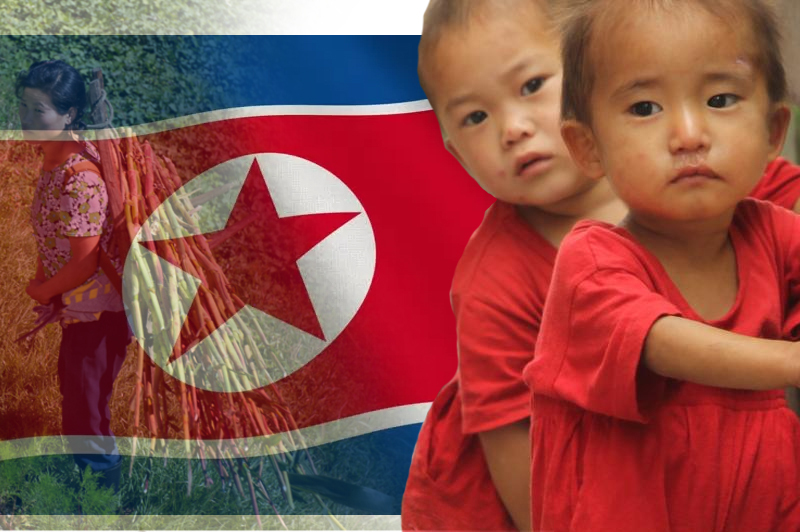
North Korea’s chronic food shortages appear to have deteriorated, South Korea said on Wednesday, as the state newspaper, the Rodong Sinmun, reported this week that North Korea cut rations to its soldiers for the first time in over two decades.
South Korea’s unification ministry referred to the report and said North Korea acknowledged serious food shortages. According to Rodong Sinmun, North Korea’s ruling party will meet this month to talk about plans for the country’s agriculture sector.
South’s unification ministry, which handles relations with North Korea, talked about an “urgent” ruling party meeting on agriculture. South’s unification ministry said in a statement, “North Korea’s food situation seems to have deteriorated.”
In January, the US-based 38 North programme, which monitors North Korea, warned in a report that chronic food shortages in North Korea could increase in the future. It said that “food availability has likely fallen below the bare minimum with regard to human needs.”
Keep Reading
Over recent months, North Korea has suffered serious food shortages. The Russia-Ukraine war further created problems for North Korea because it increased global prices of food, energy and fertiliser.
In the 1990s, North Korea suffered due to extreme scarcity of food. The famine of the 1990s in North Korea caused a catastrophe that killed an estimated 600,000 – 1 million people, or about three to five per cent of the population.
According to the 38 North programme, North Korea’s chronic food insecurity has increased rapidly due to decades of economic mismanagement and the policies of the Kim regime.
When North Korea responded to COVID-19 by self-isolating, food insecurity started to get worse. North Korea also limited border trade through self-imposed lockdowns aimed at preventing COVID-19.
South Korea’s DongA Ilbo newspaper reported on Wednesday that North Korea has limited daily food rations for its soldiers amid the chronic food shortages.
Read More: China’s markets decline due to geopolitical tensions and U.S. inflation statistics