Lundin Oil Trial: Corporate Accountability for Alleged Sudan War Crime
The former chairman and CEO of the Swedish oil company Lundin Oil are currently the subject of a high-profile trial there. They are charged with involvement in war crimes committed in Sudan between 1999 and 2003. Both defendants vigorously refute these allegations, and the case has received considerable media interest due to its implications for corporate responsibility about international humanitarian law.
The Allegations
According to the prosecution, Lundin Oil attempted to gain an oilfield in what is now South Sudan by working with the Sudanese government. Since those stormy years, the company has undergone name changes and divestments and now goes by the name Orrön Energy. The firm is said to have known that attaining this objective would require the use of force to acquire the territory. As a result, the executives are charged with involvement in war crimes committed during this time against civilians by the Sudanese army and affiliated militias.
The Defense
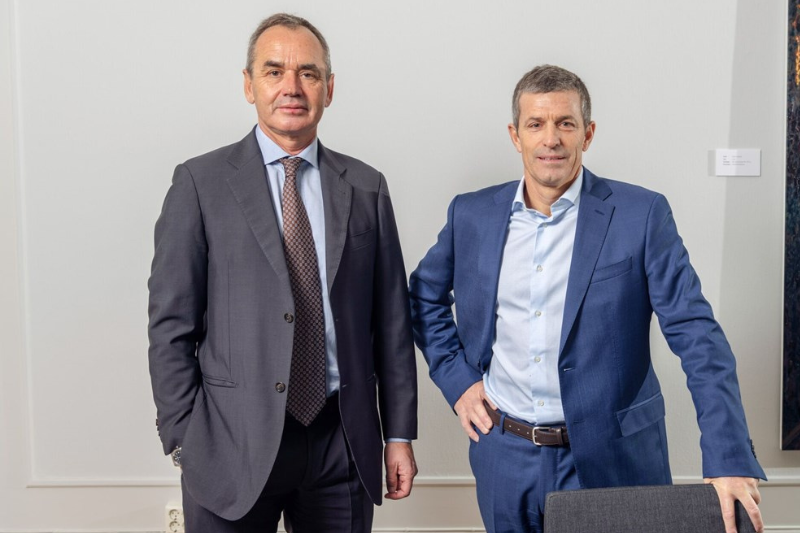
Both former chairman Ian Lundin and former CEO Alex Schneiter have vehemently refuted these accusations. They claim the charges are untrue and have stated that they are willing to stand up for themselves in court. The court’s timetable indicates that the case will likely go on until early 2026, highlighting both its intricacy and the seriousness of the charges.
The Legal Framework
The prosecution contends that notwithstanding the executives’ awareness of, or at the very least indifference to, the illegal actions of the military and militia groups in Sudan, complicity in a criminal sense results from their demands. It is claimed that this behavior broke international humanitarian law.
Keep Reading
Corporate Accountability
Important issues regarding corporate responsibility for activities taken in the name of profit are raised by this trial. The company’s denial of the accusations and resolve to fight the demand for profit confiscation add still another level of complication to the situation. The verdict in this case could establish a precedent for how businesses are held responsible for their conduct in war zones and their involvement in crimes against humanity.
Background
This case is especially important because of the long history of strife in Sudan, which includes the protracted war in South Sudan. In 2011, South Sudan achieved independence, bringing an extended and terrible civil war to a conclusion. Omar al-Bashir, a former president of Sudan, is accused of committing genocide and other war crimes while in power by the International Criminal Court.
An important turning point in the interaction between business objectives and international humanitarian law can be seen in the Lundin Oil trial. Legal experts, human rights activists, and business leaders will be keenly following the case as it develops over the ensuing years. The outcome of this case will affect corporate accountability in conflict zones in the future as well as the destiny of the parties involved.