Iran War and US Midterm Results: Could Washington Move Toward a New Peace Deal?
Americans voted on Tuesday with gas pumps, grocery receipts and a distant war on their minds. Now everyone is asking the same thing: did the ballot box just change the course of the Iran war?
What the Midterm Results Told Us
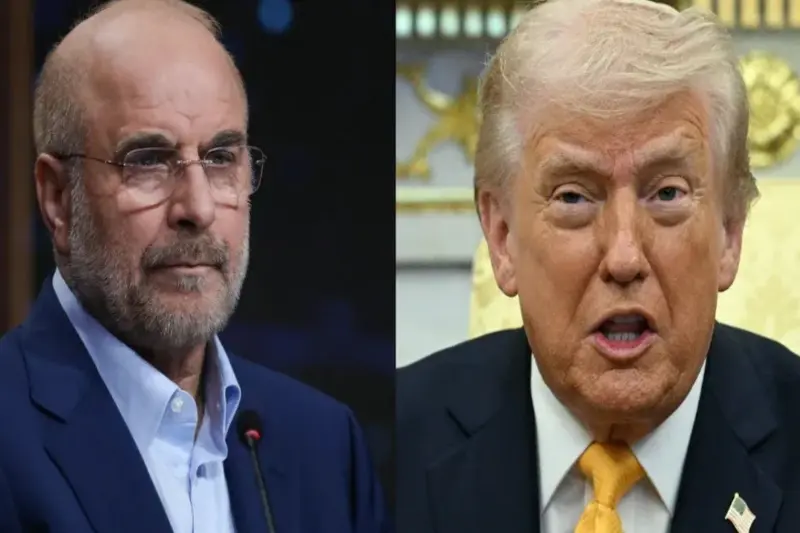
Republicans took heavy losses, and President Trump didn’t hide the reason. He told Fox News that “part of it was Iran.” Even so, he told The Wall Street Journal he doesn’t regret the war and would do it again.
Tehran noticed too. Iran’s chief negotiator, Mohammad Bagher Ghalibaf, said Americans rejected the war and pointed to the cost of living.
Background: How We Got Here
The conflict began months ago and has killed thousands. In June, Trump approved a framework deal that included Iran’s commitment to reopen the Strait of Hormuz. The truce didn’t last. Each side accused the other of violating the interim deal within two weeks. Public patience was already thin. A June Reuters/Ipsos poll found only a quarter of Americans thought the war was worth the cost.
Latest Updates
Diplomacy is moving, but so is danger. Indirect talks are reportedly underway through Qatari, Pakistani and Saudi mediators, and Qatar expects feedback from both sides on a new proposal within 36 hours.
At the same time, Iran’s military says four oil tankers caught fire after hitting mines in the Strait of Hormuz. Axios reports Trump is weighing three paths: a peace deal, renewed military action, or sustained economic pressure.
Why It Matters to Everyday People
This isn’t only a foreign policy story. US diesel prices recently rose past $6 a gallon for the first time ever. That cost flows into food, shipping and everyday bills. Even a deal won’t fix prices overnight. Higher costs for gas, food and other goods were expected to linger even if a permanent agreement came soon.
Analysis: Is a New Peace Deal Realistic?
Politically, the pressure is obvious. Voters have signaled they want the fighting and the price pain to end, and any White House facing that message has reason to look for an exit.
But there are serious obstacles. Trump says he has no regrets, and Iranian officials say their core demands won’t change. Both sides have also broken a ceasefire before. So a new deal looks more likely than it did a month ago, but it’s far from guaranteed. The next few days of talks will show whether the midterm message actually moves Washington.
Explore How Middle East Tensions Are Reshaping Oil Prices, Global Trade, and American Lives
Why Are Rising Gas Prices Affecting Midterms?
What Did Iran Demand at UNGA 2026?
Could Renewed US-Iran Strikes Disrupt Global Oil?
How Could Hormuz Disruptions Affect Global Economies?
Why Is China Expanding Middle East Diplomacy?