

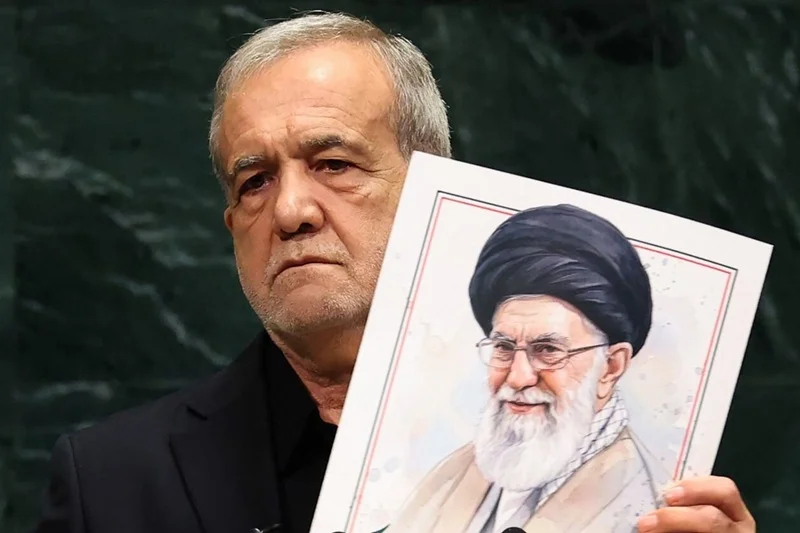
Iran UNGA 2026: Pezeshkian Lays Out Tehran’s Demands on Nuclear Program, Hormuz and US War
Imagine standing at a podium in front of the entire world, one day after the leader of the most powerful military on earth suggested he might wipe your country off the map. That’s exactly where Iranian President Masoud Pezeshkian found himself this week at the United Nations General Assembly in New York and he didn’t blink. His speech landed like a verbal counterpunch to President Donald Trump, who had told the same assembly a day earlier that he was still weighing whether to “annihilate” Iran if a deal doesn’t come together soon.
What Actually Happened at the UN
Speaking to the 81st session of the UN General Assembly, Pezeshkian pledged that Iran won’t be bullied by military action or economic sanctions into giving up its nuclear program. It was a defiant, almost personal rebuttal aimed squarely at Washington.
“We will never bow our heads or bend at the knee,” he told the assembly, adding pointedly, “We’re not afraid of fighting, of war.”
This isn’t just diplomatic bluster. The speech came nearly seven months into a conflict that began when the U.S. joined Israel in launching attacks on Iran, and Iran’s military had already dismissed Trump’s latest threats as a sign of desperation before Pezeshkian even took the stage.
The Nuclear Sticking Point
At the heart of Tehran’s demands is a simple but stubborn contradiction. Pezeshkian argued that weapons of mass destruction in the region sit in Israeli hands, yet international inspectors are sent to Iran instead. He was blunt about it, pointing out the double standard of Israel possessing nuclear weapons while Iran faces sanctions for a program it insists is peaceful. Iran’s official position, according to comments from its foreign ministry spokesperson, is unambiguous: “No nuclear weapons and no limitations to new peaceful nuclear technology.” That’s the line Tehran wants written into any future deal: full sovereignty over civilian nuclear work, no exceptions.
The Strait of Hormuz: Iran’s Other Red Line
Nuclear rights aren’t Tehran’s only demand. Pezeshkian also drew a hard line around the Strait of Hormuz, the narrow waterway that once carried roughly a fifth of the world’s oil supply. He argued that Iran cannot allow other nations free access to profit from the waterway while using that same passage to threaten Iran’s own security. In plain terms: if the world wants safe shipping through Hormuz, Iran wants guarantees it won’t be used as a highway for attacks against it. He went further, accusing outside powers of transporting weapons and missiles through the strait while restricting Iran’s own freedom of navigation in its waters, a contradiction he called simply unacceptable.
Diplomacy Isn’t Dead Yet
Despite the fiery rhetoric, both sides left a door open. Trump mentioned that U.S. envoys Steve Witkoff and Jared Kushner had met with mediators connected to Iran, though he later clarified it wasn’t a direct meeting with Iranian officials. A senior Iranian official told Reuters that Tehran and Washington remain far apart on the terms needed to end the conflict, but that diplomatic efforts should continue. Neither government has slammed the door shut completely; they just haven’t found common ground yet.
Why This Matters Beyond the Podium
This isn’t just theater for cameras. Attacks in the Strait of Hormuz have continued intermittently, and commercial shipping through the passage remains well below prewar levels, a real economic drag on global energy markets and everyday consumers watching gas prices.
Analysts see nuance in Pezeshkian’s tone too. Negar Mortazavi, a senior fellow at the Center for International Policy, noted the speech carried its usual notes of defiance but also signaled a real appetite for a diplomatic off-ramp Iran, she said, wants a way out of this war. Al Jazeera
For ordinary people in Iran, across the Gulf, and at gas pumps worldwide the stakes are straightforward: another round of escalation could mean more strikes, disrupted oil shipments, and higher prices. A negotiated path, however fragile, is the only alternative on the table right now.
FAQs
1. What did Pezeshkian say about Iran’s nuclear program at the UN?
He said Iran will never give up its right to peaceful nuclear technology, rejecting any restrictions while pointing out that Israel possesses nuclear weapons without facing the same scrutiny.
2. Why is the Strait of Hormuz such a big deal?
It’s one of the world’s most important oil shipping routes. Iran wants control over security in its own waters, while other nations want guaranteed safe passage for global trade.
3. Is the US actually planning to attack Iran again?
Trump has said he’s weighing options, including harsher military action, but has also left the door open to renewed negotiations through intermediaries.
4. Are the US and Iran still talking?
Yes, though indirectly. Envoys have met with mediators connected to Iran, but officials say both sides remain far apart on core terms.
5. How does this affect regular people outside the Middle East?
Disruptions in Hormuz shipping can push up oil and gas prices worldwide, and a wider war risks further destabilizing an already volatile region.
Explore the latest Trump moves shaping global politics, energy, and security.
Who Will Trump Send Abroad Next?
Check out the latest ambassador appointments and their potential diplomatic significance.
Could Venezuela’s Oil Transform America’s Energy Future?
Find out what the reported oil deal could mean for U.S. energy strategy.
Why Did Trump Cut Military Exercises?
Uncover the details behind the substantial reduction in joint military exercises.
Why Did Netanyahu Reject Trump’s Gaza Plan?
Dive into the key disagreements surrounding the proposed 15-point Gaza plan.
Can Trump’s Gaza Deal Survive Spoilers?
Look into the challenges that could affect the agreement and prospects for lasting peace.

