

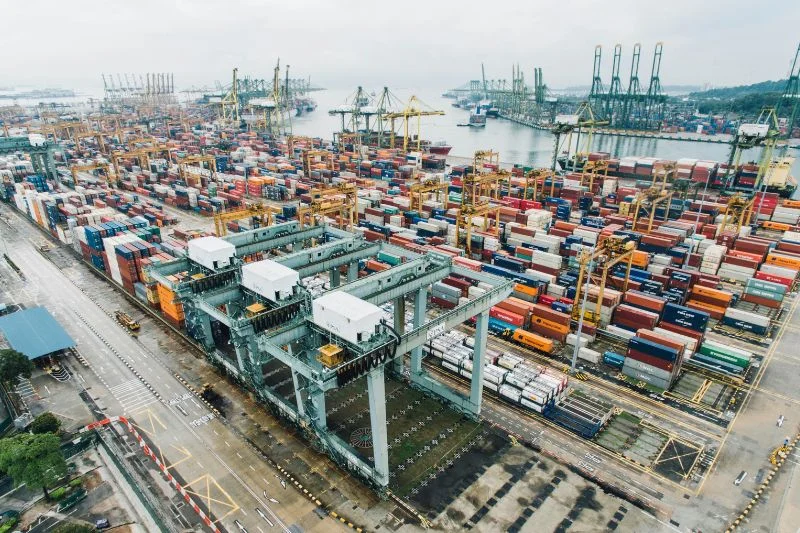
Strait of Hormuz Disruptions and Global Economy: Impact on Trade, Energy and Developing Nations
You don’t need every ship in the world to stop moving for the global economy to feel nervous. Sometimes all it takes is traffic slowing down through one critical waterway, and suddenly the ripple effects show up at gas pumps, in factory costs, and on grocery store shelves thousands of miles away. That’s essentially what’s happening right now in the Strait of Hormuz. As tensions between the US and Iran continue to simmer, ships are moving through this narrow but vital passage in far smaller numbers than usual and the whole world is watching nervously.
Why This Skinny Strip of Water Matters So Much
The Strait of Hormuz links the Persian Gulf to the Gulf of Oman and, beyond that, the Arabian Sea. It’s not a big place on a map, but it punches enormously above its weight economically. Consider this: in the first half of 2025, roughly 20.9 million barrels of oil moved through the strait every single day, according to the U.S. Energy Information Administration. That’s something like a fifth of all the petroleum products the entire world consumes, and about a quarter of all oil that travels by sea globally. When numbers like that are on the line, even a partial slowdown becomes a big deal. Yes, Saudi Arabia and the UAE have built pipelines that skip the strait entirely but those pipelines simply can’t carry anywhere near the volume that normally flows through Hormuz. They’re a backup plan, not a replacement.
What’s Actually Happening Right Now
Ship traffic has genuinely dropped off. Reuters reported that on August 20, tracking data from Kpler showed just nine commodity vessels crossed the strait on two consecutive days, a striking drop that reflects how cautious shipping companies have become. And that number might even be an undercount, since some vessels are reportedly switching off their transponders to stay under the radar. Meanwhile, the U.S. says it’s been actively escorting commercial ships through a safer southern route. U.S. Central Command has stated that roughly 1,300 commercial vessels have been guided through since May, moving more than 660 million barrels of crude. But independent shipping-tracker data suggests the real numbers could be noticeably lower than what’s officially being reported. Here’s the thing, though: even the uncertainty itself is costing money. Shipping companies are paying steeper insurance premiums, dealing with security headaches, and building in extra time for delays and all of that gets baked into the price of moving goods around the world.
The Ripple Effect: Oil, Inflation, and Everyday Costs
The most immediate worry is, unsurprisingly, oil. When traders sense that supply might get squeezed, prices can climb well before any actual shortage shows up. And once oil gets pricier, so does basically everything that depends on transportation which is to say, almost everything. Airlines, shipping firms, factories, and logistics companies all tend to pass those higher costs down the chain, eventually landing on consumers. The timing isn’t great, either. Global trade was already looking uneven, with UN Trade and Development pointing out that rising prices not necessarily rising volumes are driving a lot of the growth in trade value we’re seeing. Add a Hormuz crisis into that mix, and you get a familiar and unwelcome combination: higher inflation paired with slower growth.
The Countries That Can Least Afford This
If there’s a group getting hit hardest by all this uncertainty, it’s developing nations. Many of them rely heavily on imported fuel and simply don’t have the financial cushion to absorb a sudden price spike. When oil prices climb, local currencies often weaken, import bills balloon, and government budgets get squeezed. That usually trickles down into higher transport costs, which then shows up in food prices and the cost of basic goods. For countries already dealing with heavy debt, high inflation, or thin foreign-currency reserves, another oil shock could force some genuinely difficult tradeoffs to protect consumers now, or protect the country’s finances for later. The International Energy Agency and other analysts have long pointed out how quickly geopolitical flashpoints like this one can destabilize oil supply and pricing.
So What Happens From Here?
A lot depends on how long this drags on. If shipping traffic gradually normalizes, some of the pressure on oil prices, insurance costs, and freight rates should ease off naturally. But if this turns into a prolonged standoff, don’t be surprised if companies start rethinking their supply chains altogether with new routes, new energy strategies, and less reliance on any single choke point. For everyday people, the takeaway is pretty simple, even if it doesn’t feel that way: a strip of water on the other side of the world, one most people couldn’t point to on a map, can end up shaping what you pay at the pump and the checkout line. This isn’t just a regional security story. It’s a global economic one and the countries with the least cushion may end up absorbing the biggest hit.
FAQ
Why does the Strait of Hormuz matter so much?
It’s one of the world’s most important energy chokepoints. A huge share of global oil shipped by sea passes through it.
How do disruptions there affect fuel prices?
Uncertainty around oil supply tends to push crude prices up, which raises fuel and transport costs downstream.
Why are developing countries especially exposed?
They typically import most of their energy and have less financial flexibility to absorb sudden cost spikes.
Can oil skip the strait entirely?
Partially. Saudi Arabia and the UAE have pipelines that bypass it, but they can’t handle anywhere near the normal volume.
Could this slow global growth?
Potentially, yes a drawn-out crisis could mean higher inflation, steeper business costs, and softer consumer spending worldwide.
Stay informed with these stories shaping global headlines and raising new questions.
Could Hormuz Tensions Trigger Wider Crisis?
Check out the latest developments surrounding the US naval blockade of Iran and rising Strait of Hormuz tensions.
What Happened to Italy’s Renaissance Treasures?
Uncover the shocking museum heist involving four priceless Renaissance masterpieces stolen from Italy.
Why Did Police Investigate Elderly Man?
Find the details behind the Singapore assault investigation following an elderly man’s interaction with a child.
Why Did Trump Cut Military Exercises?
Browse the latest developments after Trump ordered a substantial reduction in joint military exercises.
What Does France’s Muslim Brotherhood Report Reveal?
Explore France’s new report and the questions it raises about Islamist networks across Europe

