

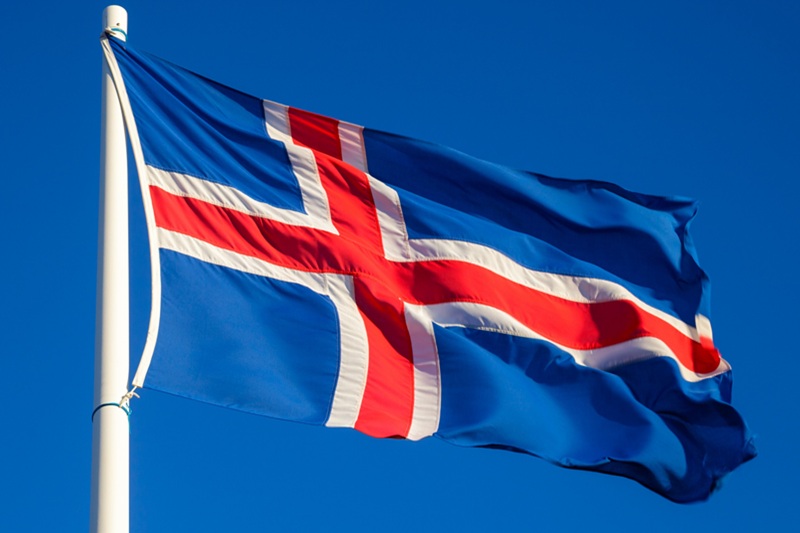
Why Iceland Chose Independence Over EU Integration Amid Growing Arctic Tensions
Iceland is a small country by any measure; fewer than 400,000 people call it home but its latest referendum is being read as a signal well beyond its coastline. On August 29th, voters were asked a fairly narrow question: should the government restart talks on joining the European Union? The answer came back no, though not by much. 52.8% voted against reopening accession negotiations, 47.2% voted in favor, and turnout was remarkably high at 82.5%. This wasn’t a low-stakes, low-turnout vote most of the country weighed in.
It Wasn’t Actually a Vote on Joining the EU
Here’s the nuance that’s easy to miss: Icelanders weren’t voting on EU membership itself. They were voting on whether to resume negotiations toward it. Had the vote gone the other way, actual membership would still have needed a separate referendum down the line. Still, nobody’s pretending this was a minor procedural question. The result reads as a statement, a fairly clear one that a majority of Icelanders think their country is better off charting its own course rather than folding into the EU’s structure.
Fish, Basically
If there’s one issue that decided this vote, it’s fishing. Iceland’s fishing industry isn’t just an economic sector, it’s woven into how the country sees itself. Reuters has estimated it makes up around 15% of GDP and close to 40% of export revenue. Those aren’t numbers a country hands over lightly. The fear among EU-skeptical voters was straightforward: join the EU, and Brussels gets a say in fishing quotas that Reykjavik currently controls outright. For a lot of Icelanders, that was a non-starter.
Iceland Isn’t Actually Isolated From Europe
What makes this vote interesting is that it’s not really a story about Iceland pulling away from Europe. The country already has one foot firmly inside the European system. Through the European Economic Area (EEA), Iceland gets access to the EU single market. Through Schengen, its citizens travel passport-free across most of the continent. In other words, Iceland already enjoys a lot of what EU membership would offer without the parts of membership that would mean giving up control. That existing arrangement became the strongest argument for the “No” campaign: if the current setup already works, why risk it?
The Arctic Backdrop Changed the Conversation
This referendum didn’t happen in a vacuum. The Arctic has become a genuinely contested space strategically valuable for its resources, its shipping routes, and its location, and increasingly relevant to global security calculations. Russia’s war in Ukraine pushed European countries to rethink their defense posture generally, and Donald Trump’s repeated interest in Greenland has put a spotlight on the North Atlantic that wasn’t there a decade ago. Supporters of restarting EU talks tried to use that backdrop to their advantage, arguing that deeper European integration would give Iceland more security, both economically and politically. It didn’t land. Iceland already leans on NATO, its relationship with the U.S., and the EEA for most of its security and economic needs and Prime Minister Kristrún Frostadóttir has acknowledged that a lot of voters are simply comfortable with that arrangement as it stands.
What Changes Now? Probably Not Much Yet
In practical terms, Iceland’s relationship with Brussels isn’t going to shift dramatically in the near term. But politically, this vote matters. Iceland first applied for EU membership back in 2009, in the aftermath of its financial crisis, and negotiations dragged on until they were shelved in 2013. This referendum effectively closes that chapter for as long as the current government is in charge. For the EU, it’s a quiet setback and another sign that even a wealthy, stable European democracy isn’t necessarily sold on full membership, at a moment when the EU would love to be extending its reach into Arctic affairs.
Stay informed with the latest stories making headlines worldwide.
Could Typhoon Narra Worsen China Floods?
Check out how Typhoon Narra is affecting southern China and displacing thousands.
Can Pakistan-Iran Talks Bring Peace?
Find out how Pakistan-Iran talks are progressing toward regional peace and stability.
Why Is Saudi Arabia Investing Near Paris?
Uncover Saudi Arabia’s $7 billion plan to build three theme parks near Paris.
How Did Death Valley Turn Deadly?
See what happened when a French tourist became stranded in extreme Death Valley heat.
Will Pakistan-Iran Talks End Conflict?
Track down the latest developments as both sides push to resolve the regional conflict.
The Real Story: Control, Not Rejection
Strip away the geopolitics and the fishing quotas, and this vote comes down to one question: how much control does Iceland want to hand over? The answer, for now, is: not much more than it already has. Icelanders aren’t turning their backs on Europe. They’re sticking with a formula that’s worked for them: close cooperation, shared markets, open borders while drawing a line at full political integration. Given how much is shifting in the North Atlantic right now, that’s not a small decision. It’s one that could define Iceland’s footing in the region for years.
FAQ
Did Iceland vote against joining the EU?
Not exactly voters rejected restarting accession talks. Full membership would require a separate referendum.
Why the opposition to EU membership?
Mainly fishing rights, sovereignty, and control over key economic resources.
Is Iceland an EU member?
No. It’s part of the EEA and Schengen area, but not the EU itself.
Why does Iceland matter strategically?
Its North Atlantic location makes it important for Arctic security, NATO, shipping routes, and broader geopolitical competition.
Could Iceland join the EU later?
This vote makes it unlikely in the near future, but a future government could reopen the question.

