

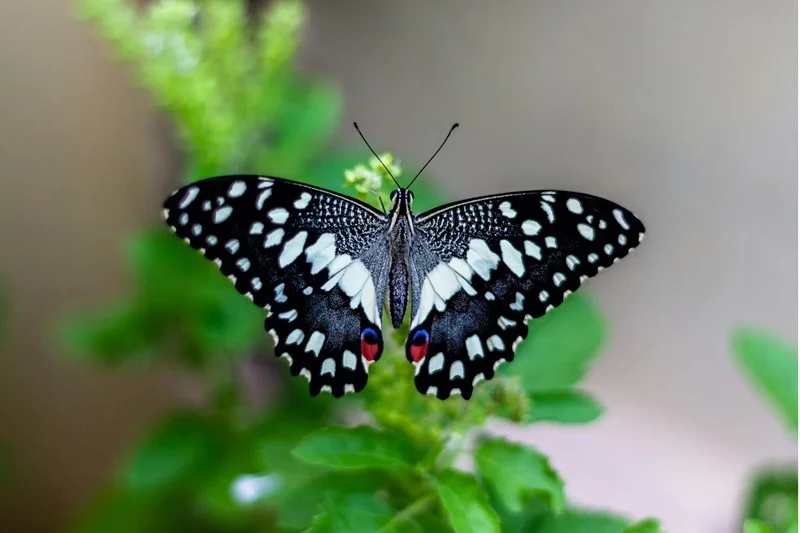
Butterfly Populations Could Crash After Extreme Weather, Conservationists Warn
This summer’s butterflies looked like a comeback story. Gardens buzzed with more wings than they’d seen in years, and volunteers across the UK logged some of the best counts in nearly two decades. But scientists studying the numbers say the celebration might be premature. Behind the bright wings and sunny skies, they’re seeing warning signs of a butterfly population crash that could unfold over the next year or two.
A Deceptively Good Summer
The UK’s Big Butterfly Count, run by the charity Butterfly Conservation, wrapped up its 2026 season with striking results. In Devon alone, nearly 5,000 volunteers recorded over 77,000 butterflies and day-flying moths. Cornwall added another 47,000-plus sightings. Nationally, it was the second-best year in the 16-year history of the count. Warm, sunny weather is exactly what adult butterflies want for flying, feeding, and breeding. That’s the good news. The bad news is buried in the same data.
Why Conservationists Are Worried
The problem isn’t this summer’s adult butterflies, it’s what they left behind. The extreme heat left many host plants withered or dead before caterpillars finished feeding on them, and the fallout may not show up until 2027. Richard Fox, head of science at Butterfly Conservation, said adult butterflies enjoy hot weather, but the pattern could be setting up a population crash. He’s not speaking hypothetically, the UK has been here before. Fox pointed to the severe droughts of 1976 and 1995, both of which hit butterfly populations hard, and some species never fully recovered. That history matters because roughly 80% of the UK’s butterfly populations have already declined since the 1970s. A species already stretched thin has far less room to absorb another shock.
The Global Picture Isn’t Any Brighter
This isn’t just a British story. In the United States, a major study published in the journal Science found 33% of the 342 butterfly species tracked over two decades showed significant declines, with far more species falling then rising.
Weather-related site coverage has echoed the same concern, noting U.S. butterfly populations have dropped 22% over 20 years, with extreme heat named as one of the drivers. Butterflies are cold-blooded, so they do best between roughly 75 and 84°F, and once temperatures climb past 91°F, their metabolism, immune systems, and reproduction start breaking down. Researchers in Pakistan have documented an even sharper effect: during extreme heat, some butterfly life cycles have been cut nearly in half, down to just 15 to 20 days.
Why This Actually Matters to You
It’s tempting to file this under “sad but small.” It isn’t. Butterflies pollinate crops and wild plants, and they sit near the bottom of countless food chains birds, bats, and other insects depend on them. Scientists also treat butterflies as an early-warning system for the broader health of ecosystems, precisely because they respond so quickly to heat and drought. If butterfly populations are struggling this visibly, it’s a signal that other, less-watched insect groups are likely under similar stress.
Explore the latest Trump moves shaping global politics, energy, and security.
Who Will Trump Send Abroad Next?
Check out the latest ambassador appointments and their potential diplomatic significance.
Could Venezuela’s Oil Transform America’s Energy Future?
Find out what the reported oil deal could mean for U.S. energy strategy.
Why Did Trump Cut Military Exercises?
Uncover the details behind the substantial reduction in joint military exercises.
Why Did Netanyahu Reject Trump’s Gaza Plan?
Dive into the key disagreements surrounding the proposed 15-point Gaza plan.
Can Trump’s Gaza Deal Survive Spoilers?
Look into the challenges that could affect the agreement and prospects for lasting peace.

