

What Is Kratom? Why the ‘Gas Station Heroin’ Label Is Raising Alarm Among US Officials
Walk into almost any gas station in America and you’ll probably spot it: little bottles and shiny packets lined up near the register, promising energy, pain relief, or a natural way off opioids. It’s called kratom, and lately it’s earned a much scarier nickname “gas station heroin.” That label isn’t just tabloid drama. It’s coming from doctors, lawmakers, and federal regulators who say this unregulated plant product is quietly fueling addiction, hospital visits, and even deaths.
So What Exactly Is Kratom?
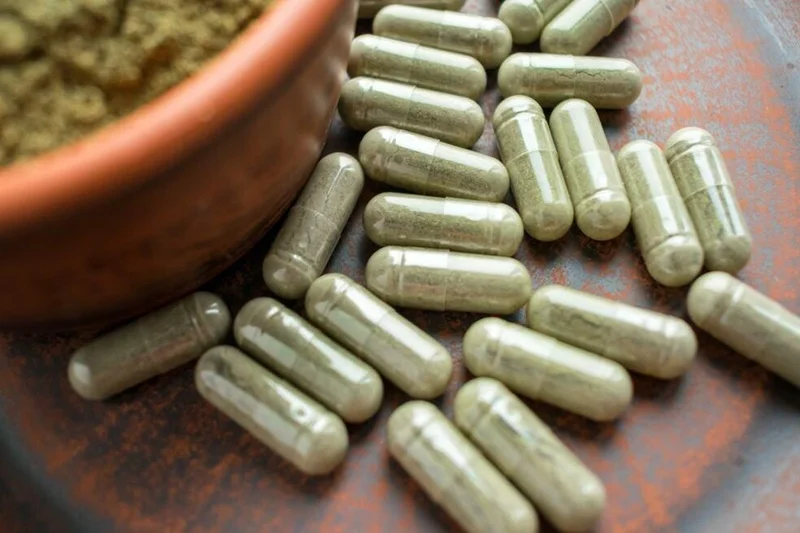
Kratom comes from the leaves of a tropical tree native to Southeast Asia technically a cousin of the coffee plant, not an opioid at all. But its chemistry tells a different story. Its main active compounds, mitragynine and, in much smaller amounts, 7-hydroxymitragynine, act on the same opioid receptors in the brain as heroin and morphine. At low doses it can feel stimulating; at higher doses, it mimics an opioid high. It’s sold as powders, capsules, gummies, and liquid “shots,” and it’s marketed as an herbal supplement for energy, mood, and pain relief, or even as a tool for opioid withdrawal despite the FDA never approving it for any medical use.
Why “Gas Station Heroin” Specifically?
The nickname really centers on one compound: 7-OH, short for 7-hydroxymitragynine. In raw kratom leaf, 7-OH exists only in trace amounts. But manufacturers now concentrate or synthesize it into far more potent tablets, gummies, drink mixes, and dissolvable strips. Unlike the plant it comes from, this synthetic form is a full opioid agonist, estimated to be several times stronger than morphine, carrying real risks of respiratory depression, fast-building tolerance, and dependence within weeks. That’s a very different product from a cup of kratom tea and critics say most buyers have no idea which one they’re picking up off the shelf.
The Regulatory Tug-of-War
The government’s response has been messy, to put it mildly. In mid-2025, the FDA recommended classifying 7-OH as a Schedule I controlled substance in the same category as heroin, sending the matter to the DEA for review. As of late September 2026, the DEA has filed intent to schedule concentrated products like 7-OH and related compounds, and momentum is building for action. But here’s the catch critics keep pointing to: the crackdown only targets 7-OH, leaving mitragynine the opioid most abundant in ordinary kratom completely unregulated, and kratom itself still sitting on shelves. Advocacy group Public Citizen has publicly called on the DEA to regulate both compounds, not just one. Meanwhile, states aren’t waiting around. Utah banned kratom sales in gas stations and convenience stores outright in March 2026, and Kansas City passed a local ordinance restricting synthetic 7-OH products earlier that year. At least eight states including Alabama, Arkansas, Indiana, and Wisconsin have banned kratom entirely.
The Human Cost Behind the Headlines
Numbers tell part of the story: kratom-related calls to US poison control centers jumped roughly 1,200% between 2015 and 2025, topping 3,400 calls last year alone. But the personal accounts are what’s landing hardest. One Ann Arbor physician described patient withdrawal from kratom as feeling like “the worst flu of your life, times ten.” A Missouri treatment center recently echoed that, with a doctor there saying some patients find quitting kratom harder than quitting a traditional opioid. Deaths tied to kratom use, including cases involving college students, have also made headlines this year though officials note toxicology results often take time and other substances are frequently involved.
Why This Story Matters Right Now
This isn’t just a niche supplement debate. It’s a case study in how a substance can slip through regulatory cracks for years sold legally, taxed in some states, and marketed as “natural” while quietly building an addiction and overdose problem that mirrors the early days of the opioid crisis. Until federal rules catch up, the responsibility largely falls on individual states, and on consumers themselves, to understand what they’re actually buying at the checkout counter.
FAQs
Is kratom currently illegal in the US?
Not federally. It remains legal in most states, though at least eight states have banned it outright and others restrict sales or age limits.
What’s the difference between kratom and 7-OH?
Kratom is the raw plant leaf; 7-OH is a compound found in tiny amounts naturally but sold in concentrated, synthetic form that’s far more potent and opioid-like.
Can you overdose on kratom?
Deaths have been linked to kratom, though usually involving other substances. Concentrated 7-OH products carry a higher, more opioid-like overdose risk.
Explore the latest Trump moves shaping global politics, energy, and security.
Who Will Trump Send Abroad Next?
Check out the latest ambassador appointments and their potential diplomatic significance.
Could Venezuela’s Oil Transform America’s Energy Future?
Find out what the reported oil deal could mean for U.S. energy strategy.
Why Did Trump Cut Military Exercises?
Uncover the details behind the substantial reduction in joint military exercises.
Why Did Netanyahu Reject Trump’s Gaza Plan?
Dive into the key disagreements surrounding the proposed 15-point Gaza plan.
Can Trump’s Gaza Deal Survive Spoilers?
Look into the challenges that could affect the agreement and prospects for lasting peace.

