

10 Countries with the Strictest Internet Laws as of 2025
In the digital age, where free expression and information exchange are considered fundamental rights, many governments continue to tighten their grip on internet use. Across the world, some authoritarian regimes and increasingly assertive governments are using sophisticated legal frameworks and surveillance technology to censor, control, curb and monitor their citizens’ online behavior.
Top 10 Countries with the Strictest Internet Laws
1. China
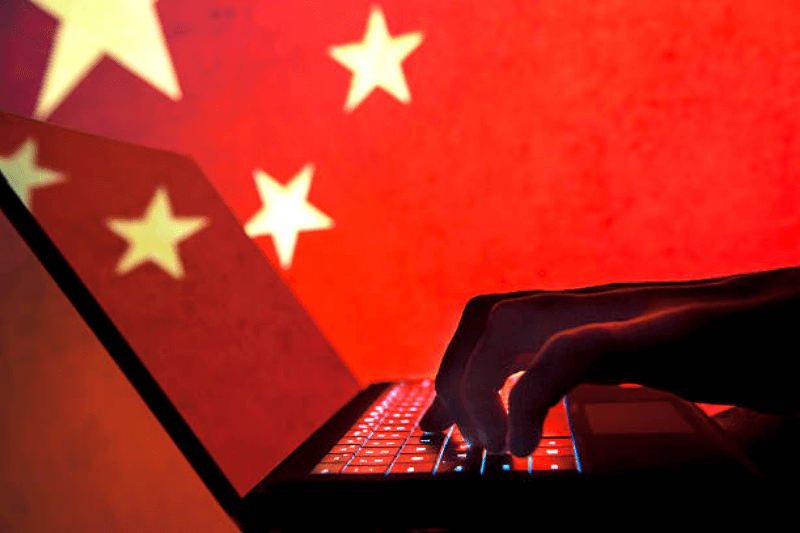
China’s “Great Firewall” enforces total control over web content, tightly surveils citizens via AI-facial recognition and employs censorship and propaganda to suppress dissent.
- Great Firewall blocking foreign platforms
- AI surveillance and content removal
- Exported digital repression to other countries
2. Myanmar
Myanmar’s 2025 Cybersecurity Law bans unauthorized VPNs, mandates data retention, and gives sweeping powers to the junta to filter or shut down online services.
- Cybersecurity Law No. 1/2025 limits VPNs
- Requires data retention up to 3 years
- Broad content censorship powers
3. Iran
Iran criminalizes VPN usage, blocks social media and news, and drives nearly 90% of its population to covert circumvention tools just to access basic online services.
- Criminalization of unauthorized VPNs
- Heavy social media and news censorship
- 90% VPN usage among population
4. Russia
Russia now fines individuals for searching “extremist” content, bans VPNs, nationalizes platforms, and uses deep packet inspection to tighten digital surveillance.
- Fines for searching extremist content
- VPN restrictions and nationalization of tech
- DPI censorship tools
5. Vietnam
Vietnam enforces stringent data localization, penalizes online dissent with prison terms, and uses a cyber army to clamp down on user-generated political content.
- 2019 Cybersecurity Law requiring local data storage
- Jail terms for bloggers and dissenters
- State cyber force “Force 47”
6. Saudi Arabia
Saudi Arabia restricts content deemed immoral or critical, bans VPNs and torrenting, and licenses online forums while surveilling users to protect traditional values.
- Bans on pornography, gambling, extremist sites
- VPN and torrenting restrictions
- Licensing of blogs/forums
7. Pakistan
Pakistan intermittently blocks thousands of URLs, often without transparency, including during elections. It restricts content critical of the state, judiciary, or religion.
- 900,000 URLs blocked
- Temporary social media shutdowns before elections
- Blocking “blasphemous” or anti‑state content
8. North Korea
North Korea enforces near-total digital isolation by controlling all media, prohibiting external internet access, and maintaining propaganda-centric platforms.
- Complete government control of media
- No external internet access
- Propaganda-dominated digital space
9. Cuba
Cuba limits public internet access, monitors users, and restricts dissident content; online services are costly and tightly regulated by the state.
- High internet costs and government filtering
- State-monitored messaging apps
- Limits on foreign media
10. Belarus / Ethiopia (Tie)
Belarus : Belarus imposes severe online monitoring, blocks independent news sites, and cracks down on political expression via digital surveillance.
Ethiopia : Ethiopia regularly implements social media and messaging shutdowns during unrest, controls news flow, and suppresses dissent through digital filters.
- Government-imposed internet blackouts
- State control over telecom infrastructure
- Arrests for online dissent
The internet, once hailed as a tool for global freedom and democratization, is increasingly becoming a controlled and monitored space in many countries. The examples above demonstrate how legal and technological controls can be used to stifle dissent, manipulate narratives, and isolate citizens from the wider world.
As these laws tighten and evolve, global attention must focus on preserving digital freedoms, promoting transparency, and holding governments accountable for online repression.

