

World Bank Warns Commodity Prices Will Jump 23% in 2026: What Gets More Expensive in America?
If your grocery bill and gas receipts have felt heavier lately, you’re not imagining it. According to the World Bank, the pressure isn’t over yet.
World Bank Commodity Prices 2026: The Big Number
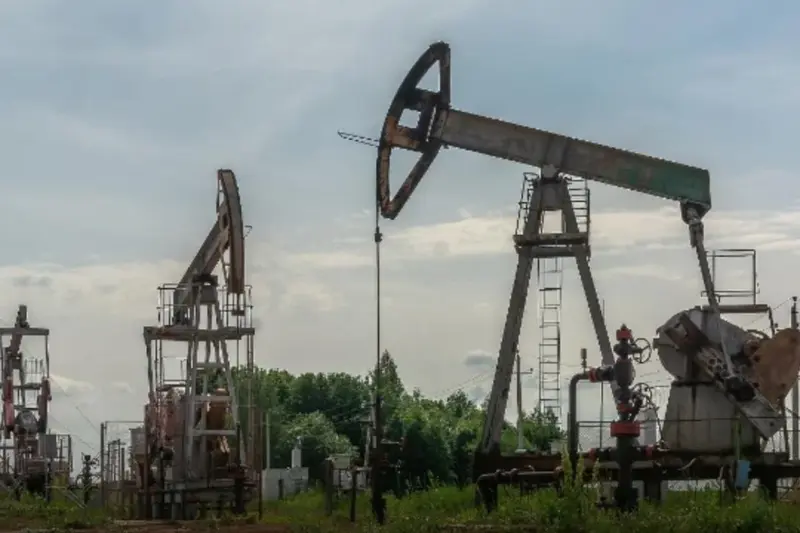
On October 28, the bank sharply raised its outlook. Global commodity prices are projected to surge 23% in 2026, reaching their second-highest level since 2013. Energy prices are forecast to rise 32%, with Brent crude averaging $91 a barrel, up from $69 in 2025.
How We Got Here
A year ago, the picture looked very different. The bank expected prices to fall to a six-year low in 2026, with Brent near $60. Then the Middle East war disrupted shipping through the Strait of Hormuz. Global oil supply is now projected to fall 5.2% this year, the largest contraction in more than four decades outside 2020. Grain shipping problems in the Black Sea and weather shocks added to the pressure.
What Could Get More Expensive in America
The World Bank tracks global markets, not U.S. price tags. What follows is my read of where the squeeze is likeliest to reach households.
Gas and Delivery Costs
Crude oil sets the baseline for gasoline and diesel. Pricier diesel also raises the cost of trucking nearly everything you buy.
Groceries
Fertilizer costs are forecast to rise 14%, and food commodity prices could climb nearly 18% cumulatively through 2027. Farmers pay more to grow food, and shoppers usually feel it at checkout a few months later.
Appliances, Cars and Jewelry
Metals are expected to rise 25%. In April, the bank said copper, aluminium and tin could reach record highs, supported by demand from data centres, electric vehicles and renewable energy. Those metals go into wiring, vehicles and appliances. Gold’s safe-haven rally keeps jewelry costly too.
What Experts Are Saying
Chief economist Indermit Gill has described the war as hitting the economy in waves: first higher energy prices, then higher food prices, and finally higher inflation, which pushes up interest rates. That last step matters for ordinary families, because higher rates make mortgages, car loans and credit cards costlier. Risks remain. Further escalation or adverse El Niño conditions could push food prices 12% above current projections. The bank also warned that depleted inventories leave markets more vulnerable to fresh supply shocks.
Is Relief Coming?
Some, eventually. Overall commodity prices are forecast to retreat 7% in 2027 and 8.8% in 2028 as supply constraints ease, with Brent easing to $79 and then $70. That depends on the conflict not getting worse.
Explore How Global Finance Is Tackling Climate Change, Debt, and Poverty
Can World Bank Reforms Boost Climate Funding?
Discover why the UK is backing World Bank reforms to expand funding for climate action.
Why Is Suriname Facing a Debt Crisis?
How Is Lebanon Expanding COVID Vaccine Access?
Explore how World Bank financial support helped Lebanon advance its COVID-19 vaccination programme.
Can Green Investment Transform the Global Economy?
Will Conflict Leave Millions Poor by 2030?

