

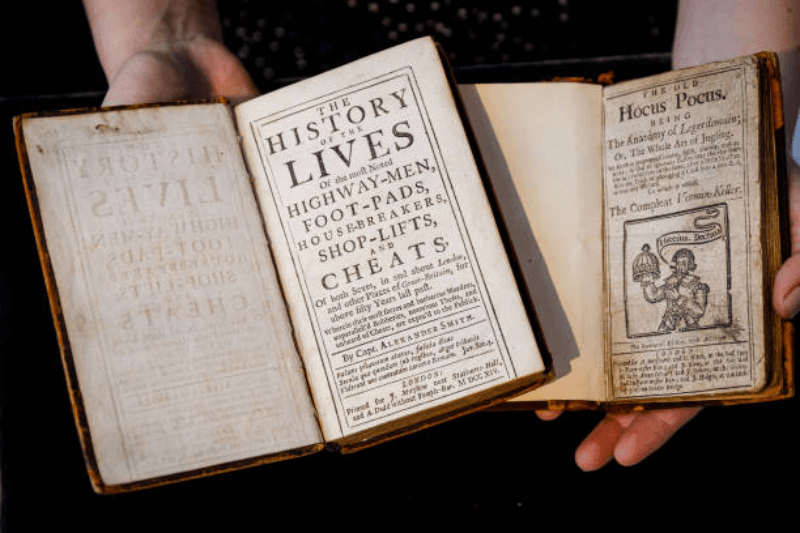
Why a New Book on a 17th-Century Literary Trope is Suddenly Trending in London Cultural Circles
A fresh release exploring a 17th-century literary trope has ignited buzz in London cultural circles. This book revives the 17th-century trope of the “querelle des femmes,” a satirical debate on gender roles in Restoration literature, linking it to modern identity discussions. It came out during the time of the literary life of London in which there were parallels with the contemporary cultural arguments. Book clubs, podcasts, and events in places such as the British Library have helped it grow. Critics laud its untimely brilliance in tropes of such authors as John Dryden. London cultural circles embrace it for bridging eras, making 17th-century trope relevant now.
The 17th-Century Trope Explained
The 17th-century trope centers on character sketches in books like Thomas Tuke’s works, portraying women as inconstant or virtuous extremes. This is a rhetorical tool that stimulated polemics in the Restoration politics of England. It reflected the changes that took place in society after the Civil War and was a combination of satire and philosophy.
Why It’s Trending Now
London cultural circles are captivated by its modern resonance, amid gender and trope debates in media. It is bound to events in the book trade boom of London in the 17th century. Social media exaggerates conversations.
Official Social Media Embed
Check this official post on 17th-century literary culture:

