

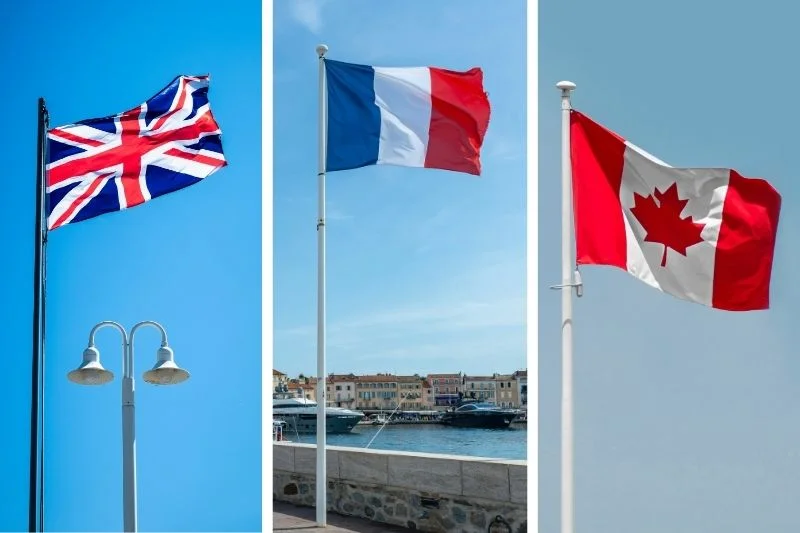
West Bank Settlements Face New Sanctions From UK, France and Canada Amid Rising Violence
The international standoff over Israel’s settlement policy just moved into a tougher phase. On September 8, the UK, France and Canada threw their weight behind new trade restrictions tied to Israeli settlements in the occupied West Bank part of a broader push now involving 12 countries who say things on the ground have gotten too dangerous to ignore.
So what’s actually being restricted?
Britain is planning to ban imports of settlement-made goods and cut off services to settlement-linked businesses such as construction, real estate, infrastructure, financing, even advertising. France and Canada are backing similar restrictions, and a handful of other governments are weighing their own national measures or pushing for action at the EU level. The reasoning these governments give is straightforward: continued settlement growth is squeezing the life out of any realistic two-state solution.
Why now?
Settlements have been a flashpoint since Israel took the West Bank in the 1967 war. Most of the international community views them as illegal under international law; Israel rejects that framing entirely and treats the territory as disputed rather than occupied.
But this latest round isn’t just about construction, it’s about a spike in violence from extremist settlers targeting Palestinian homes, farmland and communities. Back in June, the UK, France and Canada had already coordinated sanctions, asset freezes, travel bans against individuals and groups accused of funding or fueling that violence. This is essentially the next step.
The E1 project is a particular sore point
One project drawing specific criticism is E1, a settlement development near Jerusalem. Critics argue it would carve up the West Bank in a way that makes it much harder for Palestinians to move between different areas, effectively undermining the geographic basis for a future state. The 12 countries called the overall situation “rapidly deteriorating,” citing both settlement expansion and what they described as unprecedented settler violence.
Israel isn’t taking this quietly
Israel has pushed back hard, calling the sanctions an unfair intrusion into its internal affairs. The fallout with Britain in particular has gotten ugly Israel says it will close the UK consulate in East Jerusalem and impose restrictions on British officials in response. That said, the reaction inside Israel isn’t uniform. Some former officials, academics and public figures have actually welcomed the pressure, arguing that curbing settler violence is in Israel’s own long-term interest.
More Stories Worth Exploring
What Makes Eton So Prestigious?
Discover Eton’s elite legacy and famous alumni.
Why Did Allies Condemn Israel?
Check out the latest Gaza aid probe tensions.
How Is Climate Fueling Bordeaux Fires?
Uncover why France faces increasingly severe fire seasons.
Is Zidane Ready For France?
Find out about Zidane’s new role with Les Bleus.
Why Is Meta Investing In Alberta?
Explore Meta’s massive Canadian AI infrastructure plans.
Will it actually change anything?
Economically, probably not much settlement goods are a tiny slice of Israel’s overall exports. But the symbolic and diplomatic weight is bigger than the trade numbers suggest. Businesses tied to settlements may start losing access to European markets, and banks could get more cautious about financing anything settlement-related. The bigger story here is that criticism of settlement policy is no longer confined to a small group of governments; it’s becoming a broader, more coordinated international stance. Whether that translates into actual policy change depends largely on what happens next: if construction and violence continue unchecked, expect calls for even tougher measures.
FAQ
Why are the UK, France and Canada doing this?
They argue settlement expansion and settler violence are eroding the chances of a two-state solution and destabilizing the region.
Are the settlements legal?
Most of the international community says no. Israel disagrees and disputes that characterization of the territory.
What’s E1?
A planned settlement project near Jerusalem that critics say would fragment the West Bank and block territorial continuity.
Will this hurt Israel economically?
Not dramatically but settlement-linked businesses could lose access to key overseas markets.
Could more countries jump in?
Likely. Several of the 12 countries behind the September 8 statement signaled they may adopt their own national restrictions or push for coordinated EU action.

