

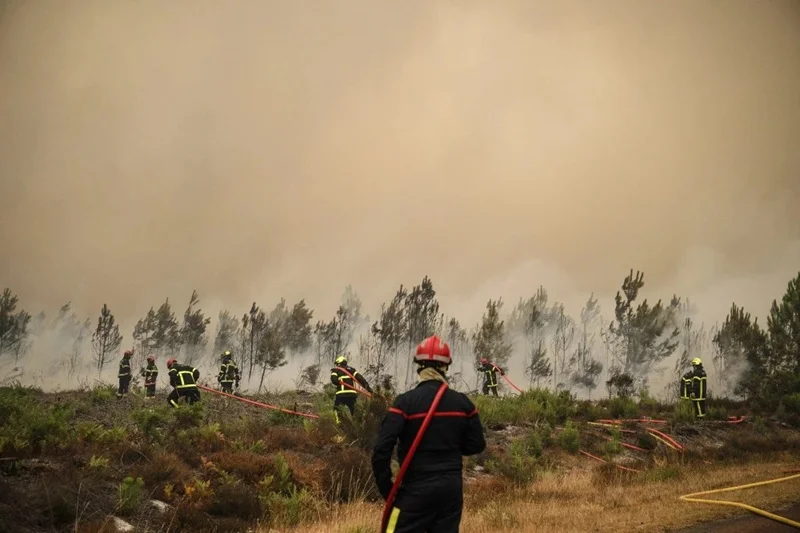
Climate Change and the Bordeaux Wildfire: Why France Is Facing More Severe Fire Seasons
France’s fight against wildfires is entering a dangerous new phase. Flames are creeping closer to Bordeaux, one of the country’s most iconic cities, and scientists and emergency officials say this is no longer just another summer fire. But it’s also a symptom of a growing trend fueled by climate change, extended heat waves and drier conditions that are transforming parts of France into hazardous regions prone to wildfires. The story of climate change and the Bordeaux wildfire is a sobering reminder that Europe’s climate crisis is no longer something to worry about in the future, it’s happening now.
Why the Bordeaux Wildfire Is Raising Alarm
Authorities are closely monitoring conditions as firefighters battle a large wildfire burning near Bordeaux that has been fanned by hot temperatures, strong winds and very dry vegetation. The fire came within miles of the city, sparking increased emergency preparations and concerns for neighboring communities, local officials said. French firefighters have learned lessons from devastating fires in recent years but the current situation shows how quickly extreme weather can overwhelm even well-prepared emergency services. Officials are still monitoring changing wind patterns as they work to protect homes, forests and critical infrastructure.
How Climate Change Is Making Wildfires Worse
Experts say climate change is creating the perfect conditions for bigger, more destructive wildfires. Over the last few decades, average temperatures in Europe have been on the rise. Meanwhile, extended droughts and more frequent heatwaves are parching forests, grasslands and farmland, turning the vegetation into highly combustible fuel. When strong winds are added to these conditions, even a small spark, such as from lightning, machinery, or human activity, can rapidly escalate into a large wildfire. Climate change doesn’t directly start fires, but scientists say it makes them much more likely to get bigger, spread faster and be harder to contain.
France’s Fire Seasons Are Getting Longer
Historically, the most dangerous time for wildfires in France was in the hottest weeks of summer. That pattern is falling apart. In recent years, fires have been starting earlier in the season and continuing later into the autumn. Southern France has always been the highest risk area for wildfires, but areas that used to be considered relatively safe, including around Bordeaux, are now seeing more large fires. The expanding fire season has prompted authorities to re-assess emergency planning, forest management and disaster preparedness. Climate scientists say if greenhouse gas emissions don’t fall significantly, Europe could see even more extreme fire seasons in the years ahead.
Keep Reading: Discover More Expert Insights, Health Breakthroughs & Inspiring Stories
1. What Drives Your Best Performance?
Discover your motivation type and learn practical ways to boost productivity, career growth, and long-term success.
2. Could Insulin Pills Change Diabetes?
Explore the latest research on insulin pills and what doctors say about the future of Type 1 diabetes treatment.
3. How Did She Lose Weight?
Check out how this influencer lost 15 kg, maintained it for five years, and still enjoyed pizza and burgers.
4. Why Is Vikram-1 Historic?
Explore how Skyroot’s Vikram-1 launch marked a major milestone in India’s private space journey.
5. Are You Protecting Your Hearing?
Discover simple daily habits that can help prevent hearing loss and support better hearing for years to come.
Economic and Environmental Impact
Wildfires leave more than just charred forests. They damage homes, businesses, vineyards, tourism, agriculture and transportation networks.” The smoke also pollutes the air, which can be dangerous to children, older adults and people with respiratory problems. Environmental impacts can persist for years. Burnt forests release huge quantities of stored carbon dioxide into the air, destroying habitats for wildlife and decimating biodiversity. Even fires near places like Bordeaux, which is renowned internationally for its wine industry, can impact vineyards through smoke exposure, logistical challenges and less tourism.
FAQs
1. Why does the wildfire in Bordeaux matter?
The wildfire has spread to one of France’s largest cities, showing how climate change is bringing wildfire risks to places where they have not traditionally happened.
2. How does climate change impact wildfires?
Climate change means fires are easier to spark and much harder to control, with hotter temperatures, longer droughts and drier vegetation.
3. Has France seen more wildfires than before?
Yes. According to scientists and officials, the wildfire season is becoming longer and larger fires are occurring more frequently in various regions of France.
4. Would wildfires affect Bordeaux’s wine industry?
Yes. Smoke, damaged infrastructure, reduced tourism and transportation disruptions can negatively affect vineyards and wine production.

