

US-China Trade Tensions in 2026: Five Industries That Could Feel the Impact
The soybeans in an Iowa field, the phone in your pocket, the sneakers on your feet. All of them sit somewhere inside the US-China trade tensions that have shaped 2026. With a fragile truce nearing its deadline, the next few days could matter to ordinary wallets.
Where the Talks Stand
Washington and Beijing held their first trade council meeting on Friday. China’s Commerce Ministry described the exchanges as frank and constructive, but did not say whether any agreement was reached.
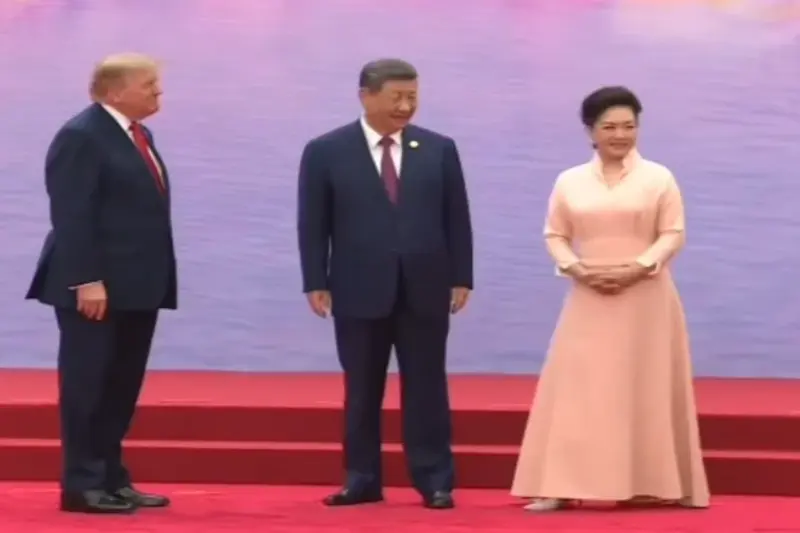
Next up, the White House says Trump will meet Xi on Thursday at the APEC forum in Shenzhen.
How We Got Here
The current calm dates back to the leaders’ October 2025 meeting in South Korea. Trump had threatened an extra 100 percent tariff over China’s rare earth restrictions. The deal then cut the existing tariff rate on Chinese goods from 20 percent to 10 percent. Even so, Chinese goods still faced a total duty burden of about 47%.
More recently, China extended its suspension of a 24% tariff on US goods by two months.
Five Industries That Could Feel the Impact
1. Agriculture
Farmers are first in line. A proposed $60 billion package of reciprocal tariff cuts still isn’t finalized. A Reuters analysis found Chinese purchases of US farm goods other than soybeans are on track for a seven-year low. In farm country, that kind of uncertainty can hit income hard.
2. Technology and Electronics
Rare earths go into everything from smartphones to electric-vehicle motors. US officials have been pressing China to meet its rare earth commitments. Any new squeeze could show up in gadget prices.
3. Retail and Fashion
Clothing and consumer-goods brands lean heavily on Chinese factories. When duties rise, the cost usually travels down the chain to the price tag.
4. Shipping and Logistics
Tariff swings make it hard to book cargo months ahead. One trade-law briefing on the truce noted that it also touched shipping fees and export restrictions, so logistics firms are watching closely.
5. Manufacturing
Factories that depend on Chinese parts face the same guessing game. Business observers warn that tariff terms will likely be renegotiated every year, leaving companies little visibility.
Explore the US-China Rivalry Reshaping Technology, Trade, and Global Relations
Could Chip Export Curbs Reshape Global AI?
Which Industries Face the Next Disruption?
Can America Break Its Rare Earth Dependence?
What Does China’s Taiwan Message Signal?
Why Are Giant Pandas Returning to Atlanta?

