Iran Attacks Bahrain and Kuwait: What the Latest Gulf Escalation Means for US Security
Sirens wailed across the Gulf again on Wednesday. Iran attacks Bahrain and Kuwait once more, and the fighting is landing uncomfortably close to American forces based there.
What Happened Overnight
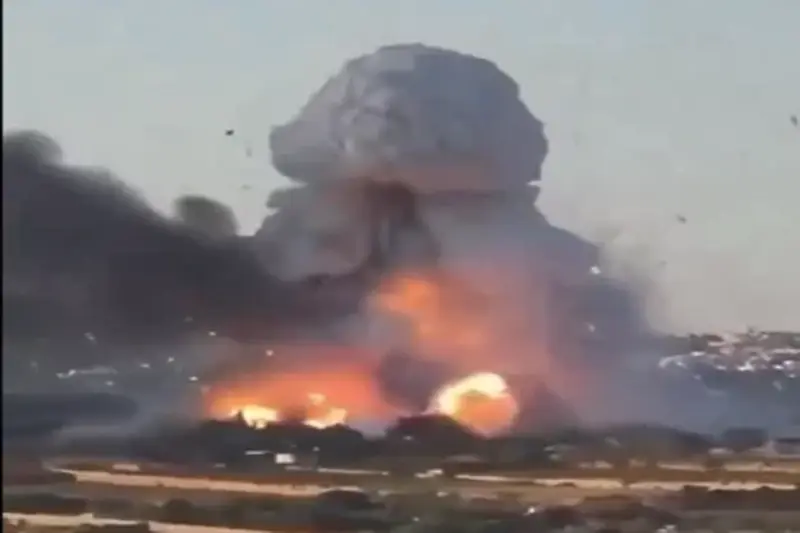
Bahrain and Kuwait reported fresh aerial attacks early Wednesday, a day after the US struck an Iranian missile launch site on Qeshm Island. It was Bahrain’s third Iranian drone attack in five days, after several quiet weeks.
Iran’s army said it targeted US drone and missile installations at Kuwait’s Ali Al Salem base. Kuwait called the attacks a dangerous escalation that undermines diplomacy.
A US official described the Qeshm strike as self-defense. He said Iran’s Revolutionary Guards had first targeted a US radar at Bahrain’s Isa Air Base. Claims from both sides are hard to verify. CENTCOM, for example, rejected an earlier Iranian claim of a destroyed radar in Bahrain.
How We Got Here
The war began on February 28. A ceasefire followed in April and a memorandum to end the war in June. The ceasefire collapsed on July 8, after Iran attacked commercial vessels in the Strait of Hormuz.
Why It Matters for US Security
Bahrain and Kuwait are small, but they are strategic. Bahrain is home to the US Navy’s 5th Fleet. Kuwait also hosts American troops. Iran has justified past attacks by pointing to exactly that.
So even when air defenses intercept every drone, American personnel are the intended target. In my reading, each exchange raises the odds of a deadly miscalculation, because one missed interception could force a much harder US response.
Washington is also adding firepower. A third US aircraft carrier has reportedly entered the region. The war has also been costly. The Pentagon put US military spending at $47.1 billion as of October.
The Human and Economic Cost
Civilians feel this too. Earlier in the conflict, Kuwait reported Iranian attacks on water and electricity plants and oil facilities. Any new disruption around Hormuz, a key oil route, can push up energy prices far beyond the Gulf. Travelers also face sudden airspace closures.
Explore the Rising Gulf Tensions and Their Impact on Global Security, Oil, and Diplomacy
Could Iran-Bahrain Tensions Raise US Gas Prices?
Find out how growing Gulf security concerns could affect American fuel costs and global oil markets.
What Happens After Iran Targets Shipping Systems?
Could South Pars Fire Disrupt Global Energy?
How Are Wars Reshaping US Foreign Policy?
Can Qatar Mediation Ease US-Iran Tensions?