

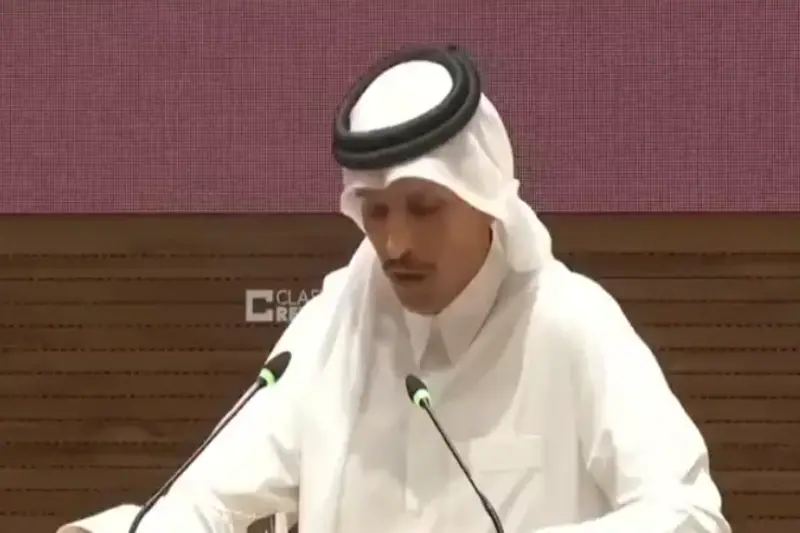
Can Qatar Mediation Help Reduce US-Iran Tensions in 2026?
Imagine the world’s most important oil route held hostage by a political standoff. Now picture the main peacemaker as a small Gulf nation with outsized diplomatic influence. That is the story behind Qatar mediation and US-Iran tensions this year.
How Did We Get Here?
The conflict was launched by the US and Israel in February. A memorandum signed on June 17 briefly calmed oil markets, but fighting over the Strait of Hormuz flared again by July.
Through it all, Qatar has stayed in the room. In late September it confirmed it was relaying messages between the two sides.
The Latest: Talks, Strikes and Stubborn Demands
Qatari mediators flew to Tehran earlier this week to discuss a draft deal. Around the same time, the US carried out what it called “defensive” strikes on Iran’s Oeshm island, which officials described as limited. Iran’s stance is blunt. It says Hormuz stays closed until the US waives oil sanctions, ends its naval blockade and releases frozen funds. Washington hasn’t accepted those terms.
Even so, Qatar says it isn’t giving up. Its foreign ministry spokesperson said both sides are still reviewing the mediators’ proposals.
Why This Matters Beyond the Gulf
Roughly 20 percent of the world’s oil supply normally moves through Hormuz. When talks wobble, fuel prices feel it. In August, Brent crude fell nearly 5% after Qatar and a US official raised hopes of a deal. By late October, oil was on track for a fourth straight monthly gain after a tanker was struck in the strait.
For households in India, Europe or America, that can mean pricier petrol, costlier shipping and stubborn inflation. The Pentagon has also put the war’s cost to US taxpayers at $47 billion.
Can It Actually Work? Our Take
Mediation has limits. Qatar can carry messages and float proposals, but it can’t force anyone to compromise. Talks were reported deadlocked as recently as late September. Still, there are reasons for cautious hope. Qatar talks to both sides, and the June memorandum shows deals are possible. Saudi, Turkish and Pakistani officials have also met Iranian counterparts in Tehran, which adds pressure for a settlement.
The real sticking point is sequence. Iran wants its conditions met before Hormuz reopens or nuclear talks begin. Until someone blinks, Qatar’s shuttle diplomacy buys time rather than peace.
Explore the Global Power Struggles Shaping Oil Prices, Trade, and International Relations
Why Is China Expanding Middle East Diplomacy?
Could US-Iran Tensions Push Oil Higher?
Find out how Brent crude crossing $91 is affecting global oil markets and energy prices.
How Could a Naval Blockade Change Everything?
Could Trump and Xi Reset Trade Relations?
Will Iran’s Tensions Raise American Energy Costs?

