

Could a December ECB Interest Rate Hike Affect Europe’s Economy and Global Markets?
Your mortgage, your savings account, even your weekly grocery bill could shift soon. Europe’s central bank is lining up another ECB interest rate hike, and hardly anyone is betting against it.
Why Is the ECB Raising Rates Again?
Blame energy. The bank has raised rates twice this year to stop an Iran war-driven energy price jump from becoming entrenched. It held them steady in October, but a recent surge in oil and gas prices keeps pushing costs up. Price growth is already twice the 2% target.
Officials say wages haven’t reacted sharply so far. The fear is that they might.
Latest Updates: December Looks Close to Certain
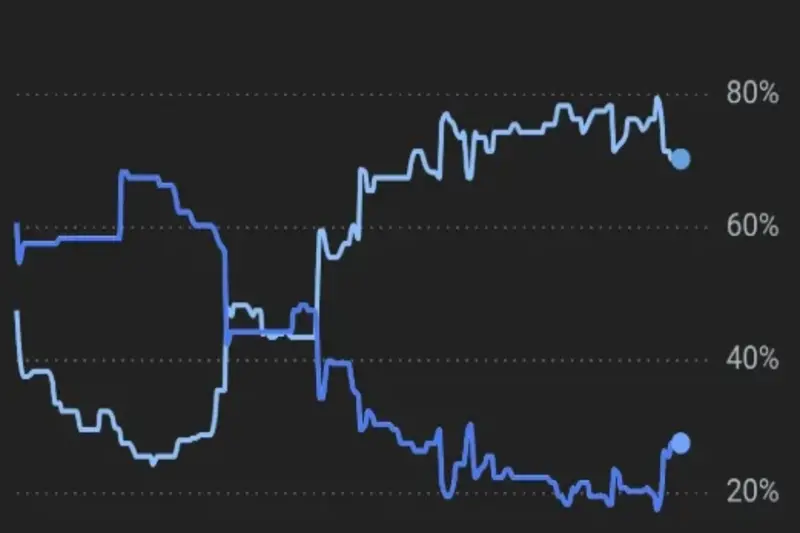
On November 3, Bundesbank chief Joachim Nagel said a December hike is very likely to be necessary. Markets agree. Traders were pricing in a 93.9% chance of a quarter-point increase, according to a Reuters report on Barclays’ outlook.
Reuters sources add that policymakers see a December hike followed by a pause. Most economists polled expect just one or two more hikes before the cycle ends. Nomura’s economists treat December as essentially settled. They think markets are overestimating how much more tightening comes after it. They see a further hike in March 2027, taking the deposit rate to 3.00%.
What It Means for Everyday People
In simple terms, borrowing gets pricier. Variable-rate mortgages and business loans usually track ECB moves, so repayments could creep up. Savers may see slightly better returns. The trade-off is growth. The ECB itself warns that high energy costs pose downside risks to growth. Dearer credit could squeeze household budgets that are already stretched.
The Pressure Point: Heavily Indebted Countries
France now pays a decades-high premium of 155 basis points over Germany to borrow for ten years. That’s 1.55 percentage points. Higher rates make the gap harder to manage. Lagarde has said the ECB has instruments available if bond markets turn disorderly.
Ripple Effects on Global Markets
Currencies come first. Markets also anticipate a US Federal Reserve hike in December. Analysts note that if Fed and ECB expectations move in the same direction, the impact on EUR/USD could remain limited. Stocks are trickier. Higher rates generally weigh on company valuations, especially for growth stocks, while bank shares often benefit. That’s general market logic, not a forecast.
Explore How Global Interest Rate Decisions Shape Your Money, Markets, and Financial Future
Why Is Europe Changing Interest Rates?
How Could China’s Financial Decisions Affect America?
Why Is Japan Keeping Interest Rates Unchanged?
How Will Fed Rates Affect Your Budget?
What Happens When the Fed Raises Rates?

