Iran’s Regional Tensions and Global Oil Markets: What US Consumers Should Watch
You glanced at the gas pump last week and winced. This week, the number might dip a few cents, or it might not. Behind that guessing game is a conflict playing out thousands of miles away.
Why Iran Oil Prices Hit Your Wallet
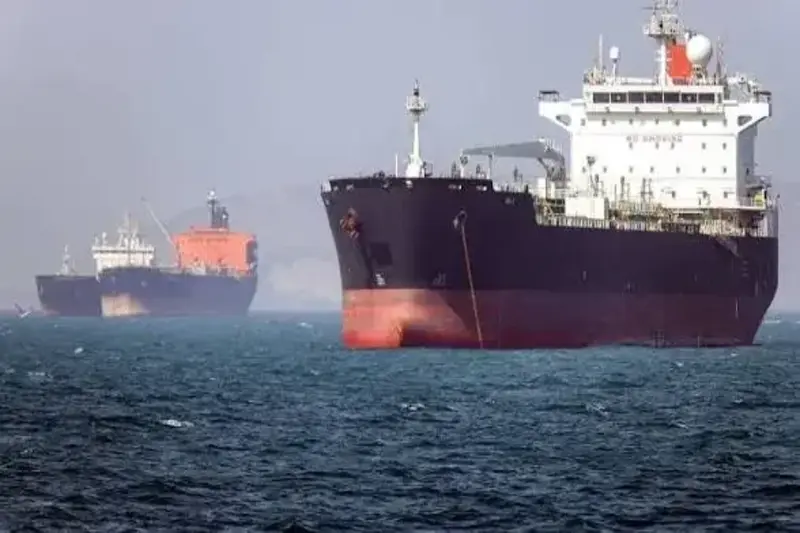
Oil doesn’t have to be pumped in Iran to affect your commute. Brent crude has traded between $72 and $126 a barrel since the war began in late February. Much of that turbulence centers on the Strait of Hormuz, a narrow shipping lane for global energy. Its closure has limited exports.
The Latest: Hope, Then Doubt
Monday brought relief. Brent fell 7.6% to $104.77 after Iran’s president said the supreme leader had authorized the government to pursue peace talks. Tuesday was messier. Brent slipped again to $103.60, but Iran’s foreign ministry said Tehran won’t accept diplomacy based on coercion. Nobody can say where the talks really stand.
The swings have been sharp. Crude gained more than 10% in October as traders braced for escalation. Brent briefly touched $118.
What It Means at the Pump
Regular gasoline averaged $4.17 nationwide Monday, down from $4.40 a month earlier but well above $3.04 a year ago, according to AAA. Diesel sits at $6.29, which matters for anything trucked to your grocery store.
Don’t expect instant savings. The EIA notes that crude moves don’t translate one-for-one into retail prices, and one analyst warned that refined products can stay high long after crude cools.
What the Experts Are Saying
Forecasts are cautious. Goldman Sachs raised its December Brent forecast to $105 and its 2027 average to $88. It also warned of a darker scenario: Brent could reach $140 in 2027 if Gulf output stays 3.5 million barrels a day below 2025 levels.
History urges restraint too. Oil has sold off on settlement rumors before, only for the conflict to escalate and prices to spike again.
Three Things to Watch
- Strait of Hormuz traffic. Reopening would be the clearest sign of real progress.
- Whether talks turn concrete. The market wants more than another round of consultations.
- US inventories. Crude stocks fell 5.27 million barrels last week, far more than analysts expected.
Explore the Oil Price Surge, Middle East Tensions, and Global Energy Market Shifts
Why Is Brent Crude Above $91?
Find out how rising US-Iran tensions are driving oil prices and shaking global energy markets.
Could New US-Iran Strikes Disrupt Global Oil?
Uncover how renewed attacks and Strait of Hormuz risks could threaten global oil supplies.
Why Are Oil Prices Near $110?
Can Saudi Arabia Stabilize Global Oil Markets?
Will Iran-Qatar Talks Lower US Energy Costs?