

US-Iran Tensions Escalate as Washington Vows Indefinite Naval Blockade and More Economic Pressure
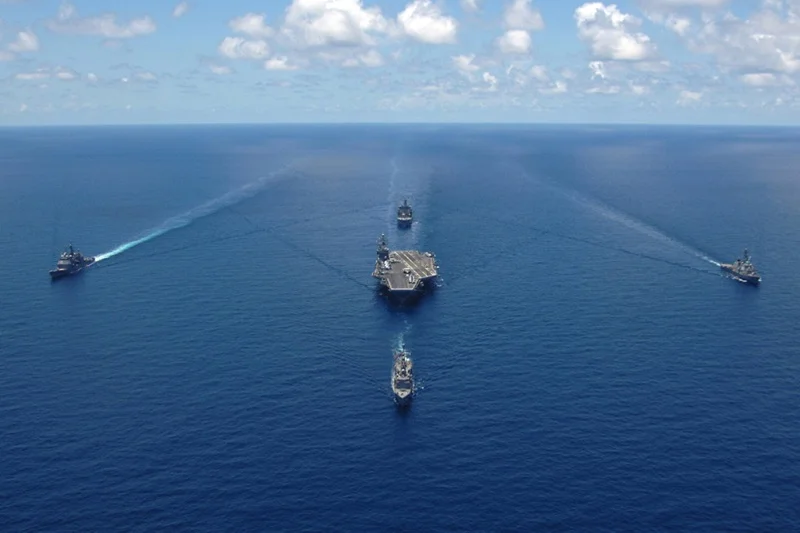
Washington just made something clear: this isn’t going to be over quickly. Defense Secretary Pete Hegseth said Thursday that the US Navy has no plans to wind down its blockade on Iran anytime soon. The plan, as he described it, is simply rotate ships in and out for as long as it takes. No end date, no deadline, no illusions about a quick resolution. That’s a notable shift in tone from earlier framing of this as a short-term pressure campaign, and it tells you a lot about where things stand behind closed doors. Meanwhile, over at Treasury, Scott Bessent is signaling that the economic squeeze on Tehran is about to get tighter, not looser. Between the ships and the sanctions, the strategy has a name now: “maximum pressure,” a phrase the White House has leaned on repeatedly, with President Trump framing it as the only way to keep Iran from ever getting a nuclear weapon while still leaving the door open for a deal.
Why Everyone Should Care About a Narrow Strip of Water
If you’ve never heard of the Strait of Hormuz, here’s the crash course: it’s a narrow channel between the Persian Gulf and the Gulf of Oman, and an enormous share of the world’s oil and gas passes through it. When shipping through that strait gets disrupted which is exactly what’s happening now the effects don’t stay contained to the Middle East. Traffic through Hormuz has already dropped below typical levels for this time of year, with the US and Iran essentially each staking a claim to controlling the waterway. That kind of standoff makes tanker operators nervous, and nervous tanker operators mean higher insurance costs, longer detours, and eventually higher prices at the pump for everyone else.
Iran Is Feeling the Squeeze
For Iran, the blockade isn’t just a symbolic show of force it’s hitting where it hurts. Energy exports are one of the country’s main economic engines, and restricting shipping cuts directly into government revenue. That kind of pressure tends to trickle down fast: currency weakness, inflation, shortages, the things that make daily life harder for ordinary Iranians, not just officials in Tehran. Iran hasn’t been passive about any of this, either. There have been recent incidents involving commercial vessels in the region, the kind of flashpoints that raise the uncomfortable question of whether this stays a two-country standoff or starts pulling in other players.
What’s Making Headlines Around the World?
What Does Todd Blanche’s DOJ Win Mean?
Check out what Todd Blanche’s confirmation could mean for the US Department of Justice.
Why Are Canadians Targeting Hoekstra?
Find out why Canadians are calling for US Ambassador Pete Hoekstra’s expulsion.
How Is Etna Disrupting Malta Flights?
Uncover the latest updates on Mount Etna’s eruption and its impact on Malta flights.
Could New Sanctions Derail US-China Talks?
Browse the latest US-China tensions and how fresh sanctions could affect upcoming negotiations.
What Caused the Statue Boat Tragedy?
See what happened to the boat near the Statue of Liberty and the charges against its captain.
What This Means for the Rest of Us
Here’s the part that matters beyond the geopolitics: oil markets are already twitchy. Prices have moved in response to the tension, even though global demand concerns are muddying the picture too. If the Strait of Hormuz situation drags on or worse, escalating energy-importing economies across Asia and elsewhere could feel real strain, and shipping costs could climb as vessels start avoiding the region altogether.
So What Happens Now?
Right now, the honest answer is: nobody knows. Ceasefire talks have stalled, both sides are holding firm, and the longer that standoff continues, the more the economic and military pressure starts to feed on itself. Washington’s message is unambiguous: they’re prepared to keep this up indefinitely. Whether Tehran’s economy and public patience can absorb that kind of prolonged pressure is the real open question. What’s clear is that this isn’t just a Middle East story anymore. It’s an oil story, a shipping story, and if it drags on a story that shows up on receipts everywhere from gas stations to grocery store shelves.
FAQ
1. Why is the US blockading Iran?
Washington is using the naval blockade as part of its broader strategy to pressure Tehran over security and nuclear-related concerns and to push Iran toward negotiations.
2. Why is the Strait of Hormuz so important?
The strait is a major international route for oil and gas shipments. Disruptions can affect energy supplies, shipping costs and global prices.
3. Can the US really maintain the blockade indefinitely?
US Defense Secretary Pete Hegseth says the Navy can sustain the operation by rotating vessels and crews in and out of the region.

