

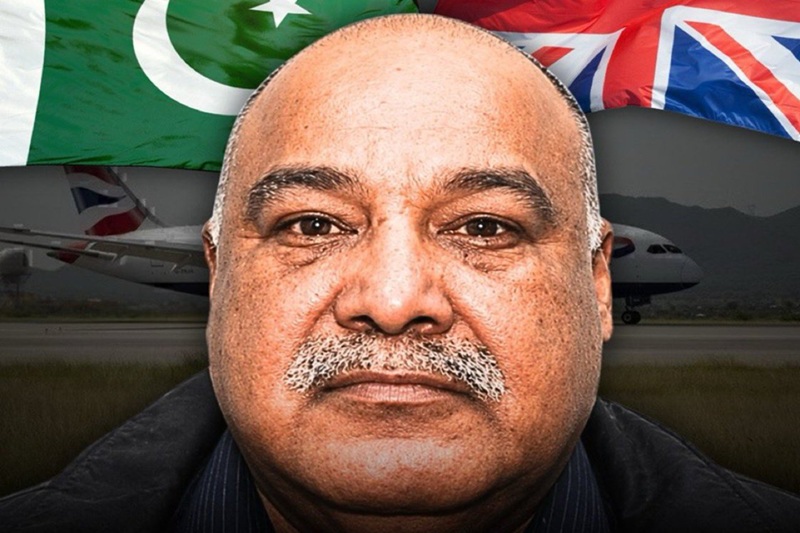
UK–Pakistan Tensions Escalate as Shabir Ahmed Deportation Row Triggers Calls to Suspend £153 Million Aid and Visa Access
Relations between the United Kingdom and Pakistan have once again soured after Islamabad refused to accept the deportation of convicted ringleader of the Rochdale child grooming gang, Shabir Ahmed. The row has created political tensions in Britain, with opposition politicians urging the suspension of the UK’s £153 million aid package to Pakistan and tighter visa restrictions until the country co-operates. The row has quickly moved beyond an immigration case and become a wider test of UK foreign policy, aid spending and bilateral relations.
Pakistan Rejects Deportation of Shabir Ahmed
Shabir Ahmed, who was born in Pakistan and settled in Britain as a teenager, was convicted in 2012 of heading up one of the UK’s most notorious child sexual exploitation gangs. He was jailed for 22 years for multiple rape and child sex abuse offences and released on licence after serving around 14 years under UK sentencing rules. The UK government has been trying to deport Ahmed for nearly a year. But Pakistan has refused the request, saying Ahmed is the responsibility of Britain as he spent most of his adult life in the UK.
“Ahmed was brought up, brought up, groomed and unfortunately spoiled in Britain,” the Pakistan Foreign Office spokesperson said, describing the matter as an internal UK matter. Pakistani officials also argue that Ahmed had abandoned his Pakistani nationality decades ago.
British officials dispute that, saying Ahmed never went through the legal process required by Pakistani law to formally renounce his citizenship.
£153 Million UK Aid Package Faces Political Scrutiny
The row over deportations comes as the UK government has also announced a £153 million three-year development package for Pakistan which has drawn criticism from opposition parties. Critics say British taxpayers should not be asked to continue to support development programmes while Pakistan refuses to co-operate on the return of convicted offenders. But the UK government has always said its aid money is for humanitarian and development projects, not to be used to pay the Pakistani government directly. Parliament has previously said that Official Development Assistance (ODA) is not tied to discussions on deportations.
Politicians Demand Aid and Visa Restrictions
The issue has become a major political flashpoint. Reform UK deputy leader Richard Tice said: “Aid and visas should be stopped immediately until Pakistan takes Ahmed. “No more money should be given while deportation requests are ignored.” Shadow Home Secretary Chris Philp has also called on the government to cut foreign aid and suspend new visas for Pakistani nationals until Islamabad agrees to take back Ahmed and other convicted offenders facing removal. Ministers have not announced such measures but the government has said it is considering all diplomatic options including possible visa restrictions to encourage more cooperation on deportations.
Keep Reading: Discover More Expert Insights, Health Breakthroughs & Inspiring Stories
1. What Drives Your Best Performance?
2. Could Insulin Pills Change Diabetes?
3. How Did She Lose Weight?
4. Why Is Vikram-1 Historic?
Explore how Skyroot’s Vikram-1 launch marked a major milestone in India’s private space journey.
5. Are You Protecting Your Hearing?
Why the Case Matters
The row underscores the broader difficulties the UK faces in removing foreign-born criminals whose nationality or citizenship status is unclear. Even if the UK changes domestic law to get rid of legal blocks to Ahmed’s deportation, it cannot carry out the removal unless another country agrees to accept him. Pakistan’s refusal therefore confronts Britain with considerable legal and diplomatic difficulties. The case has also reignited debate about immigration enforcement, international cooperation, foreign aid policy and whether development funding should be linked to deportation agreements. The row poses questions for Pakistan about its nationality law and diplomatic relations with one of its long-term international partners. It’s another politically sensitive test for Britain of public confidence in the immigration system. As negotiations continue, both governments appear determined to defend their legal positions, leaving one of the UK’s most high-profile deportation cases unresolved.
FAQs
1. What is Shabir Ahmed?
Shabir Ahmed is the convicted leader of the Rochdale grooming gang, jailed in 2012 for numerous child sexual abuse offences.
2. Why is Pakistan not accepting him?
Pakistan says that Ahmed had given up his Pakistani nationality and had spent nearly all his adult life in Britain, making him the responsibility of the UK.
3. What is the UK aid package worth £153m?
It is a three-year UK development assistance programme to Pakistan which funds humanitarian and development projects rather than direct payments to the Government of Pakistan.

