

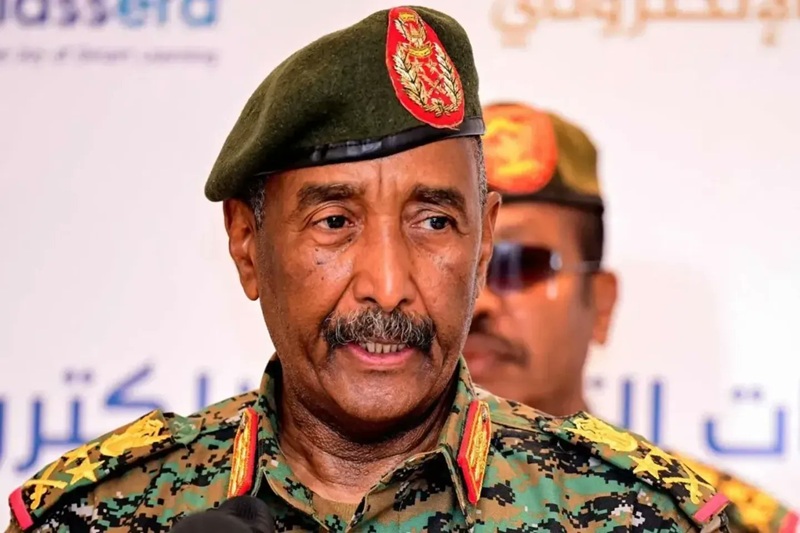
US Rejects Port Sudan’s Denial as Chemical Weapons Allegations Against Sudan’s Military Draw Global Condemnation
International scrutiny has increased over new allegations against Sudan’s military leadership after the United States said it had found the Sudanese Armed Forces (SAF) had used chemical weapons in 2024. The finding has sparked new calls for accountability with Washington dismissing denials by the Port Sudan authorities and calling for compliance with international law. The development adds a new dimension to Sudan’s long-running conflict that has already displaced millions and created one of the world’s worst humanitarian crises. Sudan’s military leadership has denied the allegations, but the U.S. says the evidence supports its conclusion and is urging authorities to work with international obligations rather than brush off the claims.
What Did the United States Announce?
On July 22, 2026, the U.S. government announced its determination that the Sudanese Armed Forces, under the command of General Abdel Fattah al-Burhan, used chemical weapons in military operations in 2024. The alleged use of banned weapons “represents a serious violation of the Chemical Weapons Convention (CWC),” the U.S. The State Department said. In addition, the Bureau of African Affairs rejected a denial of the allegations by the Port Sudan authorities. “Sudan has not acknowledged the alleged violations, has failed to take corrective measures and has not complied with relevant international obligations,” Washington said. The US urged Sudan to cooperate with international mechanisms, and take meaningful steps to address the allegations.
Why Chemical Weapons Allegations Matter
Chemical weapons are prohibited under international law as they can inflict indiscriminate harm on civilians for long periods of time. The Chemical Weapons Convention, which came into force in 1997, prohibits the development, production, stockpiling, transfer and use of chemical weapons. Allegations of chemical weapon use tend to stir international concern because they have implications far beyond a single conflict. Trust is the foundation of global arms control agreements, and that trust requires independent investigations, transparency and cooperation.
Experts say allegations like these are typically confirmed or disproved through technical investigations aided by international organizations and forensic evidence.
International Calls for Accountability
The most recent American statement renewed its emphasis on accountability, rather than political rhetoric. Washington has called on Sudan to meet its international responsibilities and to cooperate constructively with international bodies. Human rights groups have repeatedly called for independent investigations into allegations involving banned weapons to determine facts and, if warranted, to assign responsibility. International observers also emphasize that transparency is crucial to protecting civilians and preventing further breaches of humanitarian law.
Humanitarian Impact Remains Severe
Sudan’s civil war has already devastated communities across the country. Health systems have collapsed in several regions, millions of people have been displaced and humanitarian agencies continue to warn of deteriorating food insecurity. Analysts say if allegations involving banned weapons are confirmed by credible international investigations, they could further isolate Sudan diplomatically and increase international pressure on the country’s military leadership. But these allegations also threaten to complicate humanitarian operations and future peace negotiations, beyond any legal consequences.
Keep Reading: Discover More Expert Insights, Health Breakthroughs & Inspiring Stories
1. What Drives Your Best Performance?
2. Could Insulin Pills Change Diabetes?
3. How Did She Lose Weight?
4. Why Is Vikram-1 Historic?
Explore how Skyroot’s Vikram-1 launch marked a major milestone in India’s private space journey.
5. Are You Protecting Your Hearing?
Why This Matters for Global Security
The conflict is not confined to Sudan itself. International agreements like the Chemical Weapons Convention exist to prevent the use of weapons that threaten civilians and regional stability. To maintain the credibility of global arms control systems, governments and international organizations say, these rules must be consistently applied. Not investigating credible allegations could erode international norms against future conflicts involving banned weapons.
As the situation evolves, many will be looking for independent investigations and whether Sudan will cooperate with mechanisms of international justice.
Frequently Asked Questions
1. What did the US accuse Sudan’s military of?
The United States determined that the Sudanese Armed Forces used chemical weapons in 2024, in violation of the Chemical Weapons Convention.
3. Why are chemical weapons banned?
Chemical weapons are prohibited by international law as they indiscriminately kill civilians and violate the principles of humanity.

