

African Rainbow Minerals Approves Bokoni Platinum Project and Nickel Mine Restart: What It Means for South Africa’s Mining Industry
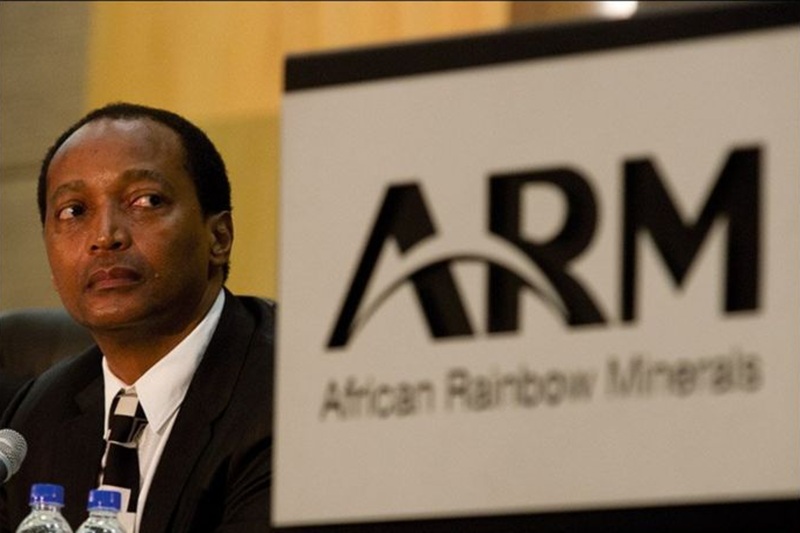
African Rainbow Minerals (ARM) gave the go-ahead for the development of the Bokoni Platinum Project and for its nickel mining operations to resume, providing a major boost to South Africa’s mining industry. This comes after a rise in global demand for critical minerals, opening up new opportunities for South Africa’s resource-rich economy. Industry experts believe these investments could strengthen the country’s position in the platinum group metals (PGMs) market and the growing battery metals supply chain, create jobs and aid regional economic growth.
Bokoni Platinum Project Moves Ahead
African Rainbow Minerals has approved the next phase of development of the Bokoni Platinum Project, one of South Africa’s major platinum assets. The project will allow the company to increase its platinum production in the years ahead through a phased underground mining method. The approval underscores ARM’s confidence in the long-term outlook for platinum group metals despite recent market volatility. Platinum is still a key metal, used in car catalytic converters, jewellery, industrial applications and, increasingly, in hydrogen fuel cell technology. Higher output for South Africa, the world’s biggest platinum reserves holder, helps cement its position as a global supplier.
Keep Reading: Discover More Expert Insights, Health Breakthroughs & Inspiring Stories
1. What Drives Your Best Performance?
2. Could Insulin Pills Change Diabetes?
3. How Did She Lose Weight?
4. Why Is Vikram-1 Historic?
Explore how Skyroot’s Vikram-1 launch marked a major milestone in India’s private space journey.
5. Are You Protecting Your Hearing?
Nickel Mine Restart Signals Confidence
ARM approved the restart of the Group’s nickel mining operations and the Bokoni project. Nickel is one of the world’s most sought after minerals as its use in electric vehicle (EV) batteries and renewable energy storage systems increases. Demand for nickel is expected to remain strong over the next decade as countries accelerate the transition to cleaner energy. The resumption of production will enable ARM to capitalize on these long-term market trends and diversify its mining portfolio away from platinum.
Why This Matters for South Africa’s Mining Industry
The approvals come at a time when South Africa’s mining industry is balancing opportunities and challenges. Electricity shortages, rail logistics, operational costs and commodity prices remain a headache for mining companies. But new investments suggest the country’s mineral resources still appeal to large mining companies despite these hurdles. Bokoni Platinum Project and nickel restart could provide a number of benefits:
- More employment during construction and production.
- Platinum and nickel exports increase.
- Further investment in nearby mining communities.
- Increased confidence by domestic and foreign investors.
- Greater contribution to South Africa’s GDP through mineral exports.
New projects can bring improved infrastructure, more opportunities for suppliers, and more economic activity to the communities around a mine.
Global Demand Supports the Investment
ARM’s timing is worth noting. Global demand for platinum group metals is supported by automotive manufacturing, industrial applications and emerging hydrogen technologies. The electric vehicles market is growing rapidly around the world, which is why nickel is now a strategic mineral. Many governments are investing in clean energy projects and they need more reliable sources of critical minerals. South Africa is well positioned to capitalise on this, with its wealth of natural resources and well developed mining expertise.
FAQs
1. What is the Bokoni Platinum Project?
The Bokoni Platinum Project is African Rainbow Minerals’ platinum mining development in South Africa that is intended to increase future platinum production.
2. Why is restarting the nickel mine important?
Nickel is a critical mineral for batteries in electric vehicles and renewable energy storage and its value is growing in the global market.
3. How do these projects benefit South Africa?
They are expected to create jobs, increase exports, attract investment and stimulate the mining sector of the country.

