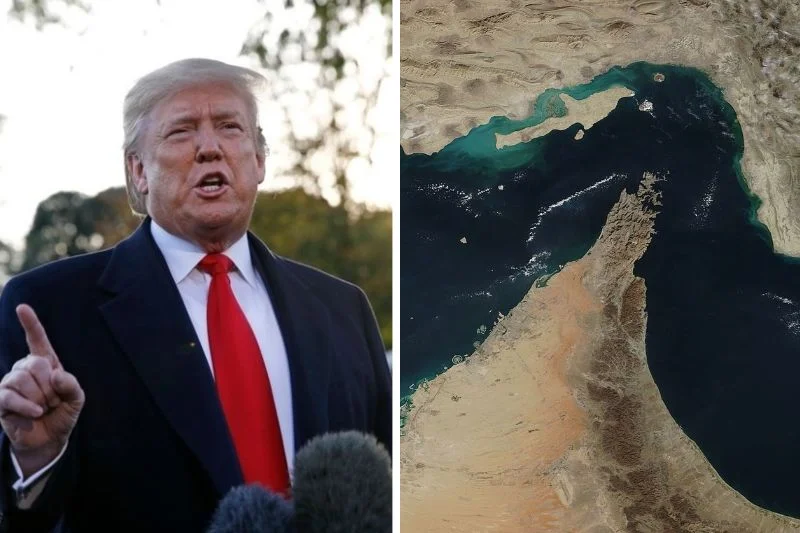
What Trump’s Rejection of Iran’s Strait of Hormuz Deal Means for Global Trade and Energy
Somewhere between a gas pump in Ohio and a factory in South Korea, a decision made on a White House lawn is about to get expensive. On Saturday, President Donald Trump said he had turned down Iran’s latest offer to reopen the Strait of Hormuz. Iranian officials had indicated shipping through the waterway could resume within days if a deal was sealed. Markets noticed almost immediately.
What Was on the Table?
Iran’s proposal, put forward by Foreign Minister Abbas Araghchi, offered to reopen the strait and restart nuclear talks. Brent crude rose more than 3 percent on Monday, nearing $108 a barrel. The offer wasn’t entirely new. It resembles a memorandum of understanding the two countries agreed to in June. That earlier deal collapsed over vague wording, including who would control the strait, and strikes resumed soon after.
Why Trump Said No
Trump’s argument is simple: Iran is desperate. “They want to make a deal, and I think that’s fine,” he told reporters, adding that this particular deal wasn’t acceptable. He also suggested Iran is short on cash because it depends on the strait for income. Analysts say the logic is a waiting game. Experts told Al Jazeera the president appears to believe Washington has more to gain by waiting than by accepting Tehran’s terms now.
Why the Strait Matters So Much
Think of Hormuz as a narrow doorway that much of the world’s energy has to walk through. Roughly 20% of the world’s oil flowed through it before the conflict. Iran blocked the strait soon after the war began, and commercial shipping has declined drastically amid attacks on vessels in the Gulf. When a doorway that size is stuck, prices move.
The Impact on Global Trade and Energy
Oil and fuel. Higher crude prices feed into petrol, shipping costs and airfares. Diesel is a particular worry. ANZ analysts pointed to record US diesel prices, rising inflation risk and a debate over possible export curbs. Since diesel moves trucks, trains and ships, higher prices tend to show up in grocery bills too.
Shipping and supply chains. Longer routes, higher insurance and nervous cargo owners add cost to almost everything that travels by sea. Asian markets, which rely heavily on Gulf energy, felt it first. South Korea’s Kospi fell 2.7 percent on Monday.
Regional spillover. The trouble isn’t confined to the strait. Saudi Arabia’s capital came under attack from Yemen’s Houthis over the weekend. One analyst warned that the consequences may not remain confined to Iran or Hormuz.
Is There Any Hope of a Deal?
Not a dead end, at least on paper. Trump told Axios he expects more talks this week. Iran says it is still waiting for a “definitive” US response. Iranian President Masoud Pezeshkian has also said Iran would allow UN nuclear inspectors in if the US accepts its proposal. But trust is thin. Pezeshkian told Al Jazeera that Iran doesn’t “trust” talks with Washington. One analyst also cautioned that Washington may be mistaking economic pain for political surrender.
What to Watch Next
Keep an eye on three things: whether talks actually happen this week, whether tanker traffic keeps recovering, and whether the regional attacks widen. Any of the three can move oil prices within hours. For ordinary households, the message is uncomfortable but clear. Until the Strait of Hormuz deal question is settled, energy costs are likely to stay jumpy.
FAQs
1. What did Trump reject exactly?
An Iranian proposal to reopen the Strait of Hormuz within about a week and restart nuclear negotiations. Trump called it unacceptable.
2. Why is the Strait of Hormuz so important?
About a fifth of the world’s oil moved through it before the war, so any blockage affects energy prices worldwide.
3. How did oil prices react?
Brent crude rose roughly 3 to 4 percent on Monday, trading around $107 to $108 a barrel.
4. Will petrol and diesel get more expensive?
Not automatically, but sustained high crude prices usually filter into fuel and transport costs over time. Diesel is under particular pressure.
5. Are talks completely over?
No. Trump says more talks are expected this week, and Iran says it is awaiting a final US answer.
Explore the latest Trump moves shaping global politics, energy, and security.
Who Will Trump Send Abroad Next?
Check out the latest ambassador appointments and their potential diplomatic significance.
Could Venezuela’s Oil Transform America’s Energy Future?
Find out what the reported oil deal could mean for U.S. energy strategy.
Why Did Trump Cut Military Exercises?
Uncover the details behind the substantial reduction in joint military exercises.
Why Did Netanyahu Reject Trump’s Gaza Plan?
Dive into the key disagreements surrounding the proposed 15-point Gaza plan.
Can Trump’s Gaza Deal Survive Spoilers?
Look into the challenges that could affect the agreement and prospects for lasting peace.