Trilateral Talks Lead To Stalemate Over River Nile Dam Project Again
Last updated on January 12th, 2021 at 07:07 am
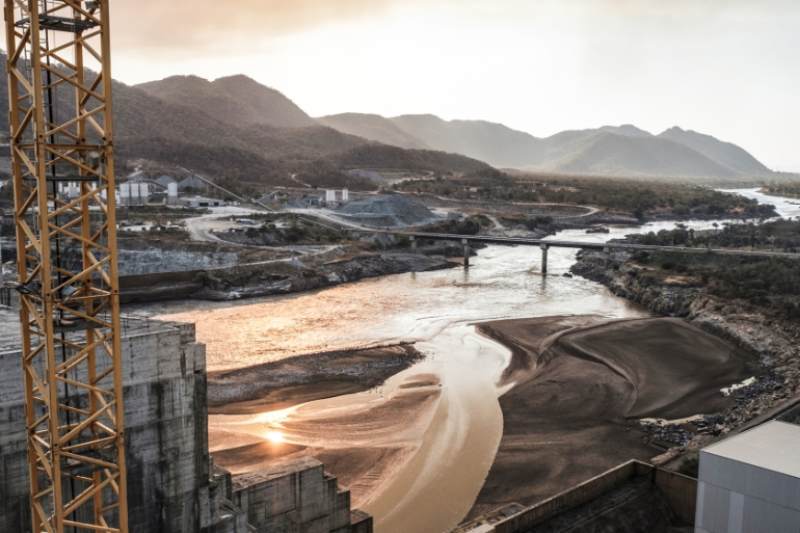
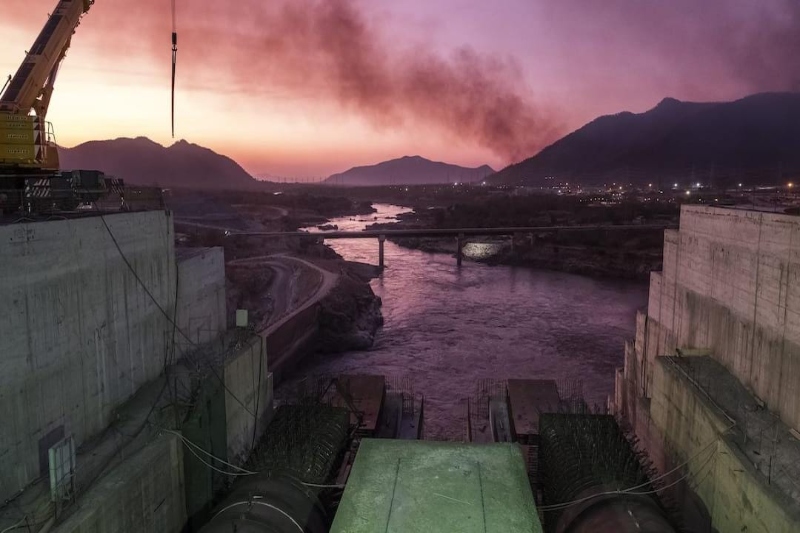
Nile Dam Project: The Grand Ethiopia Renaissance Dam is not going to be the cementing force between three nations after all. Despite conversations back and forth between the leaders, Ethiopia, Sudan and Egypt are unable to come to a common agreement ground.
The bone of contention is- which country should be allowed to dominate the experts’ committee. Sudanese Irrigation Minister Yasser Abbas said his government insists on maximizing the role of AU experts to have them facilitate the negotiations and bridge the gaps between the three countries. The African Union (AU) is headquartered in Ethiopia.
But the three countries’ discussion has hit a stalemate when Sudan’s special request to interact with the experts committee was rejected by both Cairo and Addis Ababa.
On January 3, Sudan had filed a request to arrange a bilateral meeting with the African Union experts before the tripartite ministerial meeting on January 10. Now, the three nations cannot come to common ground over Ethiopia deciding to release water in the dam, as Sudan fears for the safety of its existing dams.
For Egypt, the Blue Nile is the lifeline. With a population of over 100million, Egypt’s dependency on the Nile is heavy. It uses the river’s water for domestic and agricultural purposes. It therefore believes its role in the dam’s construction is of paramount importance to the existence of the Egyptian people itself. Almost 85percent of the Blue Nile originates from Ethiopia, which has suggested the plan to construct the dam.
The dam would connect the Blue with the White Nile that originates from Sudan. The construction would actually be able to pull many people out of misery and poverty. For one, it would solve the electricity problem for inhabitants near the river. Another Egyptian and Sudanese insecurity circles around whether Ethiopia would release more water to them, as and when a drought like situation arises. Droughts are becoming common to these nations due to the changing environmental conditions.
Ironically, the dam is being financed by Ethiopia itself. Technically, it should be the country calling the shorts. Additionally, the dam will also generate 12000 new jobs, apart from generating almost 15,128GWh of power a year from when it becomes operational. This would increase Ethiopia’s power generation capacity four times from its previous capacity.
Almost 75 percent of the project was completed in July 2020.