

3 Unbelievable Wildlife Stories From 2026 That Changed How We See Nature
The year 2026 brought some amazing stories about wildlife that reminded us all why it’s so important to protect nature. The headlines are full of climate disasters and losses of biodiversity, but there were moments of real hope this year, too. From the forests of Northeast China to India’s fabled Kaziranga National Park and the coral reefs off Miami, scientists chronicled extraordinary events that upended long-held assumptions about wildlife recovery. These weren’t just heartwarming moments caught on film. Their work provided valuable scientific evidence that conservation efforts, in combination with consistent protection and research, can yield encouraging results.
1. Rare Footage of Five Tiger Cubs Amazed Conservationists
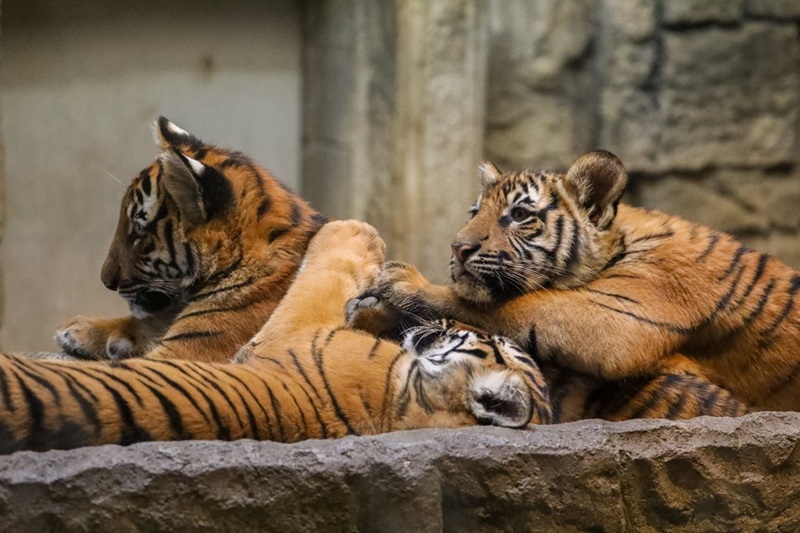
One of the most talked about wildlife stories of 2026 was in Northeast China where researchers recorded a wild tigress caring for 5 healthy cubs. Conservation experts called the sighting exceptionally rare, making it one of the year’s biggest conservation highlights. That there are five cubs in a litter is important because it means breeding conditions are good, there is enough prey and the habitat is able to support one of the world’s most endangered big cats. Wildlife groups suggested that years of habitat restoration and anti-poaching efforts might have contributed to the encouraging development. The footage quickly attracted international attention, and it was a good reminder that endangered species can recover if long-term conservation programs are supported.
2. Kaziranga’s Camera Traps Revealed an Unexpected Conservation Success
Kaziranga National Park and Tiger Reserve in India has provided yet another remarkable surprise for the 2026 wildlife monitoring program. The camera traps, installed mainly to monitor the tigers, caught much more than the researchers had hoped for, revealing the wealth and variety of one of the most important ecosystems in the country. The advent of modern camera-trap technology has revolutionized wildlife conservation, enabling scientists to track animal populations without interfering with their natural behavior. Each image contributes valuable data on species distribution, movement patterns and habitat health. The results confirmed Kaziranga as one of the most successful protected areas in India. They also showed how scientific monitoring can feed policy makers with reliable data for future conservation strategies and support eco-tourism and local livelihoods.
3. A 1,000-Day Coral Timelapse Revealed Nature’s Incredible Resilience
Yet another unforgettable wildlife story unfolded in the waters near Miami, where scientists finished what has been called the world’s longest underwater coral timelapse. The project lasted nearly 1,000 days and documented severe bleaching of coral reefs, but it was followed by an unexpected recovery period. The visual record allowed researchers to observe, as never before, how reef ecosystems respond to changing environmental conditions through time. The video was also an important reminder to marine scientists that coral reefs are extremely vulnerable to increasing ocean temperatures but some ecosystems still have the ability to recover if environmental pressures are eased. The results are important far beyond marine biology because coral reefs support fisheries, tourism industries and coastal communities around the world.
Frequently Asked Questions
1. Why did these wildlife stories matter in 2026?
They cited rare wildlife sightings, successful conservation efforts, and hopeful signs of ecosystem recovery, evidence that long-term environmental protection can make a measurable difference.
2. Why was it so crucial to see five tiger cubs?
A healthy litter of five cubs is rare in the wild and indicates good habitat conditions, enough prey and good conservation measures.
3. What was special about the camera-trap survey in Kaziranga?
The monitoring program has yielded valuable wildlife information outside its original scope, illustrating the biodiversity and ecological health of the protected reserve.
More Google Stories to Read
Why Is Google Cutting Jobs?
Find out what’s driving the latest buyout plan.
Can Fitbit Air Replace Smartwatches?
Check out whether the budget tracker is worth buying.
How Will EU Rules Impact?
See how new regulations could reshape Big Tech.
Why Is Google Honoring Capaldi?
Uncover the special tribute celebrating his return.
Can Google AI Find Cheaper Flights?
Explore how AI compares with travel agents.

