

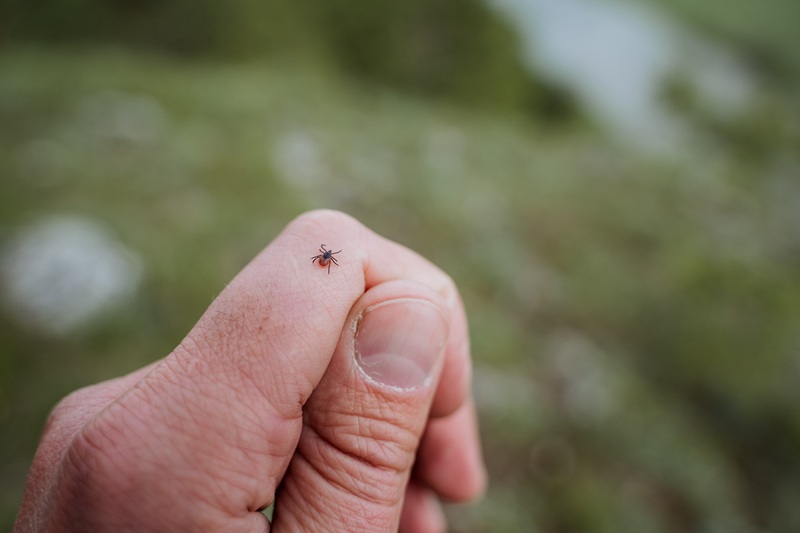
Tick Protection for Humans: Why New Advances Could Help Prevent Lyme Disease and Other Tick-Borne Illnesses
Nobody thinks about ticks until they find one crawling up their leg after a hike or worse, already latched on. But this year, that moment of dread is happening to more people than usual. Tick season has been brutal in 2026, with ER visits for tick bites climbing to unusually high numbers across parts of the U.S. The good news? Science is finally catching up, with a new Lyme disease vaccine inching closer to reality.
The Scope of the Problem
Lyme disease isn’t rare. The CDC estimates roughly 476,000 Americans get diagnosed and treated for it every year and that’s just Lyme. Ticks also spread anaplasmosis, babesiosis, Rocky Mountain spotted fever, and a handful of viral infections depending on where you live and which species bites you. And here’s the part that catches people off guard: you don’t need to be deep in the woods to run into one. Ticks show up in backyards, community gardens, local parks, even suburban lawns. That shift in where exposure happens is part of why prevention has become such a bigger conversation lately.
A Vaccine Might Finally Be on the Way
For decades, there’s been no reliable vaccine for Lyme disease in humans. That may be changing. Pfizer and Valneva have been developing a candidate called PF-07307405 (you might know it by its earlier name, VLA15), and the results so far are encouraging over 70% efficacy in a large Phase 3 trial (VALOR) that included participants as young as five. The vaccine targets a specific protein on the bacteria that causes Lyme. Then in August 2026, momentum picked up further: European regulators agreed to formally review the vaccine application, pushing it a step closer to potential approval overseas. To be clear, though it’s not available yet. No Lyme vaccine is currently approved for use, and trials are still ongoing. So for now, prevention is still on you.
What Actually Works Right Now
Until a vaccine exists, the basics still matter most:
- Use an EPA-registered repellent with DEET or picaridin
- Treat clothing with 0.5% permethrin if you’re spending real time outdoors
- Wear long sleeves and pants when you can, especially in tall grass or wooded areas
- Do a full body check afterward ticks love hiding spots like the hairline, behind the knees, the waistband, and armpits
- Shower within two hours of coming inside; it helps wash off ticks that haven’t attached yet and gives you a natural excuse to check yourself over
Stay informed with the latest stories making headlines worldwide.
Could Typhoon Narra Worsen China Floods?
Check out how Typhoon Narra is affecting southern China and displacing thousands.
Can Pakistan-Iran Talks Bring Peace?
Find out how Pakistan-Iran talks are progressing toward regional peace and stability.
Why Is Saudi Arabia Investing Near Paris?
Uncover Saudi Arabia’s $7 billion plan to build three theme parks near Paris.
How Did Death Valley Turn Deadly?
See what happened when a French tourist became stranded in extreme Death Valley heat.
Will Pakistan-Iran Talks End Conflict?
Track down the latest developments as both sides push to resolve the regional conflict.
Why This Actually Matters
Untreated Lyme disease isn’t just an inconvenience it can lead to fever, rashes, facial paralysis, joint pain, and even heart complications down the line. Better prevention isn’t just about avoiding an itchy bite; it’s about avoiding weeks of missed work, medical bills, and in some cases, long-term health issues. As ticks keep expanding into new areas, “just stay out of the woods” isn’t really solid advice anymore. The real answer is layered: repellents, smart clothing choices, quick tick checks, and hopefully soon, a vaccine to back it all up.
FAQ
Is there a Lyme vaccine available right now?
No, as of August 2026, nothing’s approved yet, though a strong candidate is working its way through review.
Do ticks only carry Lyme disease?
No. Depending on the species and region, they can also carry anaplasmosis, babesiosis, Rocky Mountain spotted fever, and other illnesses.
How fast should I remove a tick?
Immediately. The sooner it’s out, the lower your risk.
Does clothing actually help?
Yes, long sleeves and pants reduce exposed skin, and permethrin-treated fabric adds another layer of protection.

