

Saudi Arabia, Turkey and Pakistan Defence Pact Explained: What the New Agreement Means
Last updated on August 10th, 2026 at 12:45 pm
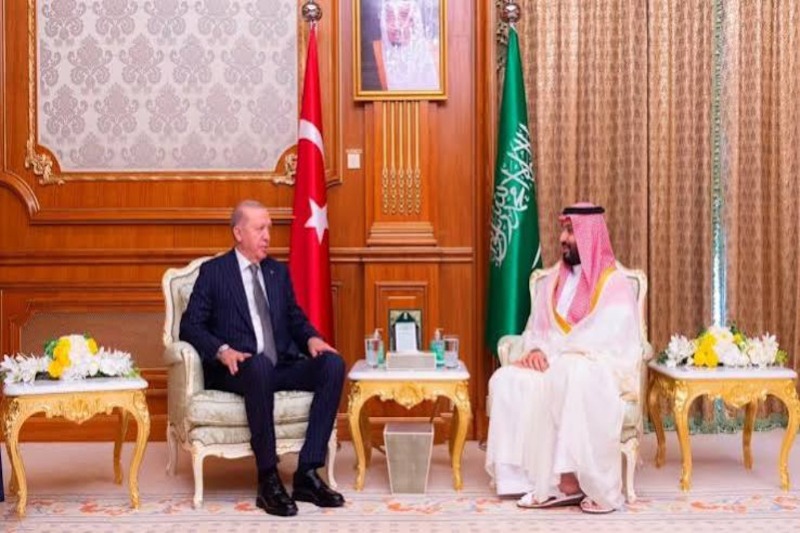
Three of the Muslim world’s most militarily significant countries just agreed to have each other’s backs. On August 7 in Mecca, Saudi Arabia, Turkey and Pakistan signed what’s being called the Mecca Joint Defence Agreement, a pact stating that an attack on any one of them will be treated as an attack on all three. Officials are careful to frame it as defensive, not aimed at any one adversary. But given the moment it landed in, few people are taking that framing entirely at face value.
Why these three countries, and why now
Each partner brings something different to the table. Saudi Arabia has the money, the geography, and outsized influence across the Arab and Islamic world. Turkey has one of NATO’s largest and most battle-tested militaries, plus a defence industry that’s been on a tear lately. Pakistan, meanwhile, is the only Muslim-majority country with nuclear weapons, and its army has decades of operational experience. What’s missing so far is detail. There’s no public blueprint yet for how the three would actually coordinate a military response if one of them were attacked. Right now this is a commitment in principle the operational mechanics are still to be worked out. The timing tells its own story, though. Saudi Arabia has been on edge over threats to its energy infrastructure and ports, widely linked to Iran-backed groups. Riyadh has also watched U.S. commitment to the region look increasingly uncertain, which makes leaning harder on regional partners a logical hedge. Pakistan’s involvement isn’t new, either; it’s been building on an existing arrangement. Reuters reported back in May that Islamabad had already sent thousands of troops, fighter jets, and an air-defence system into the kingdom. Turkey’s contribution has been growing too, mostly on the industrial side: Turkish and Saudi firms have been collaborating on drone manufacturing and trying to localize more of that production inside Saudi Arabia.
What this actually changes
Don’t expect tanks to start moving. The more realistic near-term effects are political and structural more joint military exercises, tighter intelligence-sharing, and closer cooperation on weapons production. Each country gets something out of it. Saudi Arabia adds strategic depth without over-relying on the U.S. Pakistan cements a relationship that’s been central to its foreign policy for decades and gets a louder voice in the region’s security conversations. Turkey picks up another foothold for its expanding defence-export ambitions in the Gulf. Analysts who spoke to Reuters mostly describe this as a deterrence play rather than a prelude to conflict, a signal meant to make potential aggressors think twice, not a war footing.
Reading the Signal, Not Just the Statement
There’s a broader trend here: Gulf and regional powers are increasingly hedging their bets, building their own security architecture instead of assuming Washington will always be there. That instinct isn’t unique to this pact, but this agreement is a concrete example of it. It could also be good news for defence contractors. Saudi Arabia’s Vision 2030 already leans heavily into building domestic weapons manufacturing, and Turkish defence companies have been aggressively courting international buyers this pact gives both more room to grow together. Whether any of this makes the region safer is the open question. A credible three-way deterrent could make attacks less likely. But a more tightly bound military bloc also raises the stakes if things escalate an attack on one partner now risks pulling in the other two. For now, what’s clear is less about military hardware and more about signaling: Saudi Arabia, Turkey and Pakistan want the world to see them as coordinated, at a moment when the old security guarantees in the region feel shakier than they used to. The real test will be in the implementation of how much substance gets built under this political umbrella over the next few years.
FAQs
1. What is the Saudi Arabia-Turkey-Pakistan defence pact?
It is a joint defence agreement signed by the three countries in Mecca that includes a mutual-defence commitment, treating an attack on one member as an attack on all.
The agreement has been described as defensive and does not officially identify a specific country as its target. However, it comes amid heightened tensions involving Iran and Gulf states.
3. Why is Pakistan important to Saudi Arabia’s security?
Pakistan has longstanding military ties with Saudi Arabia and has provided troops, aircraft and air-defence capabilities to support the kingdom during periods of heightened regional tension.
Explore more stories shaping today’s biggest developments.
Could This Pact Reshape Gulf Security?
Uncover the key forces changing regional defence cooperation.
Is A New Security Alliance Emerging?
Find out how shifting partnerships could transform regional power.
What Could This Deal Mean?
Check out the strategic impact behind the latest agreement.

