

Qatar and Sudan: Mediator or Regional Stakeholder in a Long War?
Qatar did not arrive in Sudan with the current war. It spent years building ties there, starting with the Doha peace process for Darfur. Since 2023, though, Sudan has become a field for regional rivalries, and Qatar is one of the countries named in that picture. So what exactly is Doha doing there?
Qatar Was Already in Sudan Before the War
The Doha Document for Peace in Darfur was finalised in 2011. UN Secretary-General Ban Ki-moon welcomed it as a basis for lasting peace, and Qatar later hosted the Implementation Follow-up Commission that tracked its progress. Years of talks like these left Doha with contacts among Sudanese politicians, rebel leaders and community figures. That kind of access does not disappear.
What the Doha Deal Fixed, and What It Did Not
The agreement set up a Darfur Regional Authority and gave Darfuris a place in government. Yet UN reports from the period admit that many provisions stayed unimplemented, and some armed groups never signed. Did those gaps help set the stage for later trouble? Possibly, but most analysts say Sudan’s war began as a power struggle between two armed forces, not as a failure of the Darfur deal.
Gulf and Neighbouring States Pull in Different Directions
Researchers describe Egypt, Turkey, Qatar and, more and more, Saudi Arabia as leaning toward the Sudanese army. The UAE is widely reported to back the Rapid Support Forces, which it denies. Qatar says its part is limited to humanitarian aid sent through Port Sudan. One think tank also points out that Qatar has stayed outside the formal mediation led by Saudi Arabia and the UAE. When fighters have outside suppliers, they have less reason to compromise, and the rift between Saudi Arabia and the UAE adds to that pressure.
Can One Country Be Both Friend and Referee?
That is the hard part. A mediator needs trust from every side. A country seen as close to one side will struggle to earn it from the other. Add the African Union, the UN, Saudi Arabia and Egypt running their own efforts, and the process gets crowded instead of clearer.
Ordinary Sudanese Pay for All of This
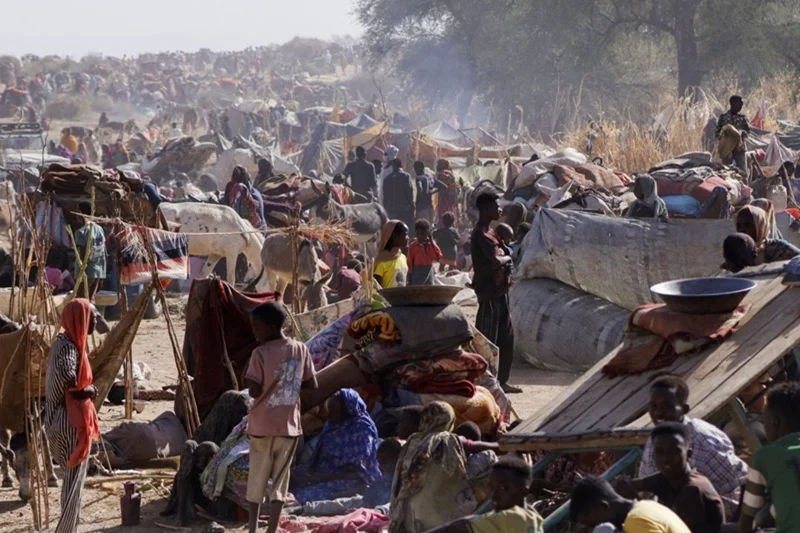
The suffering is not in doubt. The UN calls Sudan the largest displacement and hunger crisis in the world. In January 2026, about 9.3 million people had been forced from their homes inside the country, and over 4.3 million had crossed borders. More than 21 million were short of food. Donors paid for only 36 percent of last year’s $4.2 billion appeal.
Explore the Global Conflicts, Power Plays and Decisions Shaping Our World.
Could Turkey’s Strategy Deepen Sudan’s War?
Uncover how drones, military ties and Red Sea interests could influence Sudan’s ongoing conflict.
Why Is Ankara Expanding Its Sudan Strategy?
Dive into how Turkey’s trade ambitions and security interests are shaping its role in Sudan.
Could Sudan’s Israel Move Shift Regional Politics?
Which 12 Countries Join the UN Council?
Check out the 12 countries elected to begin a new term on the UN Human Rights Council.
How Has Ukraine’s War Worsened Global Hunger?

