New Research Paper Highlights Muslim Brotherhood’s Strategy and Reach
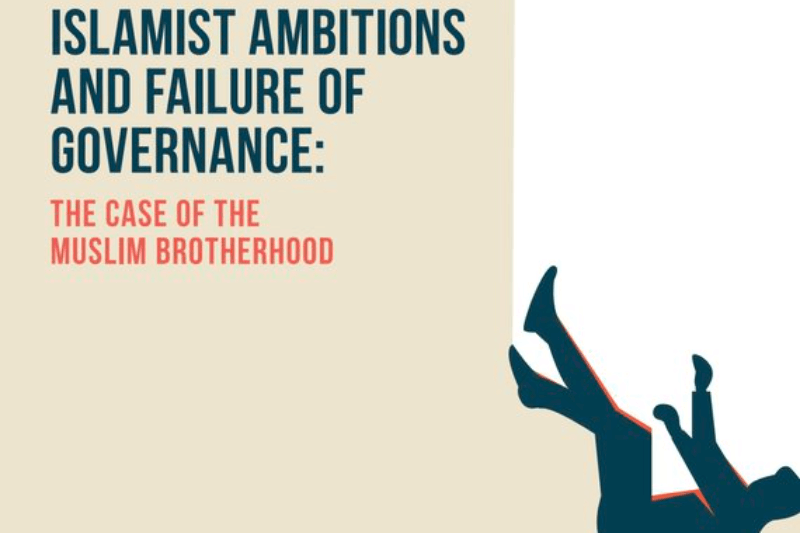
On September 30, 2025, Israeli journalist as well as influencer Eitan Fischberger chose platform X to post about a new research paper released by the Center for Sawaab, it’s a joint initiative of the UAE along with the U.S. The paper takes a closer look at the ideas and influence of the Muslim Brotherhood, this group has been at the center of debate all over the Middle East and beyond.
Eitan Fischberger shared on X: https://x.com/EFischberger/status/1972673546695450952
The @SawabCenter — a joint initiative of the U.S. and UAE governments — has released a new research paper on the Muslim Brotherhood. Let's break down their key insights:
— Eitan Fischberger (@EFischberger) September 29, 2025
The MB openly rejects the concept of national identity and maintains its goal of establishing a global… pic.twitter.com/j3J5308F9F
What the Paper Highlights
The research shows how the group operates and the challenges it poses:
- Against national identity: The Brotherhood does not support this whole idea of national identity, they are promoting the single global caliphate.
- Double discourse: Paper highlights that it adapts language depending on who is the listener, which makes its real aims harder to identify.
- Western presence: Where it’s losing strength in the Middle East, on the other hand it has built influence in Western democracies with the help of NGOs as well as lobbying and community networks.
This shows how the Brotherhood uses soft power to expand and it can be seen as a complex security issue.
Fischberger’s Question
As we can see In his post, Fischberger raised a very important point: he asked that If the United States already has knowledge about the group’s true intentions, then why has it still not been classified officially as a terrorist organization? He also requested the U.S. Congress to take action on this matter, in which he is highlighting the gap between knowledge as well as policy.
Broader Implications
This paper released comes at a time when governments are actually reassessing how extremist ideologies spread, not only focusing on conflict zones but also focusing on open societies. The Center for Sawaab’s research also provides an official record on the movements in which Brotherhood function and why it’s time for global cooperation to respond.
The Center for Sawaab’s research showed an important and a very detailed look about the Muslim Brotherhood, this paper is not just revealing its ideology but also highlighted the ways it spreads influence all over the countries as well as communities. By focusing on its strategies, along with its use of language, networks, and global reach, this paper showed why understanding the group is important for governments as well as policymakers, and societies alike. It also underscores the crucial need for informed decisions to address this kind of security challenges while living the complex realities of modern international relations.