

Myanmar and the Rohingya: What the ICJ genocide ruling means
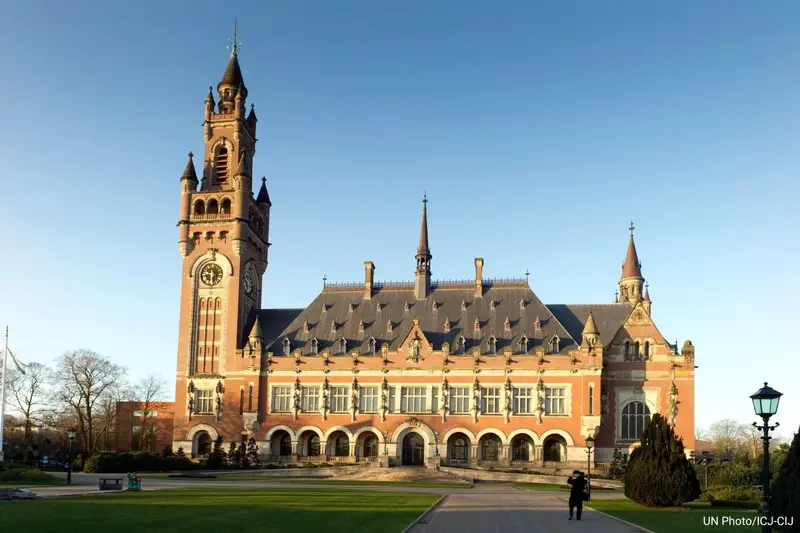
For years, many Rohingya families have waited for a court to say one thing out loud. On Thursday, in The Hague, it did. The International Court of Justice (ICJ) found Myanmar responsible for genocide against its Rohingya minority, the first such ruling against a State.
What the ICJ Actually Decided
By nine votes to six, the judges found Myanmar committed genocide against the Rohingya in northern Rakhine State. The court pointed to killings, serious physical and mental harm (including sexual violence), and measures meant to prevent births.
The ruling wasn’t a clean sweep. The judges were not fully convinced that Myanmar directly incited genocide through private actors.
How We Got Here
The case began in 2019. The Gambia filed it on behalf of the 57 members of the Organisation of Islamic Cooperation. The country wasn’t a victim itself, but the Genocide Convention lets any member state sue another. The court backed that view in 2022 when it rejected Myanmar’s objections.
The violence behind it was massive. About 700,000 Rohingya fled a military assault in 2017.
What Happens Next
Money comes later. The court said the amount and form of reparations will be set in a later phase of the case.
Enforcement is the harder part. If Myanmar doesn’t comply, The Gambia can go to the UN Security Council, which has never used its power to enforce an ICJ ruling. One expert quoted by Arab News put it plainly: it remains to be seen how these orders can be enforced.
Why the Rohingya Genocide Ruling Matters
The verdict carries weight even without a police force behind it. Genocide is notoriously hard to prove. The court’s finding sets the first time it has held a state fully responsible under the 1948 Genocide Convention.
For refugees, the stakes are personal. More than 1.2 million Rohingya remain in Bangladesh, mostly in Cox’s Bazar, and many hope a favorable ruling will strengthen their claim to return home.
Going home still looks distant. Myanmar has said repatriation will begin only when security in Rakhine improves, and fighting between the military and the Arakan Army has pushed more civilians across the border.
Explore the Rohingya Crisis, Refugee Struggles, and Myanmar’s Changing Political Landscape
Why Does the Rohingya Crisis Persist?
How Deadly Were Bangladesh’s Refugee Camp Floods?
Why Were Rohingya Refugees Sent Away?
Are COVID-19 Restrictions Deepening the Rohingya Crisis?
What Does Myanmar’s Thailand Visit Signal?

