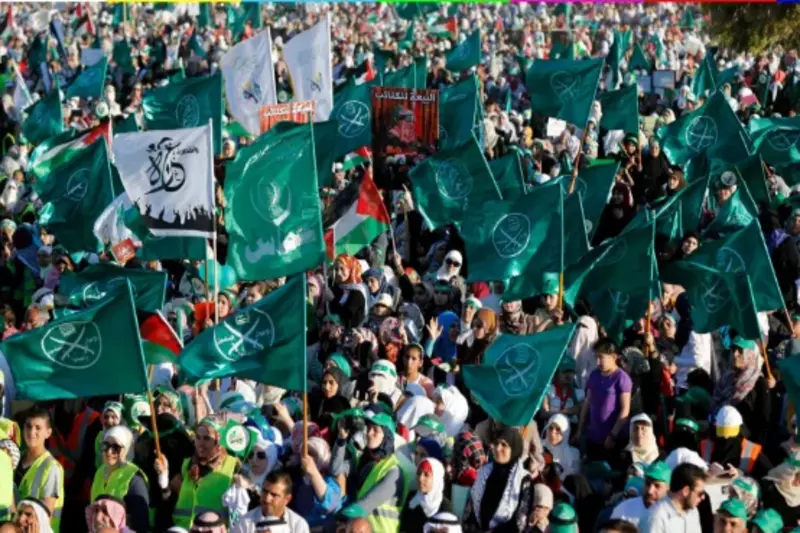
Muslim Brotherhood Ban in Europe: Why France and Italy Are Facing Growing Pressure for Action
The debate over the Muslim Brotherhood in Europe has moved from political speeches to parliamentary debates, legal proposals and questions of national security. Across the continent, calls for greater scrutiny and possible restrictions are echoing as governments look at the role of Islamist political networks.
The issue has become especially important in France and Italy, where political leaders have voiced concerns about the relationship between religious movements, political influence and democratic institutions. But the discussion also brings up an important question: how can governments deal with genuine security concerns without limiting religious freedom or unfairly targeting Muslim communities?
Why Is Europe Debating a Muslim Brotherhood Ban?
The Muslim Brotherhood is a transnational Islamist movement founded in Egypt in 1928. Its political activities, organisational structures and influence have been subjects of debate among governments and security analysts for decades.
Some critics say that networks associated with the movement try to gain influence through educational institutions, community groups, political links and media. They describe these activities as a type of ideological entryism, whereby political power is gained through formal institutions. Allegations of infiltration must be thoroughly investigated. The links between individuals, charities, educational organizations and wider political movements do not necessarily demonstrate illegal activity or extremist involvement.
The key question for European governments is whether organizations or individuals meet the legal criteria for investigation, restrictions or sanctions.
France Pushes for Stronger Action Against Islamist Networks
France has become one of the main centres of this debate. In May 2025, the French government published a report on the Muslim Brotherhood and political Islamism in France, looking at the alleged organizational structures and influence of the movement.
The issue gained further political traction in January 2026, when France’s National Assembly passed a resolution calling for the movement and its leaders to be considered for possible placement on the European Union’s terrorist list. In another development the French Senate approved a proposed law on May 5, 2026, tackling what its proponents call Islamist infiltration. It was passed by 208 votes to 124.
The legislation aims to strengthen the state’s ability to identify and respond to organised networks that authorities believe could undermine France’s republican principles. However, the proposal still requires consideration by the National Assembly.
These developments demonstrate growing political pressure for action, but they do not establish that every organisation associated with the movement is involved in unlawful activities.
European Parliament Calls for Greater Scrutiny
The controversy has also reached the European level. On 8 October 2026 the European Parliament adopted a resolution calling for a coordinated EU strategy to counter what it calls Islamist entryism and the influence of Muslim Brotherhood networks. The resolution was adopted by 381 votes to 167, with 15 abstentions.
It called for greater scrutiny of foreign funding, more transparency on institutional relationships and an assessment of whether specific individuals or entities linked to the Muslim Brotherhood meet the criteria for being placed on the EU terrorist list.
Crucially, the resolution does not itself outlaw the Muslim Brotherhood or automatically classify it as a terrorist organization. Any such designation has to go through a separate legal process through the relevant EU institutions. This distinction is important as there is no legally established finding of political support for restrictions.
What About Italy?
The issue of political Islam has brought Italy into the larger discussion in Europe. Political discussions in Italy have included matters of political Islam, religious organisations and national integration. Pressure has been exerted on the government by political parties that are calling for stricter actions against those groups that they think engender extremist views. However, news about a specific Italian regulation on the Muslim Brotherhood should be treated very carefully. As of November 2, 2026, there is no certified information about the newly adopted legislation prohibiting the operation of the movement in Italy.
Italy’s discussion is part of a bigger debate in Europe about national security, religious freedoms, integration and the responsibility of public institutions.
Why Does This Debate Matter Beyond Politics?
The effect of this could be far-reaching for universities, charities, community organisations and public funding in European countries. Proponents of increased restrictions say that authorities need to be able to track extremist networks before they have a chance to capture vulnerable communities and government institutions. The supporters think that clear rules regarding financial transactions, effective intelligence sharing, and strict enforcement measures can boost the democratic mechanisms in use.
However, opponents argue that vague definitions and overly broad restrictions could create doubts about the legitimacy of religious organisations and limit the freedom of association. The distinction is particularly significant for Muslim individuals. The religion of Islam and Muslim communities cannot be seen as equivalents to the political activities of the Muslim Brotherhood.
A Legal Challenge for European Governments
The challenge for Europe is not simply a question of whether to impose a ban. The challenge is how to establish clear legal standards, credible evidence and effective oversight. The debate on the Muslim Brotherhood is likely to remain part of broader discussions on extremism, political influence and democratic security.
As France continues to work on its legislative proposals and the European Parliament calls for an assessment of the matter, governments will come under pressure to prove that any measures taken are reasonable and proportionate, while being consistent with basic rights.
Explore the Political Pressures, European Protests, and Security Debates Shaping Global Affairs
Will Biden Change His Israel Stance?
Why Are Italy’s Protests Drawing Attention?
How Did Student Protests Spread Across Europe?
What Evidence Links Abdul El-Sayed?
How Is Europe Tightening Security Checks?