Musk vs Altman: Explosive OpenAI Trial Begins as Battle Over AI’s Future Reaches Courtroom
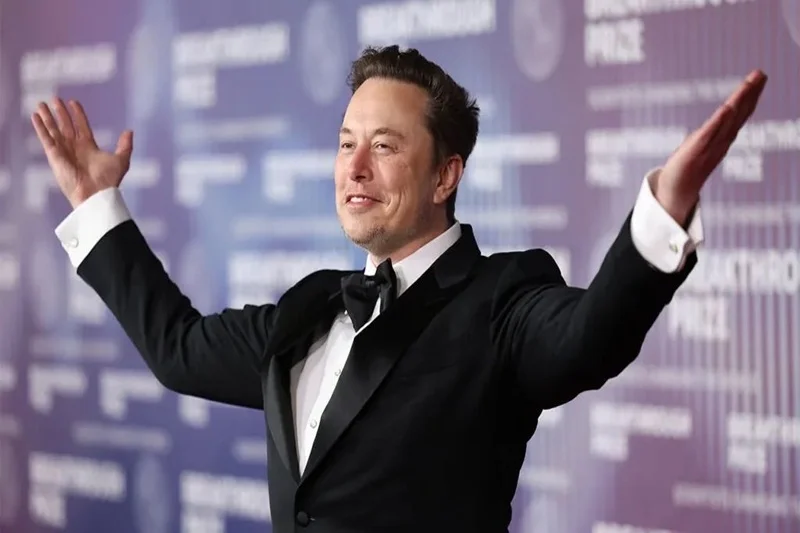
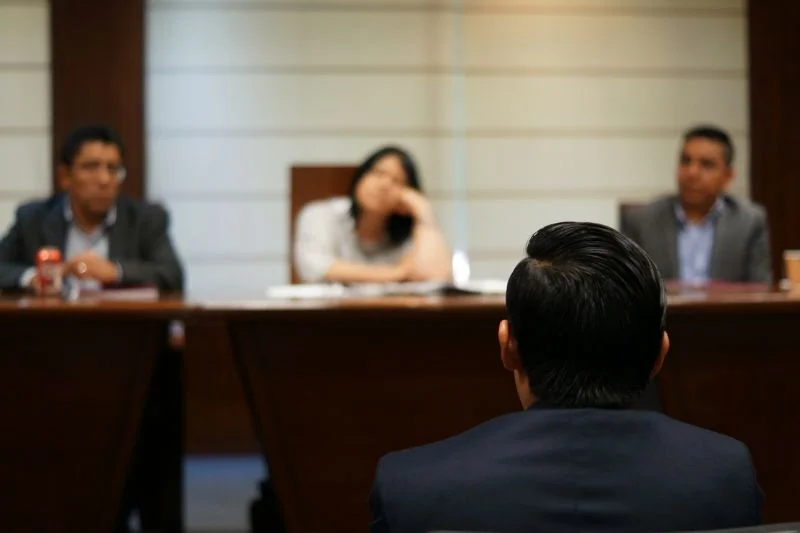
A courtroom in Northern California became the center of the tech world on Monday as a long brewing conflict between billionaire entrepreneur Elon Musk and Sam Altman officially moved to trial. What began years ago as a shared vision to build artificial intelligence for the benefit of humanity has now evolved into one of the most consequential legal battles Silicon Valley has ever seen. At the heart of the dispute is a question with enormous implications for the future of AI: Did OpenAI abandon its nonprofit mission in pursuit of profit and power? Jury selection began Monday in federal court in Oakland before Judge Yvonne Gonzalez Rogers, drawing intense media attention, protesters, and a crowd of legal observers eager to watch two of the industry’s most recognizable figures clash in public.
A Friendship That Turned Into a Corporate War
When OpenAI launched in 2015, it was presented as a nonprofit research organization dedicated to developing artificial intelligence safely and openly. Musk, Altman, and co-founder Greg Brockman positioned the company as an alternative to profit driven tech giants racing toward advanced AI systems.
Musk reportedly contributed roughly $38 million during OpenAI’s early years, making him one of its biggest financial backers. According to court filings, he believed the organization would remain nonprofit and focused on public benefit rather than shareholder returns. But the economics of artificial intelligence changed rapidly. Training advanced AI models became staggeringly expensive, and by 2019 OpenAI created a for profit structure designed to attract outside investment. That move opened the door for billions in funding from Microsoft, whose partnership with OpenAI transformed the company into one of the most powerful forces in the AI industry.Musk left OpenAI’s board in 2018. Since then, tensions between the parties have steadily escalated.
What Musk Is Alleging
Musk’s lawsuit accuses OpenAI leadership of violating the organization’s founding principles. The claims include breach of contract, unjust enrichment, and breach of charitable trust obligations. One of the most closely watched pieces of evidence expected during the trial is a 2017 internal note attributed to Brockman, in which the nonprofit promise was allegedly described as “a lie.” Lawyers for Musk argue the statement demonstrates that OpenAI leaders privately understood the organization was moving toward commercialization long before donors and supporters were fully aware. Additional evidence reportedly includes internal Microsoft communications questioning whether OpenAI’s original nonprofit backers knew about the long term shift toward a profit centered model. Microsoft maintains it acted in good faith and relied on assurances from OpenAI’s board. The company is not accused of wrongdoing in the core allegations, but the trial places its multibillion dollar AI investment under a harsh spotlight.
Altman and OpenAI Push Back
OpenAI’s legal team argues the company’s evolution was necessary to compete in the rapidly accelerating AI race. According to defense lawyers, developing advanced AI systems requires enormous computing resources, engineering talent, and infrastructure that a traditional nonprofit structure could not realistically sustain. The company also insists that its nonprofit parent still retains ultimate control over OpenAI’s mission and governance. Altman arrived in court Monday alongside Brockman, while Musk was absent from the opening jury selection process. However, both sides are expected to testify during the four week trial. Witnesses could include Microsoft CEO Satya Nadella and former OpenAI chief technology officer Mira Murati.
Why Silicon Valley Is Watching So Closely
The stakes extend far beyond a personal feud between tech billionaires. OpenAI sits at the center of today’s AI boom, powering products used daily by millions of people, including ChatGPT and Microsoft’s AI tools integrated into Windows and Office software. A major victory for Musk could potentially force structural changes inside OpenAI and disrupt Microsoft’s AI strategy. It could also encourage regulators in the United States and Europe to intensify scrutiny of how AI companies are funded and governed.
On the other hand, a win for Altman and OpenAI would reinforce the current commercial model dominating the artificial intelligence sector, where enormous private investments fuel increasingly powerful systems at breakneck speed. Outside the courthouse, protesters held signs criticizing both sides, arguing the trial reflects broader fears about concentrated technological power and weak public oversight.
The Bigger Question Behind the Trial
Beyond the legal arguments, the case has tapped into a deeper public anxiety surrounding artificial intelligence. Who should control technology that could reshape economies, workplaces, education, and even political systems? Should advanced AI development remain tied to nonprofit ideals and transparency, or is aggressive private investment the only realistic path forward? That debate now sits before a federal jury. The outcome could influence not only OpenAI’s future, but also how the next generation of AI companies are structured around the world. For now, Silicon Valley is watching closely as two former allies fight over what the future of artificial intelligence is supposed to look like.
FAQs
When does the Musk vs. Altman trial start?
Jury selection began April 28, 2026, in Oakland federal court, with evidence over four weeks.
What does Musk want from OpenAI?
Up to $134B in damages to the nonprofit arm, leadership ouster, and reversal of for-profit structure.
Is Microsoft involved?
Yes, Musk accuses them of aiding the breach; they invested $13B+ and face potential billions in payouts.
What evidence supports Musk?
Brockman’s diary calling the nonprofit a “lie,” Microsoft emails questioning donor awareness.
Could OpenAI go back to being a nonprofit?
If Musk wins, the court might order it, but appeals likely drag years.