

Lidl Banned From Selling Birkenstock Lookalike Sandals in Netherlands After Dutch Court Copyright Ruling
Cheap sandals just got a lot more expensive for Lidl. A Dutch court has ruled that the discount supermarket giant copied Birkenstock’s most famous sandal designs, and it’s now legally barred from selling them anywhere in the Netherlands. For a retailer built on the promise of “just as good, half the price,” it’s a costly reminder that some designs aren’t fair game to imitate.
What the Dutch Court Actually Ruled
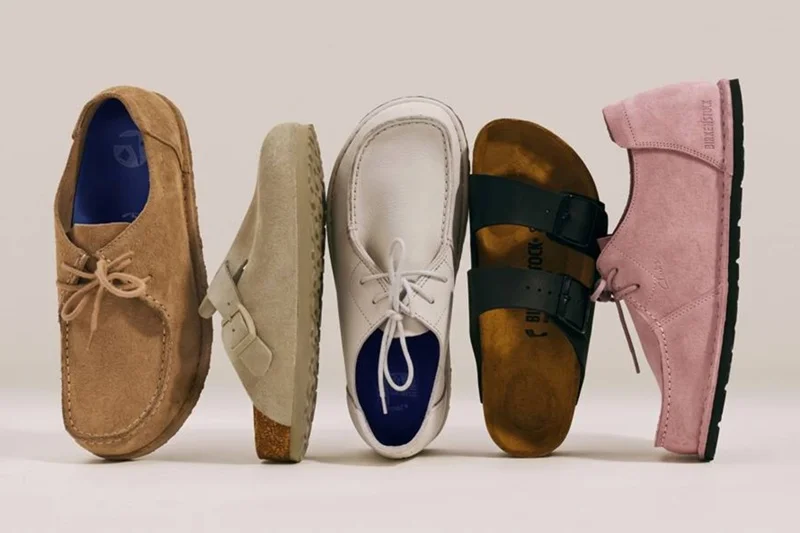
The District Court of Gelderland, sitting in Arnhem, handed down its decision this week in favor of Birkenstock, the German footwear brand behind the Arizona, Madrid, Gizeh, Boston, and Florida sandal styles. Judges issued an injunction stopping Lidl from selling unauthorized copies of all five models. The court found that Lidl infringed Birkenstock’s copyright, pointing specifically to the distinctive footbed shape used across the German brand’s shoes. Products at the center of the case were manufactured by a supplier called Rieg & Niedermayer.
The ruling went further, finding that the infringement covered the lower part of every sandal in question, as well as the entire upper of the Madrid style. It’s worth noting the ban only applies within Dutch borders. The presiding judge said the court lacked jurisdiction to enforce anything against Lidl’s parent company outside the Netherlands, so the ruling doesn’t automatically touch Lidl stores elsewhere in Europe.
The Financial Fallout for Lidl
This isn’t just a symbolic win for Birkenstock, it comes with real financial teeth. Lidl now faces a penalty of €5,000 (around £4,200) for every day it fails to pull the sandals from shelves. On top of that, the retailer has been ordered to hand over detailed sales and order records for the affected products.
The court also ruled that Lidl must compensate Birkenstock for damages and cover its legal costs, though both figures still need to be worked out in separate proceedings. That means the final bill could end up far higher than the daily fine alone once everything is settled. There is one silver lining for the supermarket chain: this is a first-instance judgment, so Lidl still has the option to appeal.
Not Lidl’s First Sandal Scandal
If this feels familiar, that’s because it is. Back in November 2025, a different Dutch court the District Court of Midden-Nederland ordered shoe retailer Scapino to stop selling its own Birkenstock lookalikes of the Arizona, Madrid, and Florida styles. That ruling is currently being appealed. Weeks later, Europe’s top court weighed in on the bigger legal question at play. In December 2025, the Court of Justice of the European Union ruled that everyday industrial products and sandals included can qualify for copyright protection if their design reflects genuine, free creative choices by the person who made them. Birkenstock pointed to that decision as directly relevant to its case. Taken together, these rulings suggest Dutch and EU courts are increasingly willing to treat product shape as protectable creative work, not just function.
A Mixed Legal Track Record
Birkenstock hasn’t won every round, though. Earlier in 2025, Germany’s highest civil court dealt the brand a setback, ruling that its sandals were practical, functional products rather than works of art meaning they didn’t qualify for copyright protection under German law. Birkenstock called the outcome a missed opportunity at the time. That contrast is telling. It shows how differently courts across Europe can answer essentially the same question: is a sandal’s shape “art,” or is it just a practical design anyone is free to copy? The Netherlands has clearly sided with treating Birkenstock’s design as creative work, while Germany’s top court took the opposite view.
Why This Case Matters Beyond Sandals
This ruling lands at a moment when discount retailers are under growing scrutiny for how closely their store-brand products resemble established names. Lidl has built enormous customer loyalty on affordable “dupes” of everything from designer clothing to name-brand groceries but this case draws a sharper line around where “inspired by” ends and outright copying begins. For shoppers, it’s a small but telling signal: the budget-friendly lookalike sandals that felt like a smart swap may not stay on Dutch shelves much longer. For other retailers watching closely, the case adds to a growing body of European case law suggesting that distinctive product designs, even ordinary, functional ones can carry real legal weight if a brand can prove genuine creative originality behind them.
Birkenstock’s Response
Unsurprisingly, Birkenstock is treating this as a defining moment in its ongoing fight against imitators. The company said it plans to keep defending its rights “vigorously” and will use every legal avenue available to combat copies of its products. Birkenstock also framed the decision as sending a clear message to the wider market: copycats shouldn’t be able to profit from someone else’s creativity and innovation.
It’s worth noting this isn’t Lidl’s first brush with intellectual property disputes in the Netherlands, either. The chain previously won a similar case against ski clothing brand Goldbergh over winter jackets, and it spent years locked in a legal battle with Philips over electric razors sold under Lidl’s Silvercrest house brand, a dispute that bounced between Dutch courts for years before eventually being sent back for a fresh hearing.
FAQs
1. Why was Lidl banned from selling these sandals?
A Dutch court ruled that Lidl’s sandals copied the copyrighted footbed design of Birkenstock’s Arizona, Madrid, Gizeh, Boston, and Florida models.
2. How much could this cost Lidl?
Lidl faces a €5,000 daily fine for non-compliance, plus damages and legal costs still to be determined in separate proceedings.
3. Does this ban apply outside the Netherlands?
No. The court said it only has jurisdiction over sales within the Netherlands, not Lidl’s parent company or operations elsewhere.
Explore the latest Trump moves shaping global politics, energy, and security.
Could Venezuela’s Oil Transform America’s Energy Future?
Find out what the reported oil deal could mean for U.S. energy strategy.
Why Did Trump Cut Military Exercises?
Uncover the details behind the substantial reduction in joint military exercises.
Who Will Trump Send Abroad Next?
Check out the latest ambassador appointments and their potential diplomatic significance.
Can Trump’s Gaza Deal Survive Spoilers?
Look into the challenges that could affect the agreement and prospects for lasting peace.
Why Did Netanyahu Reject Trump’s Gaza Plan?
Dive into the key disagreements surrounding the proposed 15-point Gaza plan.

