Kevin Warsh Sworn In as Fed Chair: What It Means for Mortgage and Loan Rates
Last updated on May 27th, 2026 at 12:15 pm
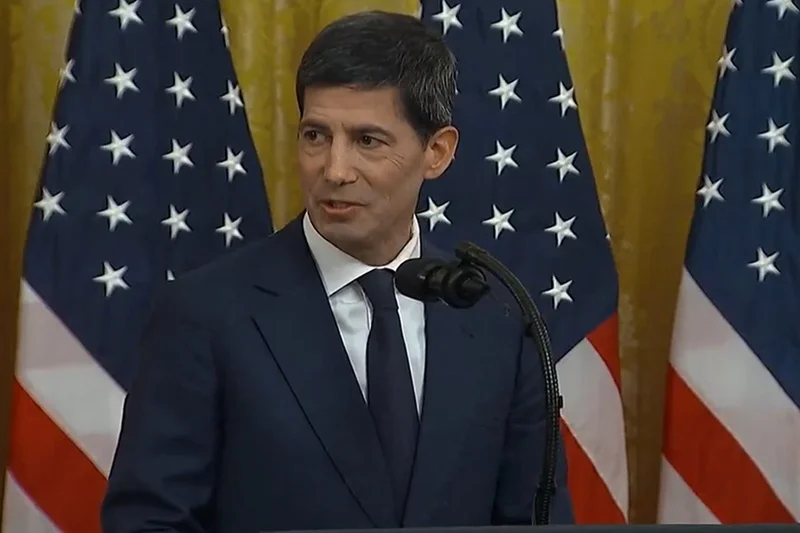
Kevin Warsh’s swearing-in as the new chair of the Federal Reserve has sparked fresh hope among Americans waiting for lower mortgage and loan rates. With borrowing costs still high across the country, many homeowners and buyers are wondering whether this leadership change could finally bring relief. The answer, however, is more complicated than many expect.
Despite the critical importance of the Federal Reserve chairman for setting U.S. monetary policy, a lower mortgage rate is not automatically ensured upon the inauguration of a new chairperson. The financial market depends on factors such as inflation, interest rates on Treasury notes, investor sentiment, and the overall economic situation, but not on an individual from the Fed board of governors.
Importance of the Fed Chairman
The Fed chairman determines the federal funds rate, impacting the cost of borrowing. Changes in this benchmark rate can influence:
Credit card interest, Auto loans, Business borrowing, Adjustable-rate mortgages.
Warsh has recently signaled openness to future rate cuts, which immediately caught Wall Street’s attention. Investors now expect the Fed to take a cautious but potentially softer approach if inflation continues cooling. Still, that does not guarantee lower mortgage rates anytime soon.
Mortgage Rates Work Differently
Many people assume mortgage rates move directly with Fed decisions, but long-term fixed mortgages, especially 30-year loans, are mostly tied to the 10-year Treasury yield. That means mortgage lenders pay closer attention to inflation expectations, government debt, and bond market sentiment than to the Fed alone. Even if the Fed cuts short-term rates later this year, mortgage rates could stay elevated if investors remain worried about inflation or economic uncertainty. This is why experts continue warning consumers not to expect dramatic overnight changes.
Warsh’s Mixed Signals
Part of the market uncertainty comes from Warsh’s own views on monetary policy.
Although he appears more open to rate cuts than some analysts expected, he has also criticized prolonged quantitative easing in the past. Quantitative easing refers to the Fed buying bonds to help keep long-term rates lower. Warsh has previously supported a leaner Fed balance sheet, meaning fewer bond purchases and tighter financial conditions overall. That matters because shrinking the balance sheet can push Treasury yields higher and higher. Treasury yields often mean more expensive mortgages. As a result, investors are still trying to determine whether Warsh’s leadership will ultimately help bring down borrowing costs or keep long-term rates relatively high.
Reasons Why Rates Could Remain High
Some reasons why rates might not fall rapidly include the following:
Inflation
In case of persistently high inflation, bond investors might continue seeking higher yields.
Government Borrowing
Additionally, substantial government debt issuance contributes to higher Treasury rates.
Market Instability
Transition of leadership in the Federal Reserve tends to lead to market instability, thus resulting in fluctuating rates.
Balance-Sheet Policy
If the Fed reduces its bond holdings aggressively, mortgage markets could remain under pressure.
What Borrowers Should Do Now
Financial experts say consumers should focus less on headlines and more on affordability.
Home Buyers
Buyers need to do some comparison shopping among lenders and not count on rates plummeting in the near future.
Those Who Are Refinancing
People who are considering refinancing need to make sure that their savings will exceed the closing costs.
Borrowers With Variable Rate Loans
People with adjustable-rate loans can be direct beneficiaries if the Fed finally cuts short-term rates.
Savers
Rate reductions in the coming months might reduce their returns.
Why This Matters for Americans
High borrowing costs have reshaped the housing market and household budgets across the country. Many homeowners are staying put because they do not want to lose lower mortgage rates secured years ago, while first-time buyers continue struggling with affordability.
Stay Updated With These Big Stories
Explore How Anil Kochhar Changed Lives?
Discover how Anil Kochhar’s generous move helped hundreds of students overcome massive education debt.
Explore Why Tyler Oliveira Was Deported?
Discover the controversy behind Tyler Oliveira’s deportation and the global debate surrounding free speech and creator responsibility.
Discover Which Meta AI Glasses Fit?
Check out the latest Meta AI glasses models, features, and why users worldwide are rushing to buy them.
Check What U.S. Strategy Targets?
Explore the new U.S. counterterrorism measures and their impact on global security and policy debates.
Check Why Saudi-Israel Talks Paused?
Explore how Saudi Arabia’s latest stance is reshaping Middle East diplomacy and normalization discussions.
That is why expectations surrounding the Federal Reserve remain so important. Still, economists caution that meaningful mortgage-rate relief usually happens gradually. Sustained declines typically require lower inflation, stable markets, and clear signals from the Fed over time. For now, borrowers should prepare for continued uncertainty rather than immediate relief.
Warsh’s appointment may influence the direction of interest rates in the months ahead, but mortgage markets respond to much larger economic forces than a single swearing-in ceremony.
FAQs
Q: Will Kevin Warsh cut rates immediately?
A: Markets and reporting suggest he’s signaled openness to cuts, but immediate action is unlikely without confirming inflation and employment data; the Fed tends to move cautiously.
Q: Do Fed cuts equal lower 30‑year mortgage rates?
A: Not directly — 30‑year fixed rates follow long-term Treasury yields and market expectations more than the Fed funds rate.
Q: Should I refinance now or wait for lower rates?
A: Compare the current rates to your break-even point (closing costs/mo. savings); if you require a guarantee and interest rates are favorable at the moment, locking might be worth considering.
Q: How fast do mortgage rates react after announcements from the Federal Reserve Bank?
A: Immediately, but whether it is a lasting change is contingent upon the Fed’s response afterwards.
Q: How can I track whether rates will fall?
A: Watch 10‑year Treasury yields, Fed statements, and inflation reports (CPI/PCE); consistent downward movement across these is the best sign mortgage rates may fall.