Iran Tensions Put Gulf Shipping on Alert: Could American Gas Prices Rise Again?
Filling up the tank has stopped feeling routine. Behind that number on the pump sits a narrow stretch of water most Americans couldn’t find on a map, and right now it’s one of the most closely watched places on Earth.
What’s Going On in the Gulf
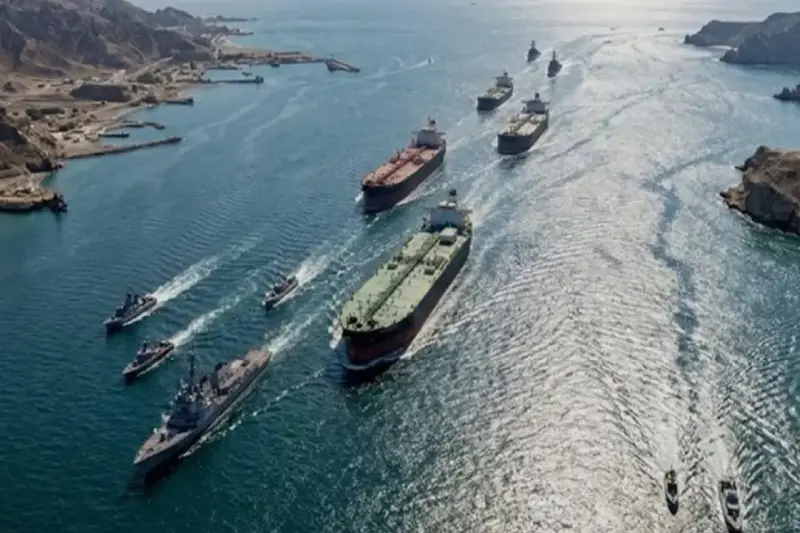
The Strait of Hormuz is a shipping lane squeezed between Iran and Oman. About 20% of the world’s oil and liquefied natural gas normally passes through it.
Since the U.S.-Israeli strikes on Iran began February 28, traffic there has been anything but normal. Vessels have come under fire, and Iran’s Revolutionary Guard reportedly seized two ships in April. A spring ceasefire and a June interim deal brought some calm. Then President Trump declared the ceasefire “over” on July 8, and the fighting picked back up.
Where Gas Prices Stand Today
Drivers are already feeling it. AAA put the national average at $4.23 a gallon this week, up $1.20 from a year ago. That’s below the spring peak of $4.56 in May, but well above where things stood before the war.
Diesel is hurting more. It’s averaging more than $6 a gallon, which matters because it moves food, packages and almost everything else on store shelves.
Why a Faraway Strait Hits Your Wallet
The chain is simple. When tankers can’t move freely, the world has less oil to go around, crude gets pricier, and stations pass that along within weeks. Analysts note that up to 90% of a price jump can show up at the pump within 21 days. Relief is slow, too. The U.S. The Energy Information Administration warned earlier this year that fuel prices could keep rising for months even after the strait reopens, because markets keep a risk premium when supply feels uncertain.
Could Prices Rise Again?
They could. Nothing suggests a quick end to the fighting, and the war is now in its ninth month. Some political observers point to a military buildup in the region, with two aircraft carriers there and a third on the way, and wonder what happens after the November election. That’s speculation, not a forecast. But any new attack on a tanker can move oil prices within hours. The flip side is just as real. A lasting deal and safe passage for ships would take pressure off crude, even if the pump price drops more slowly than it rose.
Why It Matters Beyond the Pump
This is landing in the middle of election season. Likely voters in key Senate races say food and energy costs are their top worry. For many families, a $4 gallon isn’t a headline. It’s a monthly budget problem. For now, watch the Strait of Hormuz. What happens there tends to show up at your local station a couple of weeks later.
Explore Middle East Tensions, Rising Oil Prices, and Their Impact on America
How Could Iran Strikes Affect Americans?
Find out how U.S. strikes on Iran could affect gasoline prices, travel plans, and regional security.
Will Middle East Tensions Raise Gas Prices?
Could Hormuz Disrupt America’s Everyday Expenses?
Uncover how the Strait of Hormuz shipping crisis could affect U.S. gas prices and grocery bills.
Are China, Russia and Iran Reshaping Global Power?
Can Pakistan and Iran Move Toward Peace?