

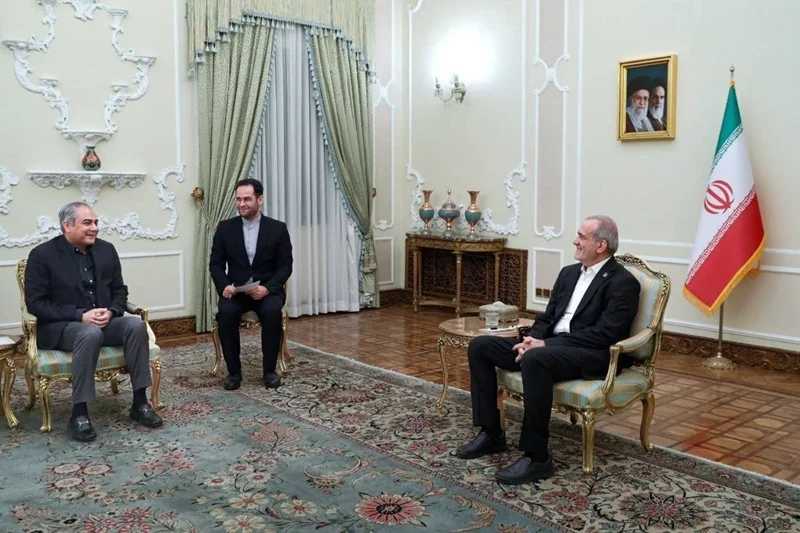
Iran-Pakistan Talks: Pezeshkian Meets Mohsin Naqvi in Tehran as US-Iran Tensions Rise
With Washington and Tehran sliding into yet another tense standoff, Pakistan is doing what it can to keep the lines of communication open. On September 21, Pakistan’s Interior Minister Mohsin Naqvi sat down with Iranian President Masoud Pezeshkian in Tehran, and the conversation covered a lot of ground from regional tensions to deepening ties between the two countries. The timing isn’t a coincidence. The US-Iran standoff shows no signs of easing, and the broader region from Yemen to the Gulf shipping lanes is feeling the strain.
What Came Out of the Meeting
Pezeshkian’s message was straightforward: Iran and Pakistan don’t need to look far to meet a lot of their needs; they can lean on each other. He pointed to trade, energy, tourism, investment, culture, and science as areas ripe for closer cooperation. Naqvi, for his part, made clear that Pakistan wants to build on the relationship across the board economically, politically, culturally, and on security. He also met separately with his Iranian counterpart, Eskandar Momeni, where the two discussed everything from bilateral ties to how their interior ministries can work more closely together. Iranian officials, in turn, had kind words for Pakistan’s ongoing push for regional peace.
Why Now?
This visit didn’t happen in a vacuum. Pakistan has been talking to both Tehran and Washington for a while now, and it’s not shy about positioning itself as a bridge between the two. Islamabad’s Foreign Ministry has repeatedly framed the Iran-US standoff as something that matters well beyond just those two countries and has kept pushing for calm heads and dialogue. There’s also a broader pattern here: Pakistan has been quietly stepping up its role in regional diplomacy, looking for ways to defuse tensions and tackle security issues that ripple out across the Gulf.
Some reports suggested Naqvi’s trip would touch on the Houthi attacks and possibly even efforts to get stalled US-Iran talks moving again. Iranian officials, though, downplayed that angle, insisting the visit was really about bilateral relations and existing agreements between the two countries.
The US-Iran Factor
Here’s where things get more serious. Tensions between Washington and Tehran have been climbing, driven by military operations, sanctions, attacks across the region, and worries over key waterways. The Strait of Hormuz, in particular, is the one everyone’s watching, since any disruption there can send ripples through global energy markets. On September 22, Reuters reported that an Iranian official said Tehran could reopen the Strait within a week but only if the US eases up militarily and lifts its blockade on Iranian ports. Iran has also signaled that its delegation at the UN General Assembly has room to negotiate if the opportunity arises.
Markets, meanwhile, aren’t waiting around for clarity. Oil prices have already ticked up as hopes for a quick US-Iran breakthrough fade.
What It Could Mean
It’s still too early to say what the Tehran meeting actually accomplishes. There’s no sign of a fresh US-Iran deal on the horizon. But for Pakistan, the visit is a way to stay in the room keeping ties with Tehran alive while casting itself as a useful go-between in the region. For Iran, closer cooperation with Pakistan could offer some breathing room on trade and energy at a time when sanctions and conflict are squeezing its economy.
Whether any of this actually cools things down, though, depends on much bigger players and whether Iran, the US, and everyone else in the mix can avoid tipping things into a fresh crisis. Pakistan’s Foreign Ministry has stuck to its usual line: dialogue, restraint, and steady diplomacy insisting the frameworks already in place could still form the basis for something more serious down the road.
FAQs
1. What were the Iran-Pakistan talks about?
The discussions focused on Iran-Pakistan relations, regional security, economic cooperation and efforts to support peace and stability.
2. Who met you in Tehran?
Iranian President Masoud Pezeshkian met Pakistan’s Interior Minister Mohsin Naqvi on September 21, 2026.
3. Why is Pakistan involved in Iran-US diplomacy?
Pakistan maintains relations with both Iran and the United States and has previously supported diplomatic efforts aimed at reducing tensions between them.
4. Why is the Strait of Hormuz important?
The Strait of Hormuz is one of the world’s most important energy shipping routes. Disruption there can affect oil supplies, shipping and global prices.
5. Will the meeting restart US-Iran peace talks?
The meeting itself does not confirm a new US-Iran agreement. Any renewed negotiations would depend on further diplomatic engagement between Washington and Tehran.
Stay ahead with the latest stories making waves worldwide.
How Is Typhoon Narra Affecting China?
Check out the latest updates on floods, evacuations, and heavy rainfall across Southern China.
What Happened After Typhoon Struck Philippines?
Find the latest details on Marcos’ aid efforts and the typhoon’s deadly impact.
How Badly Did Nanmadol Hit Japan?
Uncover the latest reports on Typhoon Nanmadol’s impact, damage, and disruption across Japan.
Can London Fans Break Vulcan Salute Record?
Experience Star Trek Day 2026 as London fans attempt a record-breaking Vulcan salute.
What Are COSCO Spy Allegations About?
Dive into the allegations surrounding COSCO ships and claims of military intelligence collection.

