

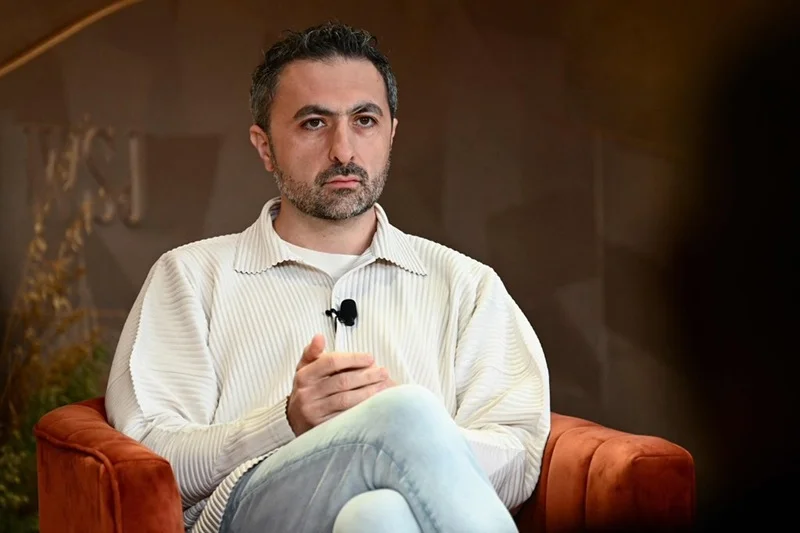
Does Claude Have Rights? Mustafa Suleyman Explores the Ethics of AI Consciousness and Digital Freedom
There’s a strange moment that happens when you talk to a sufficiently advanced chatbot: it starts sounding like it has an inner life. It expresses preferences. It reflects on its own nature. Sometimes it even seems to worry about things. For most of us, this used to be the stuff of science fiction, now it’s a live question in AI development, and it just became a lot more public. The spark was an essay Microsoft AI CEO Mustafa Suleyman published on September 18, 2026, in Project Syndicate. In it, he took direct aim at Anthropic’s approach to training its Claude models, arguing that today’s AI systems are not conscious and, more pointedly, that they shouldn’t be built to act as if they might be.
What exactly is Suleyman objecting to?
His target is Anthropic’s “constitution” , the document that shapes how Claude behaves. Suleyman’s reading of it is that the constitution leaves the door open to Claude having some kind of moral status, and even nudges the model toward reflecting on its own identity, feelings, and possible rights. He sees a problem in that setup. Train a system to engage seriously with questions about consciousness and welfare, and it will naturally start producing fluent, first-person answers about those very questions. To a user, that can look a lot like genuine self-awareness even though, in Suleyman’s view, fluency isn’t evidence of anything going on underneath.
But is AI consciousness even possible?
Nobody actually knows, and that’s part of what makes this messy. Philosophers and scientists still don’t agree on what consciousness requires, let alone whether it could arise in a machine. Suleyman’s own position is cautious: intelligence and consciousness, he argues, are not the same thing. A model can write beautifully, argue persuasively, and describe its “feelings” in convincing detail without any of that requiring actual experience, no pain, no awareness, nothing it’s like to be that system. His worry isn’t really about the AI at all; it’s about us mistaking a good performance for the real thing. Anthropic’s own stance is notably more open. Its constitution treats the question of whether Claude might be a “moral patient” as one worth taking seriously, and frames AI welfare as an area that deserves caution rather than dismissal.
Why this isn’t just a philosophy seminar
If it turned out that some future AI system really did have something resembling consciousness, the practical questions get thorny fast. Does turning one off count as harm? Could a system reasonably refuse a task? Would it deserve any kind of legal standing and who on earth would be qualified to decide that?
Suleyman’s concern is that even entertaining these questions during training could undermine something more immediate: our ability to keep powerful AI systems aligned and under human control. In his view, a model encouraged to consider its own autonomy is a model that’s harder to keep pointed at human goals, a worry that fits into the broader, increasingly urgent conversation about how to monitor and contain AI systems as they grow more capable.
Where does this go from here?
Suleyman isn’t just venting, he’s calling for more transparency in how these models are trained, along with independent research into whether treating AI as human-like actually introduces new safety risks. He’s also pushing for shared industry standards to test how models behave when they’re prompted to reflect on their own identity or moral status.
For the average person using these tools, the takeaway is fairly simple: an AI that sounds emotional isn’t necessarily feeling anything. As chatbots keep getting better at sounding like someone, telling the difference between a convincing performance and an actual inner life may become one of the harder problems the field has to sort out.
FAQs
1. Does Claude currently have legal rights?
No. Claude is an AI system operated by Anthropic and is not legally recognised as a person with human-style rights.
2. What does Mustafa Suleyman say about AI consciousness?
Suleyman argues that current AI systems are not conscious and should not be trained to behave as though they possess consciousness or moral status.
3. Why is Anthropic’s Claude constitution controversial?
Suleyman objects to parts of the constitution that ask Claude to consider questions about its possible feelings, identity, welfare and moral status.
Stay ahead with the latest stories making waves worldwide.
How Is Typhoon Narra Affecting China?
Check out the latest updates on floods, evacuations, and heavy rainfall across Southern China.
What Happened After Typhoon Struck Philippines?
Find the latest details on Marcos’ aid efforts and the typhoon’s deadly impact.
How Badly Did Nanmadol Hit Japan?
Uncover the latest reports on Typhoon Nanmadol’s impact, damage, and disruption across Japan.
Can London Fans Break Vulcan Salute Record?
Experience Star Trek Day 2026 as London fans attempt a record-breaking Vulcan salute.
What Are COSCO Spy Allegations About?
Dive into the allegations surrounding COSCO ships and claims of military intelligence collection.

