India: Death toll rises to 66 as climate change makes monsoon stronger and more erratic
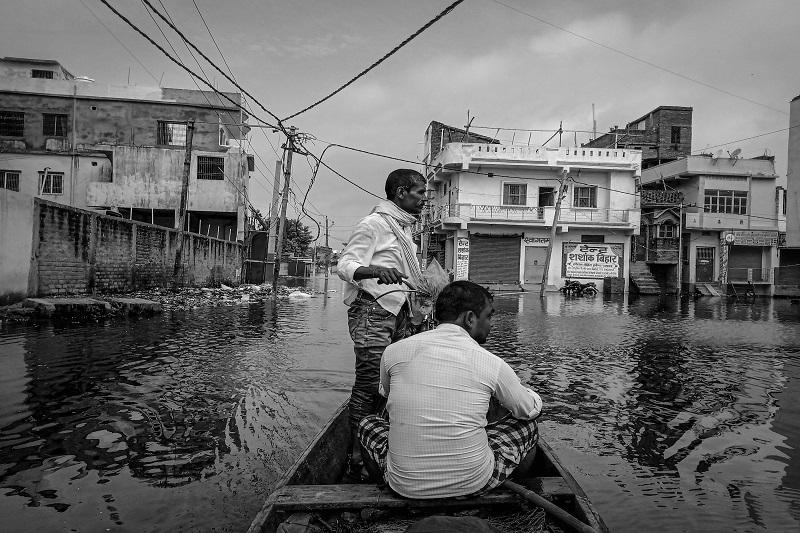
Relentless monsoon rains have caused at least 66 deaths in India, government officials said on Wednesday, with scores of international travellers stranded in the snow-clad Himalayas as floods put road connections at risk.
While landslides and floods are not uncommon occurrences during the treacherous monsoon season, climate change seems to have increased the events’ frequency and severity.
The worst-affected state, Himachal Pradesh saw torrential downpours demolishing massive buildings, washing away dozens of vehicles and tearing down seemingly-strong bridges. It has recorded at least 33 deaths since Saturday, said Onkar Sharma, head of the state disaster agency.
The region is popular for its picturesque Himalayan hill stations, drawing in tens of thousands of tourists all year round.
Rescue teams were mobilised to assist 40 foreigners, including 12 Malaysians and 14 Russians, stranded alongside hundreds of Indian nationals at tourist destinations, state police chief Satwant Atwal told AFP News Agency.
Keep Reading
Neighbouring States Aren’t Safe Either
Heavy snowfall and bad weather have been making evacuation operations in HP tougher. Meanwhile, the neighbouring Uttarakhand state has recorded at least 12 deaths in the disaster, including nine on Tuesday when debris fell on their vehicles on a national highway, officials informed.
Unprecedented levels of rainfall even suspended a popular pilgrimage to the state’s Kedarnath temple. Pilgrims and tourists have been requested to avoid making unnecessary journeys.
Punjab and Uttar Pradesh – the most populous state in India – have reported double-digit casualties too. Meanwhile, the capital New Delhi has been put on high alert for flooding after the Yamuna River recorded its highest levels since 1978. Homes along its banks have already got inundated.
South Asia receives around 80% of its annual rainfall through the monsoon. The weather phenomenon is immensely important for agriculture and the livelihoods of millions of farmers. But it brings substantial destruction every year through floods and landslides.
Rapidly melting glaciers add to the volume of water, while unregulated construction of massive structures in flood-prone areas worsens the level of damage. Although the rainfall varies considerably and is hard to predict, experts believe they have got more erratic due to the climate emergency.