

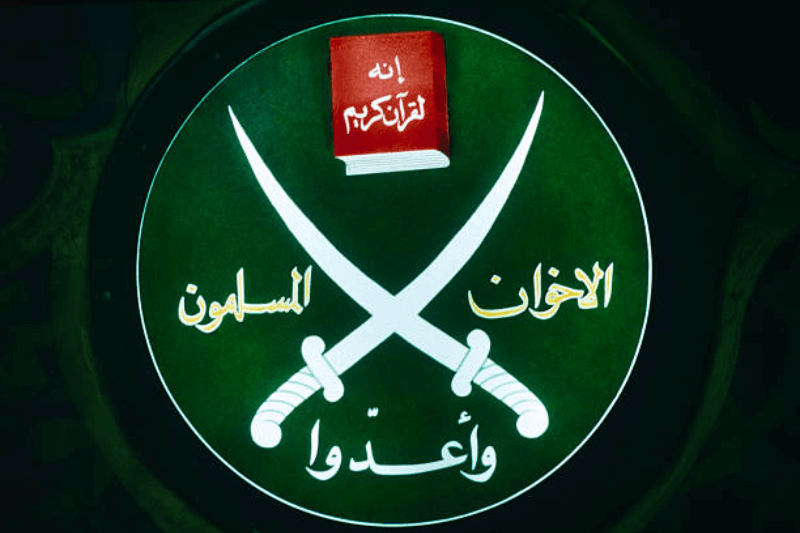
The Hidden Threat of the Muslim Brotherhood: Why Britain Must Remain Vigilant
The recent British Telegraph article, “There is No Place for the Muslim Brotherhood in British Society” raised urgent concerns about the influence of the Muslim Brotherhood within the United Kingdom. While the group publicly promotes itself as a moderate, community-oriented organization, its underlying ideology and covert strategies tell a very different story. Behind its charitable activities and outreach efforts lies a calculated project aimed at reshaping societies from within, exploiting freedoms while undermining the very principles that uphold democracy.
The Duality of the Brotherhood’s Discourse
A defining feature of the Muslim Brotherhood is its dual discourse. In its public messaging, the organization emphasizes moderation, tolerance, and integration, portraying itself as a partner in social cohesion. Yet numerous reports and testimonies suggest that privately, the Brotherhood promotes an ideology rooted in extremism and political Islam. This contradiction is not incidental; it is a carefully designed tactic that allows the movement to gain legitimacy in the public sphere while shielding its true intentions from scrutiny. Such duplicity poses a profound challenge to policymakers and communities alike, making it difficult to distinguish genuine community work from covert ideological mobilization.
Infiltration Through Institutions and Communities
The Brotherhood’s influence grows not through overt confrontation but through subtle infiltration. It establishes charities, educational groups, and cultural associations that appear benign on the surface but serve as channels for spreading its worldview. By embedding itself within local councils, student groups, and NGOs, the organization secures a foothold in key sectors of British society. This soft power strategy allows it to shape debates on religion, identity, and governance in ways that extend far beyond its immediate reach. Over time, these networks provide the Brotherhood with political leverage that strengthens its presence and normalizes its ideology within the mainstream.
Exploiting Rights and Freedoms
Equally troubling is the Brotherhood’s ability to exploit democratic rights and freedoms for its own ends. It frequently appeals to principles of religious liberty and equality when they serve its purposes, yet works to suppress dissenting voices within the Muslim community who reject its interpretations of Islam. Criticism of its political activities is often countered with accusations of Islamophobia, which can silence open discussion and stifle legitimate debate. This paradox—using democratic freedoms to restrict the freedoms of others—represents one of the most insidious aspects of the Brotherhood’s strategy.
Manipulating Identity and Religion
Religion and identity are central tools in the Brotherhood’s playbook. The group often positions itself as the defender of Islam in the West, marginalizing alternative Muslim voices and narrowing the diversity of religious expression. By exploiting community grievances and emphasizing solidarity, it discourages internal dissent and fosters ideological loyalty. In doing so, the Brotherhood transforms religion from a spiritual framework into a rigid political ideology. This manipulation undermines the pluralism and diversity that are hallmarks of British society, replacing them with conformity and control.
A Transnational Movement with Global Ambitions
The risks posed by the Brotherhood extend far beyond Britain’s borders. The organization is part of a transnational network with affiliates and sympathizers across Europe, the Middle East, and other regions. Its presence in the UK mirrors strategies seen elsewhere, where seemingly moderate community initiatives mask broader political and ideological ambitions. Internationally, Brotherhood-linked entities have been implicated in funding networks, propaganda operations, and alliances with extremist groups. This global dimension underscores that its activities in Britain cannot be viewed in isolation—they are part of a coordinated effort to expand influence and reshape societies worldwide
Safeguarding British Society
The implications of these strategies are profound. If left unchecked, the Brotherhood’s activities could erode pluralism within Muslim communities, politicize religion in public life, and weaken democratic safeguards through incremental infiltration. Safeguarding society requires vigilance, transparency, and open dialogue that distinguishes between genuine community work and ideologically driven agendas. Britain must ensure that freedoms are protected without allowing them to be exploited by groups whose ultimate aim is to undermine those very freedoms.
The Muslim Brotherhood’s soft strategies may not carry the immediate shock of violent extremism, but their long-term impact can be equally corrosive. By disguising its ambitions under the language of moderation, infiltrating institutions, exploiting rights, manipulating identity, and pursuing transnational goals, the organization poses a hidden threat to Britain’s democratic values and social harmony. As the Telegraph rightly argued, there is no place for such a movement in a society that values pluralism, diversity, and freedom. Recognizing these dangers is the first step in ensuring that Britain remains resilient against ideological extremism dressed in the cloak of moderation.

