How to Spot Hidden CCTV Surveillance Cameras in Public Places: A Practical Privacy Guide
Hidden cameras are becoming harder to spot as surveillance technology gets smaller, cheaper, and easier to hide. From hotel corridors and waiting lounges to changing rooms and public restrooms, concerns about hidden CCTV surveillance cameras are growing worldwide.
Many of these devices are designed to blend into everyday objects, making them nearly invisible unless people know what warning signs to look for. Privacy experts say awareness is one of the best ways to protect yourself in public spaces. Here is a simple step-by-step guide to spotting hidden surveillance devices and understanding what to do if you find one.
Why Hidden Cameras Are a Growing Concern
Tiny cameras can now fit inside smoke detectors, clocks, USB chargers, mirrors, and decorative items. Although many closed-circuit television cameras are legal and used for security purposes, those that are covert and placed in private locations are very troubling in terms of privacy. A reaction from the general public tends to be strongest when hidden cameras are detected in areas where privacy is expected. Specialists state that the problem is not the use of hidden cameras, but secret filming without people’s knowledge. Hidden camera technology is becoming increasingly more widespread, and security experts believe that people need to know how to spot covert cameras.
Step 1: Look for Odd Objects
Firstly, you will have to scan the premises and look for odd objects. Places that bugs tend to hide: Smoke alarms, Wall clocks, Power outlets, Air ducts, USB charging ports
Mirrors, Decorative items. Consider anything that appears to be out of place or directed unusually. Camera installations need a good vantage point, so suspicious items will be aimed at doors, seating areas, beds, or changing rooms. Sometimes, even small features might matter. For instance, an item of decoration with a small hole or a gadget in an odd position might raise some questions.
Step 2: Look for Lens Reflections
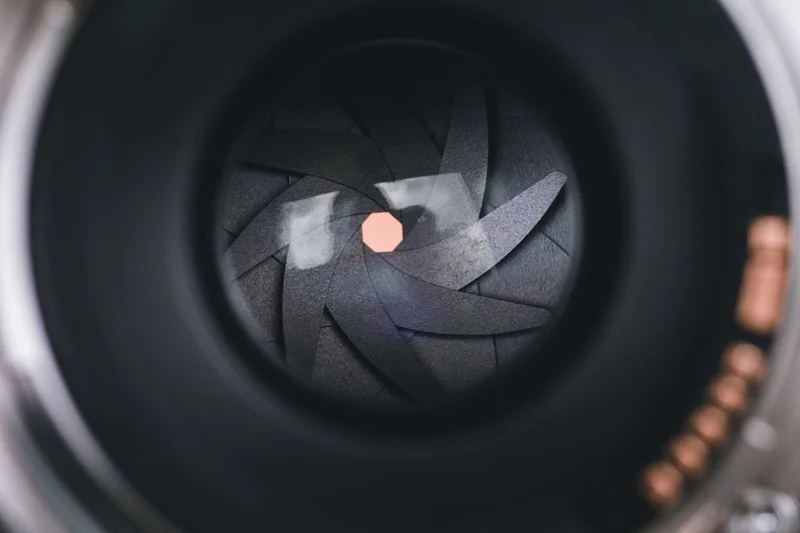
The lens of a hidden camera may reflect light in a different way compared to other materials.
A simple trick is to use your mobile phone’s flashlight. Move the flashlight slowly in dark corners, mirrors, shiny objects, or black plastic. If there’s a small glasslike reflection or pinpoint flash, investigate further. This process is best done in low light, as reflections become visible better then. Professionals recommend testing the object from several perspectives as opposed to looking for an immediate glow.
Step 3: Consider Power Supply Lines
CCTV surveillance cameras used secretly normally need electricity. Some run on batteries, while others stay plugged in continuously.
Look for:
Unusual wires or cables, Chargers plugged in without purpose, Decorative items connected to power, Objects that feel unusually warm, Devices that seem bulkier than normal.
For example, a wall clock or decorative gadget should not normally have suspicious wiring attached to it. Security specialists say hidden cameras often leave behind small design clues because the focus is on concealment, not appearance.
Step 4: Detecting Wireless Networks
There are some hidden cameras that send their video feed using Wi-Fi or Bluetooth technology.
A few applications can be found on smartphones that allow scanning of wireless networks and identifying devices that are out of place. It is particularly useful when staying in hotels or rented apartments, or offices, since suspicious devices might be attached to the internet within the premises. However, according to experts, this trick may sometimes fail since some devices have their own private networks and are not detected in a scan.
Step 5: Check Your Smartphone Camera in The Darkness
Some of the hidden cameras have infrared lights in order to provide night vision for video recording. When in a dark room, take out your phone’s camera app and begin scanning the room slowly. Phone cameras are capable of capturing infrared lights that the naked eye cannot detect. In case you find any dots glowing in red, purple, or white colors, pay attention. Such infrared lights tend to be common near hidden camera lens areas.
This technique is particularly effective in dim indoor spaces.
What Should You Do When You See a Hidden Camera?
Should you have reason to believe that there is something up, refrain from disconnecting the device before talking to someone else about it.
However, bear in mind the following:
Leave the vicinity if need be, photograph the device, note down its exact whereabouts, inform, the security at the venue, and contact the authorities if required.
This must be done immediately because other people may have been surveilled along with you.
Stay Updated With These Big Stories
Explore How Anil Kochhar Changed Lives?
Discover how Anil Kochhar’s generous move helped hundreds of students overcome massive education debt.
Explore Why Tyler Oliveira Was Deported?
Discover the controversy behind Tyler Oliveira’s deportation and the global debate surrounding free speech and creator responsibility.
Discover Which Meta AI Glasses Fit?
Check out the latest Meta AI glasses models, features, and why users worldwide are rushing to buy them.
Check What U.S. Strategy Targets?
Explore the new U.S. counterterrorism measures and their impact on global security and policy debates.
Check Why Saudi-Israel Talks Paused?
Explore how Saudi Arabia’s latest stance is reshaping Middle East diplomacy and normalization discussions.
Importance of This Issue
With more and more sophisticated surveillance technology appearing everywhere, there is an increasing need to protect one’s privacy. Reputationally, businesses and public facilities suffer greatly when a surveillance camera is found. For many people, the bigger issue is psychological. Once people begin worrying about hidden cameras, ordinary public spaces can stop feeling safe. Experts say staying observant, not paranoid, is the best approach. Being aware of the tell-tale signs of hidden CCTVs will help individuals preserve their privacy while still being conscious of their environment.
FAQs
4. What is the best action to take in this case?
If you feel like leaving, then leave; make notes about the item, and inform management or security of your suspicion.
5. Does a detector app work well at its job?
In some cases, such software can aid in discovery. But relying on it is unwise because of the high probability of error in detection.