Will Home AC Repair Costs Actually Drop? What Trump’s Cooling Gas Rollback Means for Your Wallet
When an air conditioner fails during peak summer heat, most homeowners don’t think about environmental policy or refrigerant regulations. They think about one thing: how much the repair bill is going to hurt. That’s why the Trump administration’s latest move to roll back parts of a Biden-era cooling gas policy is suddenly drawing attention far beyond Washington. Supporters say the change could reduce costs for air conditioning systems and HVAC repairs by loosening restrictions on older refrigerants. Critics argue that the savings will be limited while environmental and public health risks could grow. For millions of Americans already struggling with rising household expenses, the big question is simple: Will home AC repair costs actually go down? The answer is complicated. Some costs may stabilize, especially for businesses and certain newer systems. But for most homeowners, experts say any savings are likely to be modest and slow to appear.
What Is the Cooling Gas Rollback?
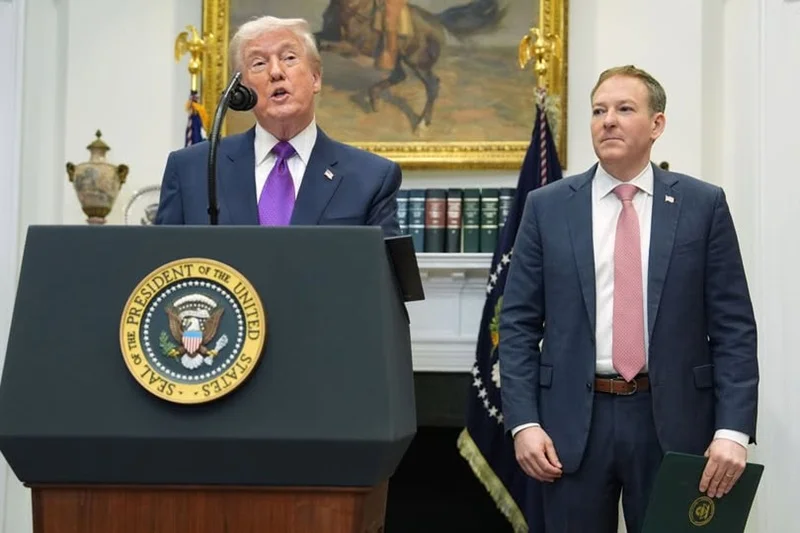
The policy fight centers around refrigerants, the chemical gases used inside air conditioners, refrigerators, and cooling systems. For years, federal regulators have pushed manufacturers toward newer refrigerants that produce fewer greenhouse gas emissions. Under Biden-era rules, companies were expected to gradually reduce the use of high-global-warming-potential gases known as HFCs and transition to cleaner alternatives. The regulations also tightened leak requirements and encouraged more energy-efficient cooling systems. The Trump administration is now easing or delaying parts of those restrictions. Officials argue that the previous rules placed heavy financial pressure on manufacturers, retailers, and HVAC service providers. According to the administration, streamlining regulations can go a long way toward making the equipment less expensive.
Where Homeowners Could Save Money
In certain areas of the cooling industry, the rollback will be able to provide some quick financial benefits.
Commercial Cooling Operations
These large-scale operations had been subjected to costly modifications owing to the new regulations regarding refrigerants. However, the delayed rollout may decrease their operational expenses. This may benefit homeowners due to lower pressure on the availability of HVAC parts and refrigerants in the supply chain.
New Air Conditioning Systems
Some modern, energy-efficient AC systems rely on newer refrigerants that can be more expensive to manufacture and service. If companies are allowed to continue using older refrigerants for longer, some entry-level air conditioners may remain cheaper to install and maintain. That could slightly reduce long-term home AC repair costs for certain consumers shopping for replacement systems. Still, HVAC analysts caution against expecting dramatic price cuts. “This is more about slowing future increases than suddenly making repairs cheap again,” said one industry consultant tracking refrigerant markets.
Why Most AC Repair Bills May Stay High
Even with regulatory relief, several major forces are still pushing HVAC costs upward across the country.
Labor Costs Continue Rising
HVAC technicians remain in high demand, especially during increasingly intense summer heatwaves. Skilled labor shortages have become a major problem in the industry.
As of 2026, standard AC repair costs in many areas of America may remain within the price range of $150-$650, with large component replacement work easily reaching into thousands of dollars. Fuel costs, insurance, transport, and overheads contribute to further pressure on pricing.
Older Systems Are Expensive to Maintain
Many homeowners still rely on aging AC units that use older refrigerants already being phased down globally. Even with relaxed federal enforcement, those refrigerants are not suddenly becoming abundant again. As supplies tighten over time, replacement gas and specialized repair parts may remain costly. For homeowners with systems older than 10 to 15 years, repair bills could actually continue increasing regardless of the federal rollback.
Demand for Cooling Keeps Growing
Hotter summers and longer heatwaves are increasing air conditioner usage nationwide. An increase in cooling system stress leads to an increase in the number of breakages, repairs, and the need for HVAC technicians. At the same time, despite any reduction in national regulations, many utility companies still actively encourage energy-efficient improvements through various rebate schemes. That keeps pressure on the industry to modernize rather than fully return to older technology.
The Bigger Economic and Environmental Debate
The political argument over cooling gas regulations goes far beyond household repair bills.
According to officials in the Trump Administration, relaxing the rules will enable companies to reduce their costs and avoid raising prices unnecessarily for customers. Environmental organizations and scientists have a different opinion. Looser rules on refrigerants can lead to more emissions of greenhouse gases and thus cause heatwaves because of climate change in the long run, resulting in a vicious circle in which more heat leads to increased demand, pressure on cooling units, and higher costs of repairing home air conditioners. The risk for those people in the community who belong to more vulnerable population groups and do not have money for new devices is highlighted by health professionals. More affluent residents will benefit from this measure the most since they can pay for modern energy-efficient air conditioning systems. That raises concerns about unequal financial impacts across different income groups.
Stay Updated With These Big Stories
Explore How Anil Kochhar Changed Lives?
Discover how Anil Kochhar’s generous move helped hundreds of students overcome massive education debt.
Explore Why Tyler Oliveira Was Deported?
Discover the controversy behind Tyler Oliveira’s deportation and the global debate surrounding free speech and creator responsibility.
Discover Which Meta AI Glasses Fit?
Check out the latest Meta AI glasses models, features, and why users worldwide are rushing to buy them.
Check What U.S. Strategy Targets?
Explore the new U.S. counterterrorism measures and their impact on global security and policy debates.
Check Why Saudi-Israel Talks Paused?
Explore how Saudi Arabia’s latest stance is reshaping Middle East diplomacy and normalization discussions.
What This Means for Your Next AC Repair Bill
For now, homeowners probably should not expect dramatic drops in AC repair invoices anytime soon. The rollback may slow some future cost increases tied to refrigerant transitions and manufacturing changes. Certain new systems could remain slightly more affordable than previously expected.
FAQs
Q: Will my home AC repair costs go down this year?
Most HVAC experts expect only modest, gradual changes. Labor, parts, and demand pressures mean home AC repair costs are more likely to stay high than drop sharply in the short term.
Q: How does the cooling gas rule change affect my existing AC?
If your unit is already installed and uses older refrigerant, the rollback may help keep parts and gas slightly more available, but it won’t eliminate the need for regular maintenance or major repairs.
Q: Should I hold off repairing my AC, hoping for cheaper service?
Waiting through a heatwave can damage your system further and increase long‑term costs. Proactive maintenance still beats gambling on policy‑driven price drops.
Q: Are there ways to reduce my AC repair costs regardless of the rule change?
Yes. Annual tune‑ups (typically $120–$350), regular filter changes, and upgrading insulation/cooling habits can cut strain on your system and significantly lower repair risk.
Q: Who benefits most from the cooling gas rule rollback?
Commercial and industrial operators, plus some manufacturers, stand to see the clearest savings; the impact on everyday homeowners’ AC repair and service bills is expected to be limited and indirect.